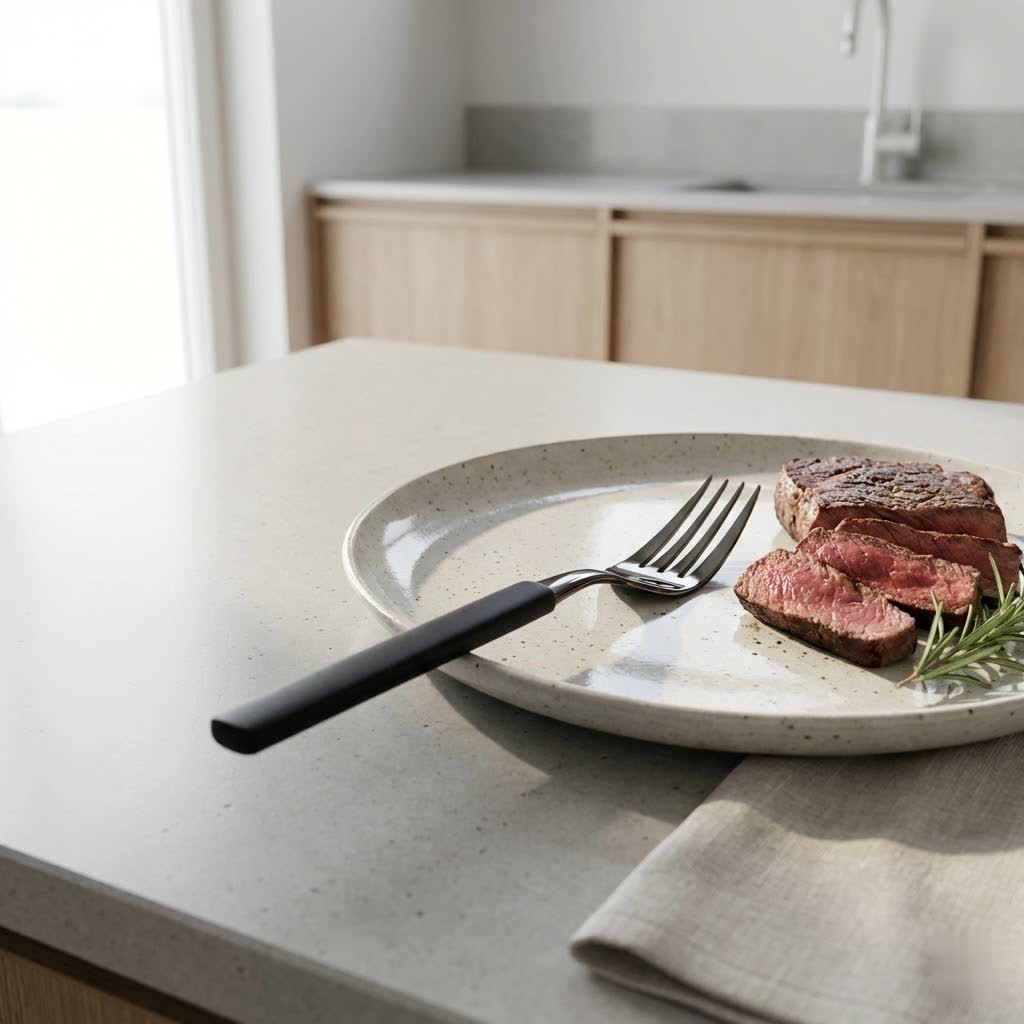
The experience of savoring a perfectly cooked steak is a symphony of flavors and textures, where every detail, down to your cutlery, plays a crucial role. While the steak knife often takes center stage, the humble steak fork is its indispensable partner, ensuring each succulent bite is delivered with ease and elegance. Yet, amidst the myriad of flatware designs, a subtle but significant distinction often sparks debate: the number of tines on your steak fork. Are three tines a nod to tradition and delicate precision, or does the modern four-tine design offer superior versatility and functionality? Understanding the nuances between these two popular styles can profoundly influence your dining pleasure, transforming a meal into an elevated culinary event.
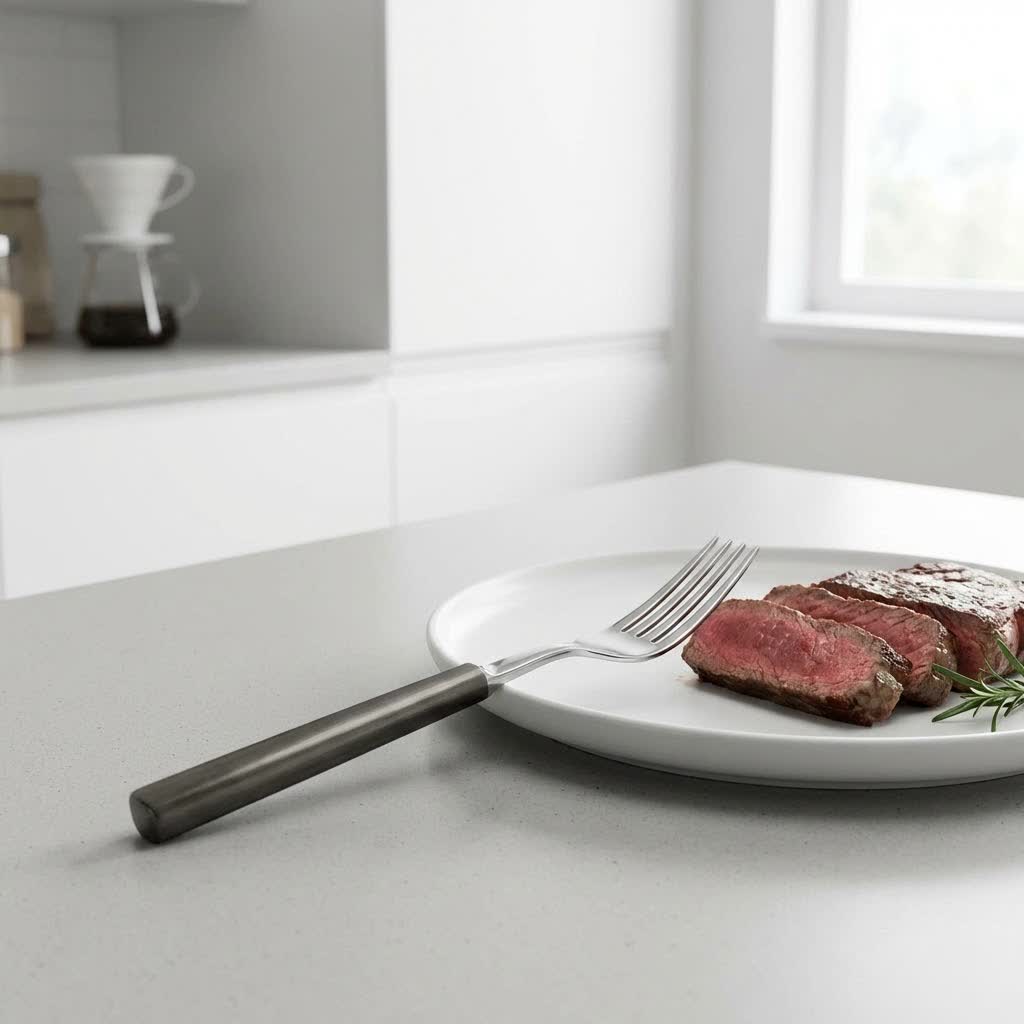
Understanding the Steak Fork: More Than Just Prongs
A steak fork is more than just a regular fork; it’s a robust utensil specifically designed to complement the hearty nature of meat. Unlike the lighter build of a salad or dessert fork, a quality steak fork offers the necessary strength and stability to firmly hold a thick cut of meat while you slice it with a knife. Its tines are typically sturdier and often more pointed than those found on an everyday dinner fork, ensuring a secure grip on even the most tender or resilient cuts without bending or slipping. Choosing a dedicated steak fork enhances your dining experience by providing comfortable handling and efficient functionality, making the art of eating steak as refined as its preparation.
The Evolution of Fork Tines: A Historical Perspective
The journey of the fork to our modern tables is a fascinating tale of practicality and changing dining customs. Early forks, dating back centuries, typically featured just two tines. These rudimentary tools were primarily used in the kitchen for holding large pieces of meat steady during carving, not for directly conveying food to the mouth. As dining became more refined, particularly in Europe, the fork evolved into a personal eating utensil.
Innovators began experimenting with more tines to improve the fork’s ability to not only pierce but also scoop food. Three-tine forks emerged as an early attempt to provide a wider surface, offering a more comfortable mouthful than their two-pronged predecessors. However, it was around the 18th century, notably influenced by figures like Gennaro Spadaccini in the court of Ferdinand IV of Bourbon, that the four-tine design gained prominence. This configuration was a game-changer, striking the perfect balance between piercing efficiency and the ability to collect a variety of foods, from solid meat to softer side dishes, making it the versatile standard we recognize today.
3-Tine Steak Forks: Elegance and Precision
The 3-tine steak fork, while less common for general steak dining today, holds a place for its distinct characteristics and specialized applications.
Design and Characteristics
Table is empty.Forks with three tines often present a more slender and delicate aesthetic. The tines might be spaced wider apart than on a four-tine fork, or in some specialized designs, one tine might be noticeably broader or slightly curved. Historically, many specialized forks, such as those for fish or pastries, featured three tines. This design can evoke a sense of traditional elegance or a bespoke dining experience.
Advantages
A primary advantage of the 3-tine fork is its exceptional ability to pierce. The fewer tines often translate to sharper points, making it excellent for cleanly spearing individual pieces of steak, especially those with a firm texture. Its lighter feel can also contribute to a more delicate and refined eating experience, and for certain specific tasks, such as separating delicate fish from bones (when designed as a fish fork), the spacing and shape can offer superior maneuverability.
Disadvantages
However, the specialized nature of the 3-tine fork comes with trade-offs. Its narrower profile and fewer tines make it less efficient for scooping softer or smaller accompanying foods, such as peas, mashed potatoes, or grains that often accompany a steak. It may also offer less overall stability when tackling larger or particularly tough cuts of steak, as the reduced surface area might not provide as secure a grip. For many, a 3-tine fork can feel more like a dedicated piercing tool rather than a versatile utensil for a complete meal.
4-Tine Steak Forks: The Modern Standard of Versatility
The 4-tine steak fork is arguably the most recognized and widely used design for good reason. It represents a functional sweet spot in cutlery design.
Design and Characteristics
The 4-tine steak fork typically features four evenly spaced, robust tines. This design provides a broader and more stable surface area compared to its three-tined counterpart. It’s the standard configuration for most dinner forks, implying its suitability for a wide range of main course dishes, including various cuts of steak. The tines are strong enough to penetrate meat but also offer enough surface to collect other food items.
Advantages
The biggest advantage of the 4-tine fork lies in its superior versatility, offering a balanced combination of piercing and scooping capabilities. This makes it ideal for the varied textures found in a typical steak dinner, from the tender meat itself to the accompanying vegetables, potatoes, or sauces. The increased number of tines provides greater stability and a more secure grip on both small and large pieces of meat, allowing for confident cutting and eating. It’s designed to provide a comfortable mouthful, effectively gathering diverse foods without hassle. This robust design makes it the modern go-to for hearty meals.
Disadvantages
While highly versatile, a 4-tine fork might occasionally feel slightly heavier or less delicate in hand compared to some minimalist 3-tine designs. However, for the primary purpose of eating steak, this minor difference is often negligible, as the added stability and utility usually outweigh any perceived loss of delicacy.
Choosing Your Perfect Steak Fork: A Comparative Guide
Deciding between a 3-tine and a 4-tine steak fork ultimately comes down to your personal dining preferences, the types of steaks you enjoy, and the overall aesthetic you prefer. Here’s a quick comparison to help you weigh your options:
| Feature | 3-Tine Steak Fork | 4-Tine Steak Fork |
|---|---|---|
| Primary Use | Piercing, delicate foods, specialized tasks | General main courses, balanced scooping & piercing |
| Stability | Good for piercing, less optimal for scooping/heavy cuts | Excellent for secure piercing & versatile scooping |
| Versatility | More specialized, less all-purpose | Highly versatile for a complete meal |
| Aesthetics | Often seen as traditional, elegant, or unique | Modern standard, widely accepted and functional |
| Food Handling | Best for single, firm pieces | Ideal for mixed plates with solids, soft foods, and sauces |
| Commonality | Less common for general steak dining | Most common choice for steak and dinner |
“While the visual appeal of a 3-tine fork can be striking, the modern 4-tine design has truly earned its place as the workhorse of the dinner table, especially when it comes to hearty meals like steak. Its ability to handle diverse textures with equal grace is simply unmatched for practical dining.”
Maintenance and Care for Your Steak Forks
Regardless of whether you choose a 3-tine or 4-tine steak fork, proper care is essential to maintain its performance and appearance. Most high-quality steak forks are crafted from durable materials like stainless steel, which offers excellent resistance to rust and corrosion. While many stainless steel forks are dishwasher-safe, hand washing is often recommended for preserving their finish and sharpness, especially for those with unique handles made of wood or other delicate materials. Always dry your forks thoroughly immediately after washing to prevent water spots and extend their lifespan. Store them safely in a cutlery drawer organizer to prevent scratches and dulling of the tines.
Conclusion
The choice between a 3-tine and a 4-tine steak fork reflects a blend of historical evolution, functional design, and personal preference. While 3-tine forks offer a touch of traditional elegance and precise piercing capabilities for specific foods, the 4-tine steak fork has emerged as the unequivocal standard for its exceptional versatility and robust performance. Its ability to effortlessly manage both the rich cuts of steak and the accompanying side dishes makes it an indispensable tool for any modern dining experience. Ultimately, the best steak fork for you is one that feels comfortable in your hand, complements your steak knife, and enhances your enjoyment of every savory bite.
Which tine count will elevate your next steak dinner, transforming it into an experience you truly savor?
Frequently Asked Questions
Are 3-tine forks outdated?
While 4-tine forks are the contemporary standard for dinnerware, 3-tine forks are not necessarily outdated. They are often found in specialized roles, such as fish forks or pastry forks, or in vintage flatware sets, appealing to those who appreciate traditional design or specific functionalities.
Can I use a regular dinner fork as a steak fork?
Yes, a regular 4-tine dinner fork can certainly be used as a steak fork. In fact, most modern dinner forks are designed to be sturdy and versatile enough to handle various main courses, including steak. Dedicated steak forks might have slightly thicker or sharper tines, but a good quality dinner fork will serve the purpose well.
What materials are best for steak forks?
Stainless steel is widely considered the best material for steak forks due to its durability, resistance to rust and corrosion, and ease of cleaning. High-quality stainless steel ensures the fork maintains its strength and aesthetic appeal even with frequent use.
Do steak forks need to be sharpened?
Unlike steak knives, Steak Forks do not need to be sharpened. Their tines are designed for piercing and holding food, not for cutting. Maintaining clean, straight, and unbroken tines is the primary concern for fork care.