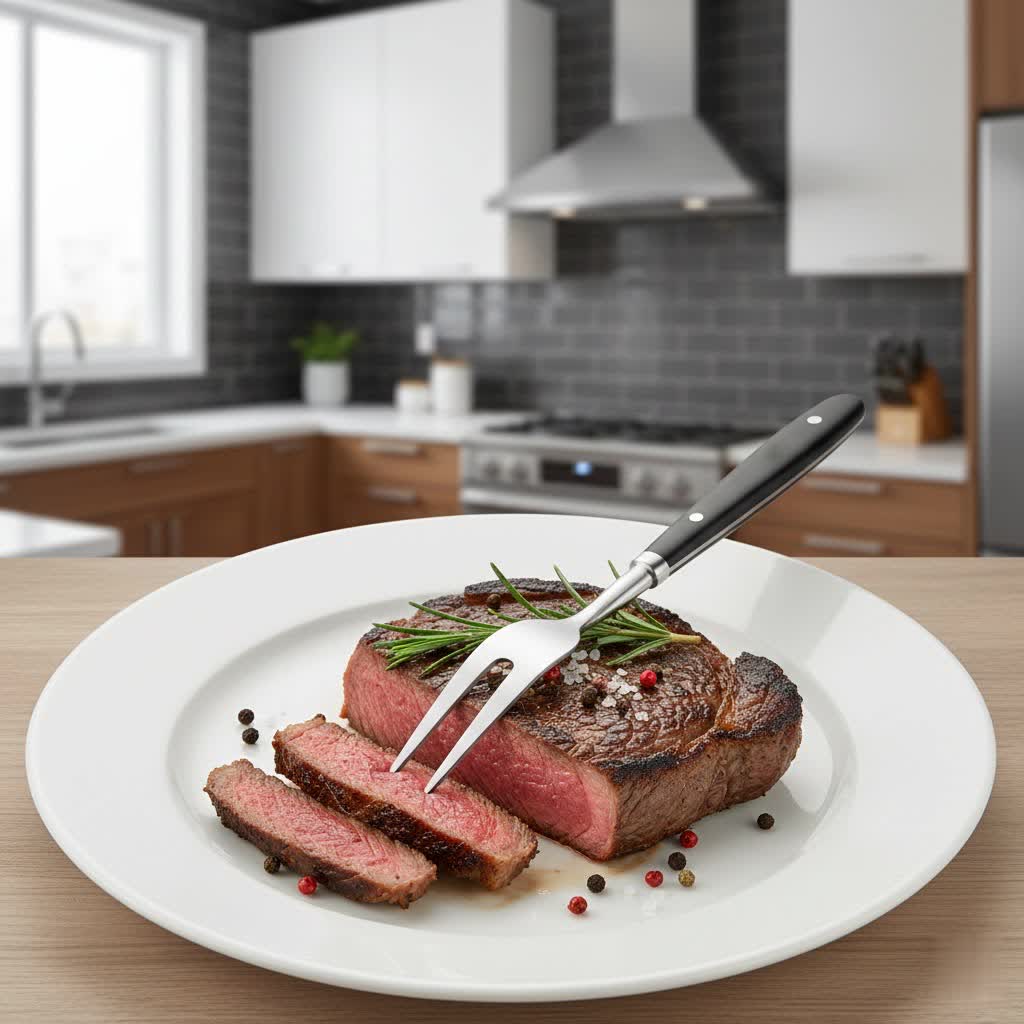
There’s an undeniable joy in savoring a perfectly grilled steak amidst the fresh air of the outdoors, whether it’s at a bustling campsite, a serene wilderness spot, or your own backyard barbecue. But the experience can quickly lose its luster if you’re fumbling with flimsy plastic or an inadequate regular fork. To truly elevate your outdoor dining, a specialized steak fork designed for the rigors of grilling and camping is not just a luxury, but an essential tool. This comprehensive guide will delve into everything you need to know, from the types and materials to design considerations and maintenance, ensuring you choose the perfect steak fork to complement your outdoor culinary adventures.
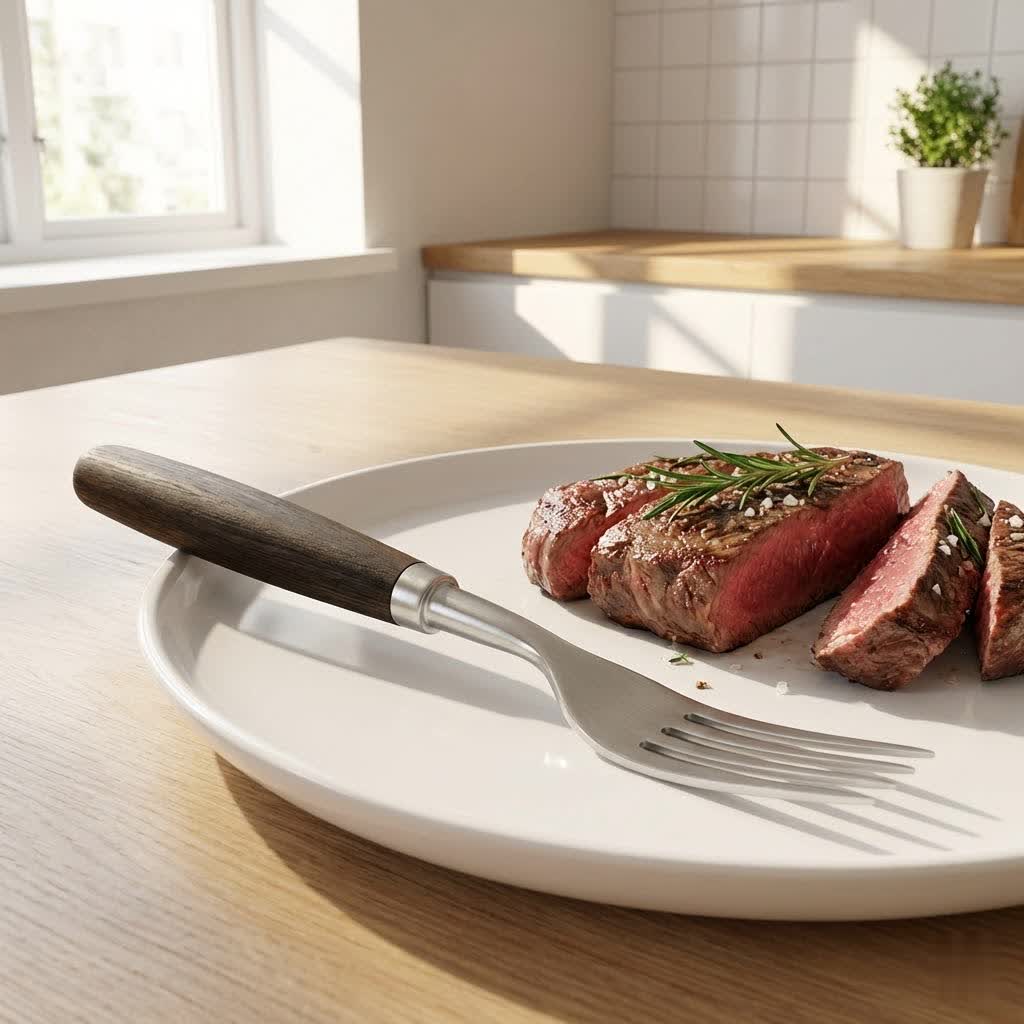
What is a Steak Fork? Why Do You Need One for Outdoor Dining?
A steak fork is a specialized utensil crafted to handle and consume cuts of meat, particularly steak, with ease and efficiency. Unlike a standard dinner fork, which typically has thinner, more flexible tines and a lighter construction, a steak fork is characterized by its robust build, often featuring thicker, sharper, and more rigid tines. This specialized design ensures that you can effortlessly pierce and secure even the thickest, toughest cuts of meat without bending or breaking the tines.
For outdoor dining, the benefits of a dedicated steak fork are magnified. The unpredictable environment of camping or grilling demands cutlery that can withstand more than just a casual meal. A proper outdoor steak fork provides the firm grip and stability needed to hold meat steady while cutting, preventing frustrating slips that could send your perfectly cooked steak tumbling onto uneven ground. Its durability means it can endure drops, resist corrosion from outdoor elements, and handle the vigorous cleaning often required after a hearty outdoor feast. Ultimately, using a specialized steak fork transforms your outdoor steak experience from a potential struggle into a truly refined and enjoyable culinary moment.
Popular Steak Fork Types for Outdoor Adventures
When choosing an outdoor steak fork, the material and design are paramount, directly influencing its durability, portability, and performance in various outdoor settings.
By Material:
- Stainless Steel Steak Forks: This is a classic and highly reliable choice for outdoor use. Stainless steel offers excellent durability, resisting rust and corrosion even when exposed to moisture and varied temperatures. It’s also relatively affordable and easy to clean, often being dishwasher safe. The main drawback might be its weight compared to more exotic materials, which could be a factor for ultralight backpackers.
- Titanium Steak Forks: For those prioritizing lightweight gear without compromising on strength, titanium is an exceptional option. Known for its incredible strength-to-weight ratio, titanium forks are virtually indestructible, corrosion-resistant, and won’t impart any metallic taste to your food. However, this premium material comes at a higher price point, making it an investment for serious outdoor enthusiasts.
- Durable Plastic/Nylon Forks: While less common for dedicated “steak” forks due to their inherent flexibility, high-quality, BPA-free nylon or composite plastic forks are exceedingly lightweight and affordable. They are ideal for minimalist packing or as emergency backups. However, they may struggle with thicker, tougher cuts of steak and are more prone to breaking under strain or losing integrity with heat compared to metal alternatives.
- Wood/Composite Handle Steak Forks: Many outdoor steak forks feature handles made from natural wood or robust wood composites. These offer a comfortable, ergonomic grip and a pleasing aesthetic that blends well with natural surroundings. However, wood handles require more care, as they can be susceptible to moisture damage, cracking, or warping if not properly dried and maintained. Composite handles offer a good balance of grip and durability with less maintenance.
|
Our Picks for the Best Steak fork in 2026
As an Amazon Associate I earn from qualifying purchases.
|
||
| Num | Product | Action |
|---|---|---|
| 1 | Kilajojo Chef Pro Stainless Steel Carving Fork 12 Inch |

|
| 2 | 2 Pcs Carving Fork for Meat 11,8 inch - Stainless Steel Meat Fork with Heat-Resistant Handle for Grilling, Cooking, Serving - Straight and Curved Carving Utensils with Classic Two-Prong BBQ Design |
|
| 3 | Anolon SureGrip Stainless Steel Meat Fork/Kitchen Tool, 13.25 Inch, Gray,46288 |
|
| 4 | Ponpon 2Pcs Meat Forks Stainless Steel Carving Fork with Wooden Handle Barbecue Fork for Cooking Kitchen (2) |
|
| 5 | 2 Pcs Carving Fork for Meat – 12 Inch Stainless Steel Meat Forks for Kitchen, Heat-Resistant Non-Slip Handles – Two-Prong Straight & Curved BBQ Fork for Slicing, Grilling & Serving |
|
| 6 | 2 Pieces Meat Fork Stainless Steel Carving Fork with Wood Handle Cooking BBQ Grill Steak Tool for Kitchen Barbecue Serving Cooking Grilling Roasting 10.5 Inches, Round Handle |
|
| 7 | Chef Craft Select Meat Cooking Fork, 13 inch, Stainless Steel |
|
| 8 | OXO Good Grips Stainless Steel Carving Fork, One size |
|
| 9 | Meat Cooking Fork Stainless Steel Fork - 10.8" Metal Serving Forks for Meat Carving Heavy Duty Two Prong Meat Fork for Grill Lifting Barbecue Forks |
|
| 10 | SUNRISE Stainless Steel Meat Fork 10.5" Fork |
|
By Design:
- Standard Steak Fork Design: These forks mirror their indoor counterparts, featuring strong, pointed tines and a comfortable handle. They are excellent for direct eating and provide the best control for slicing meat.
- Long-Handled Steak Forks: Designed to provide extra reach, these are particularly useful when eating from deep dehydrated meal pouches or keeping your hands further away from a hot grill. The added length can make them less compact, but offers practical advantages in specific outdoor scenarios.
- Folding/Collapsible Steak Forks: For ultimate portability and space-saving, some outdoor forks feature a folding or collapsible mechanism. While incredibly convenient for packing, it’s crucial to ensure the locking mechanism is robust to prevent accidental collapse during use, which could compromise stability.
- Multi-Fork/Spork Designs: Often seen in camping cutlery sets, these combine a fork with a spoon and sometimes a knife edge. While highly versatile and compact, the fork tines on sporks might be shorter or less specialized for firmly grasping steak compared to a dedicated steak fork. However, robust multi-forks like the Gerber Devour offer sturdy tines and additional functionalities like a bottle opener or kickstand.
Essential Features to Look for in Outdoor Steak Forks
Selecting the ideal steak fork for outdoor grilling and camping involves evaluating several key features that dictate its performance, durability, and user experience.
- Durability and Material Strength: Given the rough-and-tumble nature of outdoor activities, your steak fork must be tough. Look for high-carbon stainless steel or aerospace-grade titanium, as these materials resist bending, breaking, and general wear and tear from drops or being jostled in a pack.
- Tine Design: The tines are the heart of a steak fork. They should be sharp enough to pierce meat effortlessly, sturdy enough not to bend under pressure, and adequately spaced to hold the steak firmly while you cut. Avoid overly flexible tines, which can be frustrating when dealing with thicker cuts.
- Handle Comfort and Grip: An ergonomic handle is crucial for comfort, especially during extended meals or when handling tougher meat. Look for non-slip textures or materials that provide a secure grip, even if your hands are wet or greasy. Materials like robust plastic, textured metal, or certain wood composites offer good heat resistance and a comfortable hold.
- Portability and Packability: For camping and backpacking, weight and size matter. Opt for a lightweight fork that is either compact, foldable, or comes with a protective carrying case. A case helps keep the fork clean and prevents it from damaging other gear or getting lost.
- Ease of Cleaning: Outdoor eating often means limited access to elaborate washing facilities. A steak fork with smooth surfaces, free from intricate crevices, will be much easier to clean thoroughly with minimal water and effort. Stainless steel and titanium are generally very easy to clean and can often be sterilized with hot water.
- Heat Resistance: If you plan on using your fork close to a grill or campfire, ensure the handle material is heat-resistant. Metal forks are generally safe, but plastic or wood components can melt or scorch if exposed to direct high heat.
Choosing the Perfect Outdoor Steak Fork: A Buyer’s Guide
Finding the right outdoor steak fork means aligning its features with your specific needs and typical outdoor activities.
Assess Your Outdoor Activities:
Your primary use case will heavily influence your choice.
- Backpacking: Prioritize ultralight and compact designs, often favoring titanium or robust folding multi-forks. Every gram counts here.
- Car Camping/RV: You have more leeway with weight, so focus on durability, comfort, and ease of cleaning. Stainless steel options or full-sized, sturdy forks are excellent choices.
- Backyard Grilling: While outdoors, you’re not constrained by pack space. You can choose forks that offer a premium feel, aesthetic appeal, and maximum comfort for frequent use, such as those with ergonomic wood or composite handles.
Consider Your Steak Preferences:
Think about the types of steak you typically enjoy outdoors. Thicker, more substantial cuts like a T-bone or porterhouse will demand a fork with exceptionally strong, rigid tines that won’t flex or break. If you mostly stick to thinner cuts or other grilled meats, a slightly less robust but still durable fork might suffice. Also consider the frequency of use; a heavy user might benefit from investing in a more premium, long-lasting option.
Budget vs. Investment:
Outdoor steak forks range in price.
- Affordable Options: Typically made from stainless steel or durable plastics, these are great for casual users or those on a tighter budget.
- Premium Options: Titanium or high-end stainless steel forks represent a greater investment but offer superior durability, lighter weight, and often a more refined user experience that pays off over many years of use.
Refer to Reviews and Expert Opinions:
Before making a final decision, take the time to read reviews from other outdoor enthusiasts. Look for real-world testing feedback on durability, comfort, and how well the fork handles various types of meat. Pay attention to common complaints, such as tines bending, handles becoming uncomfortable, or issues with cleaning. Expert reviews from outdoor gear publications can also offer valuable insights into performance and value.
“For outdoor cutlery, compromise is often a necessity, but never on the fork’s integrity. A steak fork’s tines must be unwavering; anything less risks frustration and, potentially, losing your meal to the elements.” – Alex Chen, Outdoor Culinary Gear Specialist
Care and Maintenance for Your Outdoor Steak Forks
Proper care and maintenance will significantly extend the lifespan and performance of your outdoor steak forks, ensuring they remain reliable companions on countless adventures.
- Prompt Cleaning: Always clean your steak fork as soon as possible after use. Food residue, especially from meat, can dry and become difficult to remove, potentially leading to odors or bacterial growth. For the best longevity, especially with wood or composite handles, hand washing with warm, soapy water is often recommended. Many stainless steel and titanium forks are dishwasher safe, but always check the manufacturer’s instructions.
- Thorough Drying: After washing, thoroughly dry your fork before storing it. Even “rust-resistant” stainless steel can develop rust spots if left wet for prolonged periods, especially in humid outdoor conditions. For wood handles, complete drying is critical to prevent warping, cracking, or mold growth.
- Safe Storage: Store your outdoor steak fork in a protective case, sleeve, or dedicated cutlery roll. This prevents the tines from getting bent or damaged while in transit, keeps the fork clean, and protects other gear in your pack from scratches. If part of a set, ensure all pieces are securely nested or packed.
- Regular Inspection: Periodically inspect your steak forks for any signs of damage, such as bent tines, loose handles, or corrosion. Addressing minor issues promptly can prevent them from worsening and prolong the life of your utensil.
Conclusion
Choosing the right steak fork for your outdoor grilling and camping adventures is a simple yet impactful decision that significantly enhances your dining experience. By understanding the differences in materials, designs, and essential features, you can select a utensil that is not only durable and portable but also provides the comfort and functionality needed to savor every bite of your outdoor steak. Investing in a high-quality outdoor steak fork means investing in countless memorable meals under the open sky. So, as you prepare for your next outdoor culinary escapade, remember that the perfect fork is just as crucial as the perfect cut of meat.
What’s your go-to outdoor steak dish, and what kind of fork do you rely on to enjoy it?
Frequently Asked Questions
Are steak forks necessary for camping, or can I use a regular fork?
While you can use a regular fork for camping, a dedicated outdoor steak fork offers significant advantages. Its stronger, sharper tines and more robust construction make piercing and holding steak much easier and more secure, preventing frustration and potential food loss on uneven outdoor surfaces. They are also designed to be more durable and withstand the rigors of outdoor use.
What’s the best material for an outdoor steak fork?
For the best balance of durability, performance, and weight, stainless steel is an excellent, affordable choice for outdoor steak forks. If weight is a critical factor for backpacking and budget isn’t an issue, titanium offers superior strength and an ultralight profile. Avoid flimsy plastics for serious steak eating.
Can I put my outdoor steak fork in the dishwasher?
The dishwasher compatibility of your outdoor steak fork depends on its material and construction. Stainless steel and titanium forks are generally dishwasher safe. However, forks with wood or composite handles, or those with delicate folding mechanisms, often require hand washing to prevent damage, warping, or compromising their integrity over time. Always check the manufacturer’s care instructions.
How do I prevent my steak fork from getting lost or damaged while camping?
To prevent loss or damage, always store your outdoor steak fork in a dedicated carrying case, utensil roll, or protective sleeve when not in use. Many outdoor cutlery sets come with such storage solutions. Securing it within your cooking kit or backpack ensures it stays clean, protected, and easily locatable for your next meal.