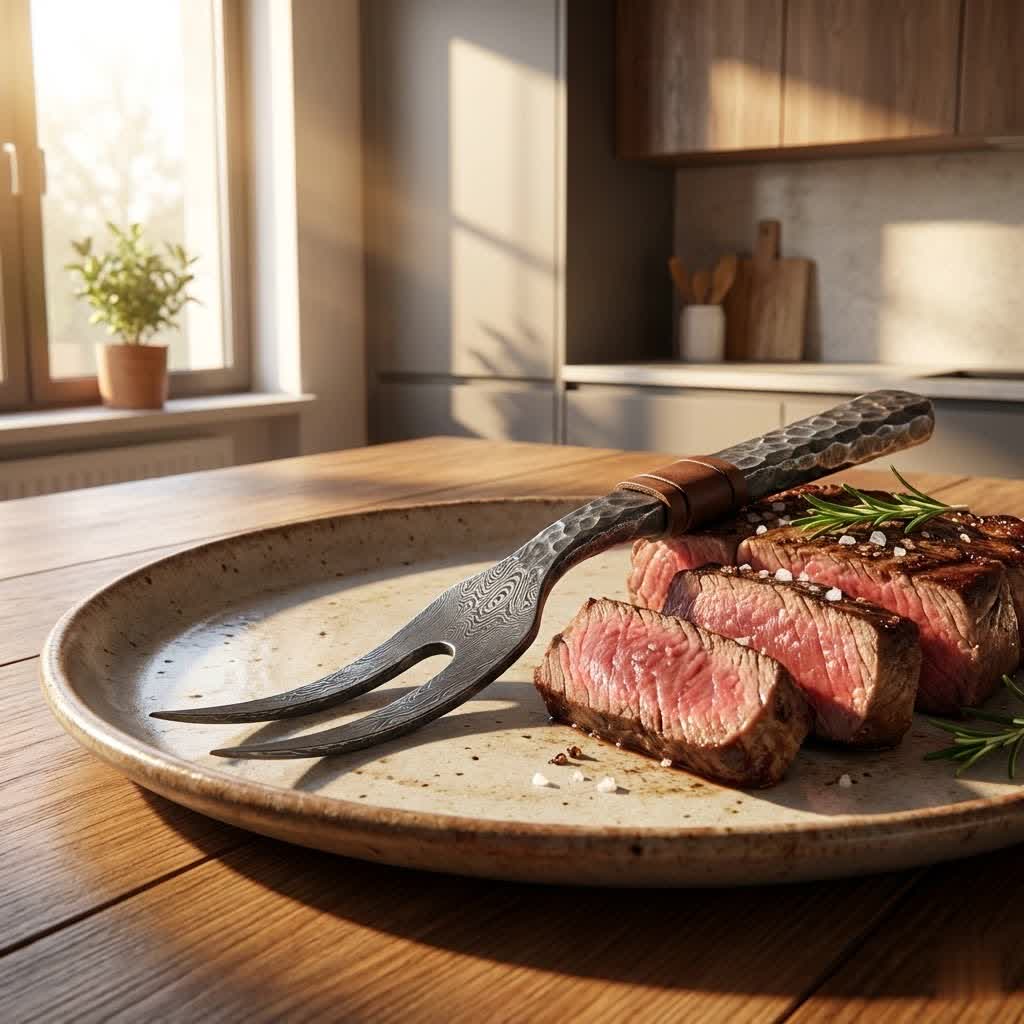
For any true connoisseur of steak, the quality of your cutlery can elevate a meal from merely good to truly unforgettable. Beyond a sharp knife, a robust and well-designed steak fork is an indispensable tool, offering the stability and control needed to savor every succulent bite. If you’ve been on the hunt for a piece of flatware that combines formidable construction with ergonomic design, the Dalstrong Gladiator Series fork promises to be a heavyweight contender in your dining arsenal.
What is a Steak Fork? Why Do You Need One?
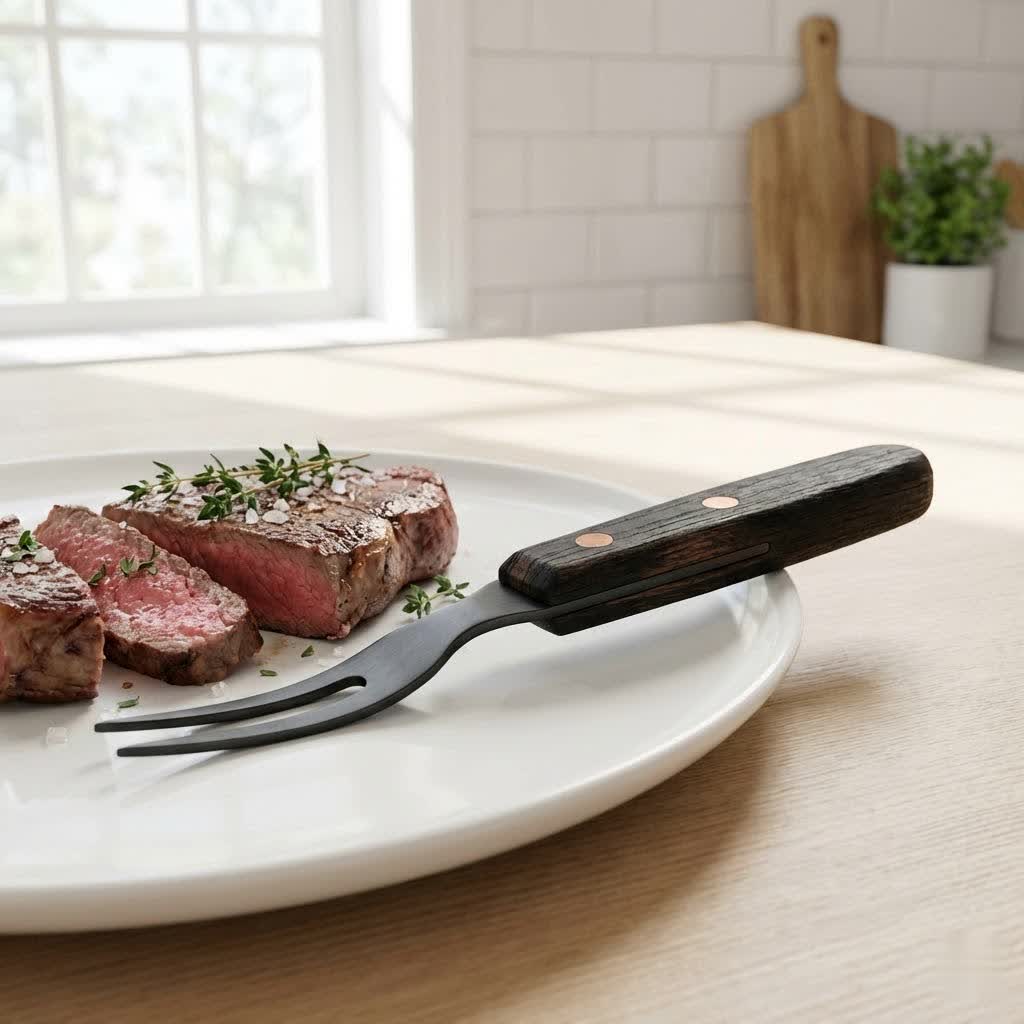
A steak fork, at its core, is a specialized utensil designed to complement the experience of eating tougher cuts of meat. Unlike a standard dinner fork, which is often broader with shorter, blunter tines suitable for a variety of foods, a steak fork typically features longer, sharper, and often more robust tines. This design allows for a firm, secure grip on the meat, preventing slippage as you apply pressure with your knife.
The necessity of a dedicated steak fork becomes evident the moment you attempt to tackle a perfectly seared ribeye or a thick sirloin with an ordinary dinner fork. Standard forks can struggle to pierce and hold the meat firmly, leading to frustration and an unnecessarily messy experience. A specialized steak fork ensures that each piece of meat is held steadfast, allowing your steak knife to glide through effortlessly and preserving the integrity and juices of the cut. This dedicated approach not only enhances functionality but also adds a touch of refinement to your dining table, signifying attention to detail and a respect for the culinary experience.
Popular Steak Fork Types on the Market
Steak forks, while seemingly straightforward, come in various forms, primarily differing in their material and handle design. Understanding these variations helps appreciate what makes a particular fork stand out.
By Material
- Stainless Steel Steak Forks: These are by far the most common, and for good reason. High-quality stainless steel, often marked as 18/10 (18% chromium, 10% nickel), offers excellent corrosion resistance, durability, and a polished appearance. The Dalstrong Gladiator Series fork, consistent with the brand’s knives, utilizes precision-forged high-carbon German stainless steel, specifically X50CrMoV14. This material is renowned for its strength, stain resistance, and ease of maintenance, ensuring the fork can withstand rigorous use without bending or corroding. Such steel is precisely tempered, contributing to the fork’s overall durability and resilience, making it a reliable choice for heavy-duty use.
- Gold/Silver-Plated Steak Forks: Often chosen for their aesthetic appeal and perceived luxury, plated forks add a touch of elegance to formal dining. However, they can be more susceptible to scratching, tarnishing, and wear over time, especially with frequent use and harsh cleaning. Their primary advantage lies in their ornate designs and ability to complement lavish table settings, though their durability for everyday, “heavy” use is often less than solid stainless steel.
- Wood Handle Steak Forks: These forks offer a warm, rustic, or classic aesthetic. Handles can be crafted from various woods like pakkawood, rosewood, or teak. While visually appealing and comfortable to grip, wooden handles require more delicate care to prevent drying, cracking, or warping, and are generally not dishwasher safe. The Dalstrong Gladiator Series, while known for its G10 Garolite or ABS polymer handles on its knives, often presents a modern, robust handle that stands up to environmental factors better than traditional wood.
|
Our Picks for the Best Steak fork in 2026
As an Amazon Associate I earn from qualifying purchases.
|
||
| Num | Product | Action |
|---|---|---|
| 1 | Chef Craft Select Meat Cooking Fork, 13 inch, Stainless Steel |

|
| 2 | 2 Pcs Carving Fork for Meat – 12 Inch Stainless Steel Meat Forks for Kitchen, Heat-Resistant Non-Slip Handles – Two-Prong Straight & Curved BBQ Fork for Slicing, Grilling & Serving |
|
| 3 | SUNRISE Stainless Steel Meat Fork 10.5" Fork |
|
| 4 | Meat Cooking Fork Stainless Steel Fork - 10.8" Metal Serving Forks for Meat Carving Heavy Duty Two Prong Meat Fork for Grill Lifting Barbecue Forks |
|
| 5 | Anolon SureGrip Stainless Steel Meat Fork/Kitchen Tool, 13.25 Inch, Gray,46288 |
|
| 6 | 2 Pcs Carving Fork for Meat 11,8 inch - Stainless Steel Meat Fork with Heat-Resistant Handle for Grilling, Cooking, Serving - Straight and Curved Carving Utensils with Classic Two-Prong BBQ Design |
|
| 7 | 2 Pieces Meat Fork Stainless Steel Carving Fork with Wood Handle Cooking BBQ Grill Steak Tool for Kitchen Barbecue Serving Cooking Grilling Roasting 10.5 Inches, Round Handle |
|
| 8 | Ponpon 2Pcs Meat Forks Stainless Steel Carving Fork with Wooden Handle Barbecue Fork for Cooking Kitchen (2) |
|
| 9 | OXO Good Grips Stainless Steel Carving Fork, One size |
|
| 10 | Kilajojo Chef Pro Stainless Steel Carving Fork 12 Inch |
|
By Design
- Standard Pointed Tines: Most steak forks feature two or three sharply pointed tines. These tines are designed to penetrate even thick, tough cuts of meat with minimal effort, providing a secure hold for carving and eating. The length and sharpness are key to their effectiveness.
- Full Tang Construction: This design principle, critical for high-quality knives, is equally beneficial for forks, particularly for “heavy” use. A full tang means the metal of the fork extends in one solid piece from the tip of the tines all the way to the end of the handle. This construction maximizes strength, durability, and balance, preventing the handle from loosening or breaking over time. The Dalstrong Gladiator Series fork boasts a full-tang design, a hallmark of superior craftsmanship and robustness, ensuring it can withstand significant leverage.
- Ergonomic Handles: The handle design significantly impacts comfort and control. Features like a comfortable grip, balanced weight, and triple-riveted construction contribute to a superior user experience. The Gladiator Series handles, typically made from premium G10 Garolite or impact-resistant ABS polymer, are renowned for their strength, secure grip, and ergonomic shape, engineered for maximum comfort and maneuverability. These handles are designed to withstand extreme temperatures, impact, and moisture, making them nearly indestructible.
Comparing the Dalstrong Gladiator Series Fork with Other Steak Forks
While “Dalstrong Gladiator Series Fork Heavy” is not a distinct product name, the characteristics of a Dalstrong Gladiator Series carving or steak fork can be inferred from the brand’s overall Gladiator Series philosophy and components found in knife and carving sets. We compare its expected attributes to typical market offerings.
| Feature / Type | Dalstrong Gladiator Series Fork (Inferred) | Standard Stainless Steel Fork | Premium Designer Fork (e.g., Plated/Exotic Wood) |
|---|---|---|---|
| Material | High-carbon German Stainless Steel (X50CrMoV14) | Standard 18/0 or 18/10 Stainless Steel | High-grade Stainless Steel, Gold/Silver Plating, or exotic wood handle |
| Construction | Full-tang, precision forged | Stamped or basic forged, partial tang possible | Often forged, could be full or partial tang depending on design |
| Handle Material | G10 Garolite or ABS Polymer, triple-riveted | Hollow or solid stainless steel, plastic | Exotic wood, mother-of-pearl, or elaborate metal |
| Tines | Long, sharp, sturdy (2-3 tines typical) | Standard length, moderate sharpness | Stylized, may prioritize aesthetics over pure function |
| Durability | Exceptional: corrosion, stain, impact resistant | Good for everyday use, can bend/scratch | Varies; plated can wear, wood needs careful maintenance |
| Comfort/Balance | Excellent: ergonomic, weighted for balance | Moderate, often lighter | Can be good, but sometimes handle heavy/unbalanced |
| Aesthetics | Bold, utilitarian, professional, modern | Functional, simple | Elegant, decorative, luxurious |
| Typical Price Range | Mid-High ($30-$60+ per fork or in set) | Low-Mid ($5-$20 per fork or in set) | High ($50-$200+ per fork or in set) |
| Pros | Unmatched strength, superior grip, longevity | Affordable, widely available, easy care | Visually stunning, enhances table setting |
| Cons | Higher initial investment, specific aesthetic | May lack rigidity for tough meats, less premium feel | Can be delicate, high maintenance, very expensive |
How to Choose the Right Steak Fork
Selecting the perfect steak fork involves considering your personal dining habits, aesthetic preferences, and practical needs.
Identify Your Usage Needs
Consider how often you eat steak and in what settings. Do you frequently host dinner parties where presentation is key, or are you primarily looking for a durable, reliable tool for regular family meals? If you’re tackling thick, well-done cuts, a fork with superior strength and penetration will be more valuable. For lighter, more delicate steaks, a slightly less robust but still sharp option might suffice. The Dalstrong Gladiator Series, designed for “heavy duty work,” excels for those who frequently enjoy substantial cuts and value uncompromising performance.
Pay Attention to Material
For longevity and performance, high-carbon stainless steel is generally the best choice. This material provides excellent resistance to rust, staining, and odors, and can maintain its structural integrity under pressure. Avoid forks made from softer metals that might bend or corrode over time. While plated options offer visual appeal, solid stainless steel, like that found in the Gladiator Series, offers superior everyday durability.
Consider the Design
- Tines: Look for tines that are adequately long and sharp enough to pierce and hold meat securely without tearing. Two or three sturdy tines are common and effective.
- Handle: An ergonomic handle that fits comfortably in your hand is crucial for reducing fatigue and enhancing control. Materials like G10 Garolite or ABS polymer, as seen in the Gladiator Series, offer a secure, non-slip grip and exceptional durability. Evaluate the balance of the fork; a well-balanced fork feels like an extension of your hand. A full-tang design contributes significantly to both balance and overall strength.
- Weight: A “heavy” fork, as implied by the keyword, often signifies quality and robustness. It provides a satisfying heft in hand, indicating solid construction and better leverage when piercing meat. The Dalstrong Gladiator Series is known for its substantial feel and perfect balance.
Consult User Reviews and Expert Opinions
Before making a final decision, always read reviews from other users and culinary experts. They can provide valuable insights into a fork’s real-world performance, durability, and comfort. Look for feedback on how the fork holds up to frequent washing, its ability to grip various meat types, and any issues with balance or handle integrity. Dalstrong products often receive high praise for their craftsmanship and performance, though some past knife reviews noted concerns with Pakkawood handle longevity in certain series. However, the use of G10 or ABS polymer in the Gladiator Series addresses these durability concerns effectively.
Tips for Cleaning and Maintaining Your Steak Fork
Proper care ensures your steak fork remains a reliable companion for years. High-quality cutlery, especially those with premium materials like the Dalstrong Gladiator Series, benefits from specific maintenance routines.
- Immediate Cleaning: After each use, wash your steak fork promptly. Allowing food residues, especially acidic ones, to dry on the surface can lead to staining or pitting, even on stainless steel.
- Hand Washing is Best: While many stainless steel forks are technically dishwasher safe, hand washing is almost always recommended for preserving the finish and edge (if applicable, though less critical for a fork) and extending the lifespan of the handle. Use warm, soapy water and a non-abrasive sponge or cloth.
- Avoid Harsh Detergents: Stay away from abrasive cleaners, steel wool, or harsh chemical detergents that can scratch the polished surface or damage the handle material.
- Thorough Drying: After washing, immediately dry your fork with a clean, soft towel. This prevents water spots and minimizes the risk of corrosion, particularly in areas where water might pool around rivets or handle joins.
- Proper Storage: Store your steak forks in a cutlery tray or block that prevents them from knocking against other utensils. This reduces the risk of scratches or damage to the tines. For full-tang forks like the Dalstrong Gladiator Series, a designated slot in a block or a felt-lined drawer can protect both the fork and other cutlery.
Conclusion
A high-quality steak fork is far more than a simple utensil; it is an essential partner to your steak knife, dramatically enhancing your dining pleasure. The Dalstrong Gladiator Series, while perhaps not featuring a standalone product named “Fork Heavy,” embodies a commitment to robust construction, ergonomic design, and premium materials, traits clearly evident in its carving forks and overall cutlery line. Crafted from high-carbon German stainless steel with a full tang and durable G10 or ABS polymer handles, a Dalstrong Gladiator Series fork offers exceptional strength, balance, and longevity, making it an ideal choice for any discerning steak lover. Investing in such a piece of cutlery means investing in a superior dining experience, ensuring that every bite is as effortless and enjoyable as possible.
What qualities do you value most in your ideal steak fork?
Frequently Asked Questions
What makes the Dalstrong Gladiator Series fork “heavy”?
The “heavy” aspect of the Dalstrong Gladiator Series fork stems from its robust construction, utilizing precision-forged high-carbon German stainless steel and a full-tang design. This ensures a substantial, well-balanced feel in hand, providing superior leverage and durability compared to lighter, more flimsy alternatives. The use of dense handle materials like G10 Garolite or ABS polymer further contributes to its solid, premium heft.
Can a Dalstrong Gladiator Series fork be used for other foods?
Absolutely. While optimally designed for securing and handling steaks and other hearty meats, the sturdy construction and sharp tines of a Dalstrong Gladiator Series fork make it versatile enough for a variety of culinary tasks. It can effectively manage larger vegetables, serve roast chicken, or even assist with plating delicate items where precision is needed, adapting well beyond just steak.