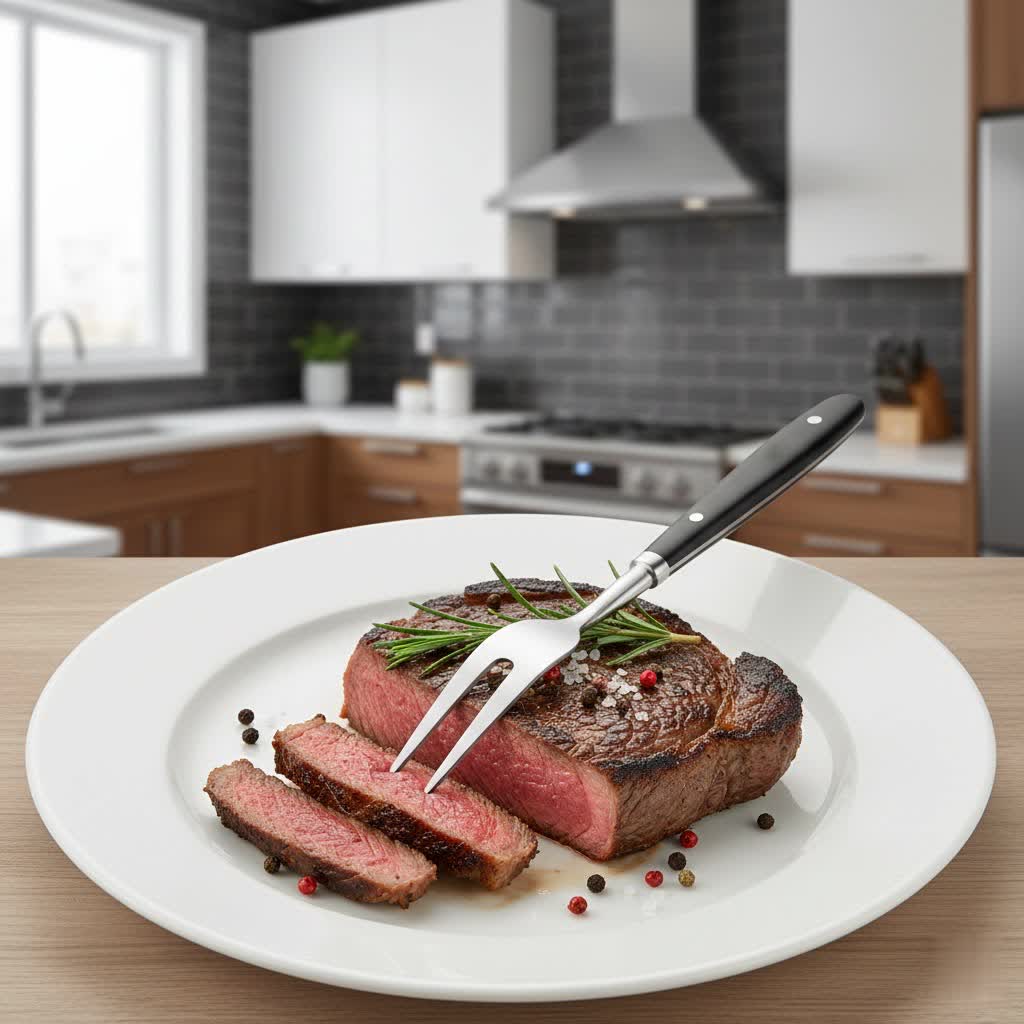
For those committed to a ketogenic or carnivore lifestyle, meat isn’t just a meal; it’s the foundation of your diet. This frequent and dedicated consumption of steak, roasts, and other hearty cuts demands more than just any ordinary utensil. The right steak fork can significantly enhance your dining experience, providing the precision, grip, and durability needed to truly savor every bite. This guide will delve into what makes an exceptional steak fork and how to select the perfect one to complement your meat-centric diet.
What is a Steak Fork and Why Do You Need One?
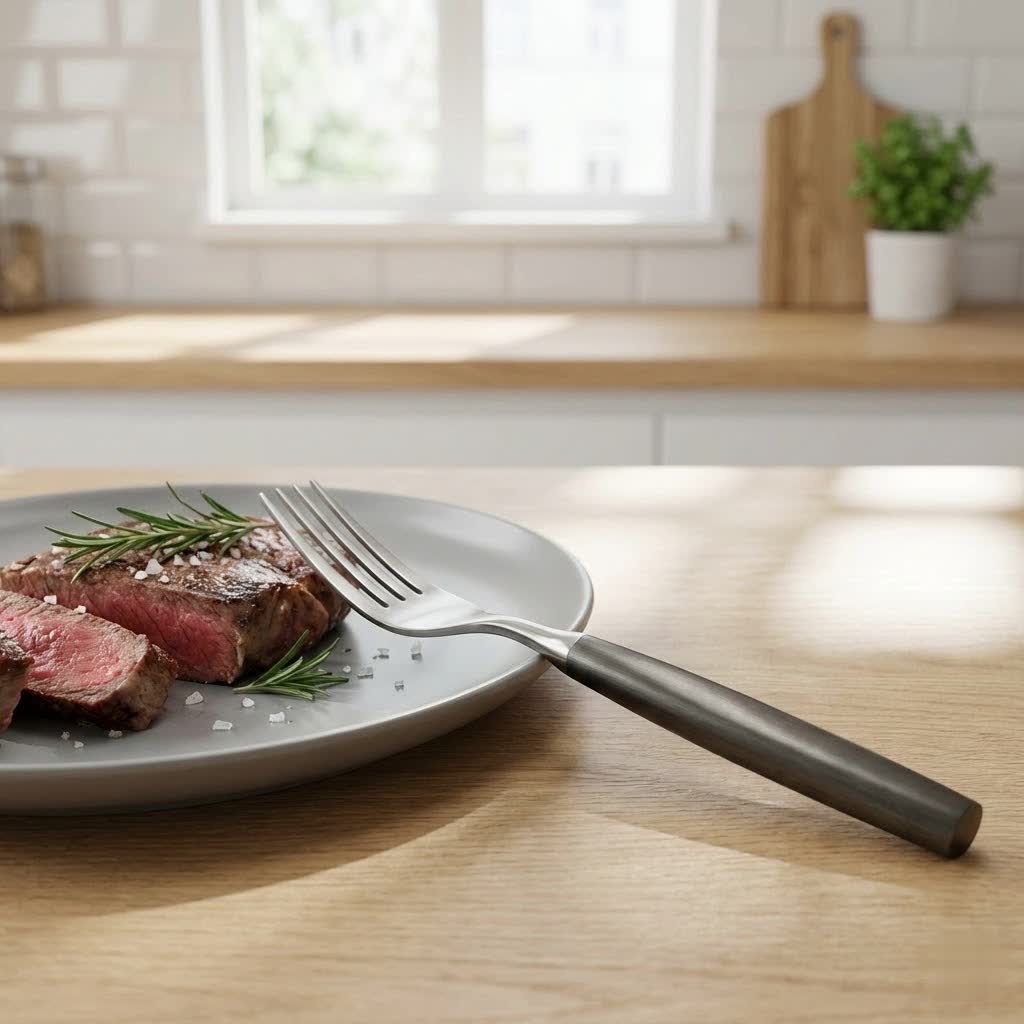
A steak fork is a specialized utensil meticulously designed to handle the unique challenges of eating meat. Unlike standard dinner forks, which are typically broader with four shorter, blunter tines, steak forks feature fewer, often two or three, longer and sharply pointed prongs. This distinct design allows them to pierce and secure even the toughest cuts of meat with minimal effort and without tearing the fibers, preserving the integrity and juiciness of your steak.
For individuals on keto or carnivore diets, where meat is a daily staple, the benefits of a dedicated steak fork are manifold. It provides a superior grip on large or thick pieces, preventing slips and spills, and allows for precise portioning. This professional-grade control elevates the dining experience, making each meal more enjoyable and less of a struggle. Furthermore, the enhanced durability of a quality steak fork ensures it stands up to frequent use, a necessity for a diet rich in protein.
Types of Steak Forks Available
Steak forks come in a variety of materials and designs, each offering distinct advantages and aesthetic appeals. Understanding these options is key to finding the perfect match for your dining needs and preferences.
By Material
- Stainless Steel Steak Forks: Stainless steel is the most common and practical material for steak forks, prized for its exceptional durability, resistance to rust and corrosion, and ease of cleaning. High-grade stainless steel, such as 18/8 or 420, ensures longevity and maintains a hygienic surface. While generally less ornate than other options, stainless steel forks are workhorses that can withstand the rigors of frequent use and often offer excellent value.
- Silver/Gold Plated Steak Forks: For those who prioritize aesthetics and a touch of luxury, plated steak forks offer an elegant appeal. These forks typically feature a base metal, often stainless steel, coated with a thin layer of silver or gold. While beautiful, they require more delicate care to prevent tarnishing and preserve the plating, and their durability for heavy, daily use might be a concern compared to solid stainless steel.
- Steak Forks with Wooden Handles: Forks featuring metal tines combined with wooden handles offer a comfortable grip and a warm, classic aesthetic. The wooden handle provides a natural, often ergonomic feel, which can enhance the dining experience. However, wooden handles require special care, typically not being dishwasher safe, and need to be dried immediately to prevent warping or cracking. They merge functionality with traditional charm, making them a popular choice for rustic or gourmet settings.
|
Our Picks for the Best Steak fork in 2026
As an Amazon Associate I earn from qualifying purchases.
|
||
| Num | Product | Action |
|---|---|---|
| 1 | Ponpon 2Pcs Meat Forks Stainless Steel Carving Fork with Wooden Handle Barbecue Fork for Cooking Kitchen (2) |

|
| 2 | 2 Pcs Carving Fork for Meat 11,8 inch - Stainless Steel Meat Fork with Heat-Resistant Handle for Grilling, Cooking, Serving - Straight and Curved Carving Utensils with Classic Two-Prong BBQ Design |
|
| 3 | Meat Cooking Fork Stainless Steel Fork - 10.8" Metal Serving Forks for Meat Carving Heavy Duty Two Prong Meat Fork for Grill Lifting Barbecue Forks |
|
| 4 | OXO Good Grips Stainless Steel Carving Fork, One size |
|
| 5 | Kilajojo Chef Pro Stainless Steel Carving Fork 12 Inch |
|
| 6 | Chef Craft Select Meat Cooking Fork, 13 inch, Stainless Steel |
|
| 7 | SUNRISE Stainless Steel Meat Fork 10.5" Fork |
|
| 8 | 2 Pcs Carving Fork for Meat – 12 Inch Stainless Steel Meat Forks for Kitchen, Heat-Resistant Non-Slip Handles – Two-Prong Straight & Curved BBQ Fork for Slicing, Grilling & Serving |
|
| 9 | Anolon SureGrip Stainless Steel Meat Fork/Kitchen Tool, 13.25 Inch, Gray,46288 |
|
| 10 | 2 Pieces Meat Fork Stainless Steel Carving Fork with Wood Handle Cooking BBQ Grill Steak Tool for Kitchen Barbecue Serving Cooking Grilling Roasting 10.5 Inches, Round Handle |
|
By Design
- Two-Prong vs. Three-Prong Steak Forks: The number of prongs on a steak fork impacts its functionality. Two-prong forks are excellent for piercing and holding individual pieces of meat securely, offering maximum stability without excessive puncturing. Three-prong forks provide a slightly broader base, which can be useful for scooping smaller pieces or providing a bit more balance, though they may pierce the meat more broadly than their two-prong counterparts. Both are specifically designed to be sharper and more robust than typical dinner fork tines.
- Standard Length Steak Forks: Most steak forks are designed to be a comfortable standard length, balancing reach with control. This common length ensures the fork feels balanced in hand and is effective for cutting and lifting meat from a plate without being cumbersome.
- Ergonomic Handle Designs: Beyond material, the design of the handle significantly influences comfort and grip. Ergonomic handles are contoured to fit the hand naturally, reducing fatigue during prolonged use, which is particularly beneficial for those frequently enjoying large cuts of meat. Materials like textured acrylic, non-slip polymers, or finely crafted wood can contribute to a secure and comfortable hold.
- Seamless vs. Riveted Construction: The construction of the fork, particularly how the handle attaches to the tines, can impact both durability and hygiene. Seamless designs, where the metal extends directly into the handle without gaps, are often more hygienic and less prone to breaking. Riveted handles, common with wooden or composite materials, offer a classic look but may have tiny crevices where food particles can accumulate if not cleaned meticulously.
Comparing Key Steak Fork Features
When selecting a steak fork for a keto or carnivore diet, focus on features that enhance both performance and longevity, given your frequent consumption of meat. Here’s a comparison of key features to guide your choice:
| Feature | Description/Benefit | Considerations for Keto/Carnivore Diet Users |
|---|---|---|
| Material | High-grade Stainless Steel (e.g., 18/8, 420) offers superior durability, corrosion resistance, and hygiene. | Essential: Frequent meat consumption demands a fork that won’t rust, stain, or bend. Stainless steel is easy to clean and maintain, crucial for daily use. Damascus steel, though rare for forks, offers exceptional edge retention (more for knives, but implies overall strength if used in a fork). |
| Prong Count | Two or three sharply pointed prongs. | Optimal: Fewer, sharper prongs pierce meat cleanly without tearing, preserving juices and texture. Two-prong forks offer excellent stability for larger cuts. Three-prong forks provide a slightly wider base for varied meat sizes. |
| Handle Material | Options include stainless steel, wood, acrylic, or composite materials. | Comfort & Grip: A comfortable, non-slip handle is vital for securely holding large or slippery cuts of meat. Wooden handles offer aesthetic appeal but require hand washing. Acrylic or composite handles are often more durable and dishwasher-safe. Full-tang construction (where metal extends through the handle) indicates superior balance and strength. |
| Ergonomics | Balanced weight, comfortable grip, and overall feel in the hand. | User Experience: For daily meat eaters, an ergonomically designed fork reduces hand fatigue and enhances control. A well-balanced fork makes cutting and maneuvering meat effortless, contributing to a more enjoyable dining experience. |
| Durability | Resistance to bending, breaking, and dulling (for prongs). | Longevity: Given the high frequency of use on a meat-centric diet, a highly durable fork is an investment. Look for robust construction and quality materials that can withstand repeated washing and interaction with tough meat fibers. |
| Maintenance | Ease of cleaning, dishwasher compatibility, resistance to staining and tarnishing. | Practicality: For those eating meat frequently, easy maintenance is a significant advantage. Stainless steel forks are typically dishwasher safe, while forks with wooden or specialty handles may require hand washing and immediate drying to prevent damage. Consider your cleaning habits when making a choice. |
How to Choose the Right Steak Fork for Your Carnivore Journey
Selecting the perfect steak fork involves considering your personal dining habits, aesthetic preferences, and practical needs. Given your commitment to a keto or carnivore diet, durability and performance should be at the forefront of your decision.
Assess Your Eating Habits
First, consider how often you consume steak and other hearty meats. If it’s a daily occurrence, investing in higher quality, more durable forks is prudent. Think about the typical cuts of meat you enjoy – thinner cuts might be fine with a lighter fork, while thick, dense steaks demand something more substantial. Also, reflect on your dining environment; a formal setting might call for plated options, while casual home dining allows for more utilitarian choices.
Prioritize Material Quality
The material of your steak fork directly impacts its longevity and performance. High-grade stainless steel (e.g., 18/8 or 420) is consistently recommended for its resilience, resistance to corrosion, and hygienic properties. This ensures your fork can withstand repeated use and washing without deteriorating. For handles, consider materials like composite or ergonomic plastics for durability and ease of cleaning, or wood if you appreciate the aesthetic and are willing to commit to specific care routines.
Evaluate Design and Ergonomics
The design of the fork is crucial for comfort and effectiveness. Look for sharply pointed, strong prongs (two or three are ideal) that can pierce and hold meat securely without undue effort. Test the fork’s balance and weight in your hand; it should feel substantial but not overly heavy, allowing for comfortable, controlled use. An ergonomic handle that fits well in your grip will prevent hand fatigue and enhance your overall dining pleasure.
Consider Durability and Easy Maintenance
For a diet centered around meat, your steak forks will see frequent action. Choose forks known for their durability and ease of maintenance. Stainless steel tines should be resistant to bending and breaking. For convenience, check if the forks are dishwasher safe, although hand washing is often recommended for preserving the sharpness and finish of any fine cutlery, especially those with specialty handles.
Steak Fork Care and Maintenance Tips
Proper care is essential to extending the life and maintaining the performance of your steak forks, especially when used frequently on a meat-heavy diet.
After each use, clean your steak forks promptly. While many stainless steel forks are dishwasher safe, hand washing is generally recommended to preserve their sharpness and finish. Use warm, soapy water and a soft sponge, paying close attention to any crevices where food particles might accumulate, especially with riveted handles. For forks with wooden handles, avoid soaking them and dry them immediately after washing to prevent warping or cracking. Avoid abrasive scrubbers or harsh chemical cleaners, as these can damage the finish or tarnish the metal.
Store your steak forks carefully to prevent scratches or dulling of the prongs. A cutlery tray with individual slots, a knife block designed for forks, or even a soft cloth wrap can help protect them. Proper storage ensures your forks remain sharp, clean, and ready for your next meat-filled meal.
“A quality steak fork is not just a utensil; it’s an extension of your commitment to enjoying real, wholesome food. Investing in the right tools makes every meal a more mindful and satisfying experience.” – Admin, reviewlk.com, Veteran Cutlery Technician
Conclusion
For those embracing keto and carnivore diets, a high-quality steak fork is more than just a piece of cutlery; it’s an essential tool that elevates every meal. By understanding the distinct features of steak forks, from their sharp, pointed prongs to their durable materials and ergonomic designs, you can make an informed choice that enhances your dining experience. Prioritize materials like high-grade stainless steel for longevity, consider the comfort of the handle, and always ensure the design allows for effortless piercing and holding of meat. Investing in the right steak fork not only brings efficiency to your table but also adds a touch of precision and pleasure to your meat-centric culinary journey.
What features do you value most in a steak fork for your daily meat consumption?
Frequently Asked Questions
Are steak forks different from regular forks?
Yes, steak forks are specifically designed for eating meat. They typically feature two or three longer, sharper, and more pointed prongs compared to the four shorter, blunter tines of a standard dinner fork. This specialized design allows them to pierce and hold meat more effectively and securely.
How many prongs should a good steak fork have?
A good steak fork typically has two or three prongs. Both configurations are effective; two-prong forks offer excellent stability and minimal piercing, while three-prong forks provide a slightly broader base for holding different cuts of meat. The choice often comes down to personal preference for grip and stability.
What is the best material for a steak fork?
High-grade stainless steel, such as 18/8 or 420, is generally considered the best material for steak forks due to its exceptional durability, resistance to rust and corrosion, and ease of cleaning. These qualities are crucial for a utensil used frequently for hearty meat dishes.
Can I put my steak fork in the dishwasher?
Many stainless steel steak forks are dishwasher safe, especially those with full metal or composite handles. However, it is often recommended to hand wash fine cutlery, particularly forks with wooden or delicate handles, to preserve their finish, sharpness, and overall longevity. Always check the manufacturer’s care instructions.
Why is a good steak fork important for carnivore dieters?
For carnivore dieters, who consume meat frequently, a good steak fork is important for several reasons: it provides a superior and secure grip on various meat cuts, enhances the precision of eating, and contributes to a more enjoyable and efficient dining experience. Its durability also ensures it withstands the consistent demands of a meat-centric diet.