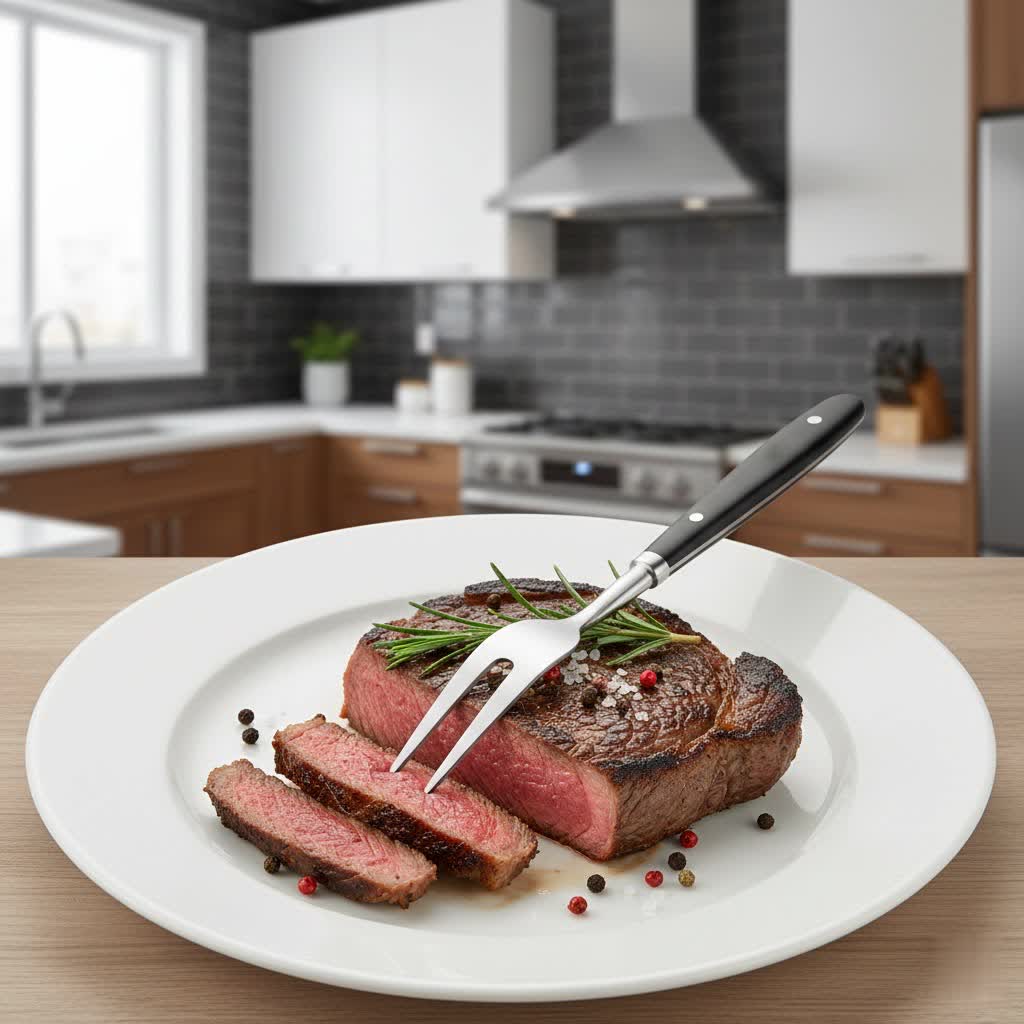
The sizzle of a perfectly cooked steak is an experience in itself, but the right tools can truly elevate it from a simple meal to a gourmet affair. Just as a sharp knife is essential, a well-chosen steak fork plays a crucial role in ensuring every bite is savored. For home cooks and steak enthusiasts, finding the “best steakhouse-style jumbo forks” means seeking out utensils that combine robust functionality with sophisticated design, bringing that fine dining experience right to your table. This comprehensive guide will delve into everything you need to know to select the ideal jumbo steak fork, transforming your home dining into an indulgent steakhouse feast.
What is a Steak Fork? Why Do You Need One?
A steak fork is a specialized piece of cutlery designed to complement a steak knife, providing optimal grip and control when handling larger, tougher cuts of meat. Unlike a standard dinner fork, which is typically around 6 to 7 inches long with a general-purpose curve, a steak fork is engineered for the unique challenges of eating steak. Its design features, such as longer, more pointed tines and a sturdier build, allow it to pierce and hold meat securely without tearing or damaging its fibers. This dedicated design ensures a cleaner cut and a more refined eating experience, mirroring the precision and quality you’d expect from a high-end steakhouse. The enhanced grip and stability it offers means you can confidently cut and enjoy your steak, preventing frustrating slips and an ungraceful presentation.
Popular Types of Steak Forks for Home Use
When exploring steak forks for your home, understanding the various types based on material and design can help you pinpoint what best suits your needs and aesthetic preferences. The “jumbo” aspect often refers to a more substantial size and weight, contributing to a premium, steakhouse feel.
By Material
The material of your steak fork significantly impacts its durability, appearance, and maintenance requirements.
- Stainless Steel: The most common and practical choice, stainless steel forks offer excellent hygiene, corrosion resistance, and high-temperature tolerance. They are often graded by their chromium and nickel content, such as 18/10, 18/8, and 18/0.
- 18/10 Stainless Steel: Contains 18% chromium and 10% nickel, offering superior durability, stain resistance, and a brilliant shine. It’s considered the highest quality for flatware and can last for decades.
- 18/8 Stainless Steel: With 18% chromium and 8% nickel, it’s very similar to 18/10, providing good corrosion resistance and longevity, though slightly more vulnerable to water and salt over time.
- 18/0 Stainless Steel: Composed of 18% chromium and 0% nickel, this grade is more affordable but less resistant to corrosion and may not retain its shine as well as higher-nickel counterparts. It’s generally dishwasher safe but may have a shorter lifespan.
- Wood/Polywood Handles: Forks with wooden or polywood (a wood-plastic composite) handles offer a warm, rustic aesthetic and a comfortable, often ergonomic grip. Wood provides a natural feel and can prevent heat transfer, while polywood offers enhanced durability and water resistance compared to natural wood. However, genuine wood requires more careful maintenance to prevent drying or cracking, and it might not always be dishwasher safe.
- Gold/Silver Plated: For an extra touch of luxury and elegance, some steak forks might feature gold or silver plating. These are primarily chosen for their aesthetic appeal and are typically reserved for special occasions rather than everyday robust use. They require delicate care to prevent tarnishing and wear, making them a more significant investment in both cost and maintenance.
|
Our Picks for the Best Steak fork in 2026
As an Amazon Associate I earn from qualifying purchases.
|
||
| Num | Product | Action |
|---|---|---|
| 1 | Chef Craft Select Meat Cooking Fork, 13 inch, Stainless Steel |

|
| 2 | Ponpon 2Pcs Meat Forks Stainless Steel Carving Fork with Wooden Handle Barbecue Fork for Cooking Kitchen (2) |
|
| 3 | OXO Good Grips Stainless Steel Carving Fork, One size |
|
| 4 | Meat Cooking Fork Stainless Steel Fork - 10.8" Metal Serving Forks for Meat Carving Heavy Duty Two Prong Meat Fork for Grill Lifting Barbecue Forks |
|
| 5 | 2 Pcs Carving Fork for Meat 11,8 inch - Stainless Steel Meat Fork with Heat-Resistant Handle for Grilling, Cooking, Serving - Straight and Curved Carving Utensils with Classic Two-Prong BBQ Design |
|
| 6 | SUNRISE Stainless Steel Meat Fork 10.5" Fork |
|
| 7 | Anolon SureGrip Stainless Steel Meat Fork/Kitchen Tool, 13.25 Inch, Gray,46288 |
|
| 8 | 2 Pcs Carving Fork for Meat – 12 Inch Stainless Steel Meat Forks for Kitchen, Heat-Resistant Non-Slip Handles – Two-Prong Straight & Curved BBQ Fork for Slicing, Grilling & Serving |
|
| 9 | Kilajojo Chef Pro Stainless Steel Carving Fork 12 Inch |
|
| 10 | 2 Pieces Meat Fork Stainless Steel Carving Fork with Wood Handle Cooking BBQ Grill Steak Tool for Kitchen Barbecue Serving Cooking Grilling Roasting 10.5 Inches, Round Handle |
|
By Design
Beyond materials, the design of a steak fork—particularly its tines, handle, and overall balance—contributes to its functionality and user experience.
- Tine Shape: Pointed and Sturdy: Steak forks are characterized by their long, sharp, and sturdy tines. These tines are specifically designed to pierce through tough cuts of meat with minimal effort and hold them firmly in place for cutting. Unlike steak knives, which often feature serrated edges for sawing through meat, eating steak forks typically have smooth, sharply tapered tines. This smooth design prevents unnecessary tearing of the meat fibers, preserving juices and ensuring a clean, elegant bite. Some heavy-duty carving forks might have slightly broader or more robust tines at the base for added grip on larger roasts, but true serrations on eating fork tines are uncommon and generally undesirable.
- Handle Length and Ergonomics: “Jumbo” steak forks often feature longer and more substantial handles than standard dinner forks. This extended length provides better leverage and a more comfortable, secure grip, which is particularly beneficial when cutting into a thick, juicy steak. An ergonomically designed handle fits comfortably in the hand, reducing fatigue during prolonged use. Look for handles that feel balanced and provide ample surface area for a firm, controlled hold.
- Weight and Balance: The weight and balance of a steak fork are critical for a premium feel. A well-balanced fork feels natural in your hand, offering control without being cumbersome. A heavier, more substantial fork often conveys a sense of quality and durability, akin to the robust cutlery found in fine steakhouses. This weight contributes to stability, making it easier to maneuver and enjoy your steak.
Comparing Top Steakhouse-Style Jumbo Forks
Choosing the best steak fork involves weighing various factors. Here’s a comparative look at different types, focusing on characteristics that define a quality “steakhouse-style jumbo fork” for home use.
| Feature | Premium Stainless Steel (e.g., 18/10) | Stainless Steel with Polywood Handle (e.g., Tramontina style) | Stainless Steel with Full Tang Wood Handle |
|---|---|---|---|
| Material | High-grade 18/10 or 18/8 stainless steel | Stainless steel tines, durable polywood handle | Stainless steel tines, genuine wood handle (often riveted) |
| Design | Sleek, polished, seamless construction | Rustic or classic, distinct handle-to-tine transition | Elegant, robust, often handcrafted aesthetic |
| Tine Design | Long, sharp, perfectly tapered, smooth | Sturdy, often slightly thicker tines for robust use | Sharp, well-formed, sometimes with a more traditional curve |
| Handle | Full metal, ergonomic, often weighted for balance | Comfortable, heat-resistant, provides good grip | Natural, warm feel, excellent grip, varies in wood grain |
| Pros | Highly durable, rust-resistant, dishwasher safe, luxurious feel | Very durable, good grip, often more affordable, good heat resistance | Aesthetic appeal, unique grain, comfortable, distinct steakhouse feel |
| Cons | Can be more expensive, some designs might feel too formal for casual use | Less premium feel than full metal, handle color can fade over time | Requires handwashing, susceptible to water damage/cracking if not cared for |
| Price Range | $$$$ | $$ | $$$ |
| Ideal For | Formal and casual dining, those prioritizing longevity and shine | Everyday use, outdoor grilling, rustic table settings | Enthusiasts who appreciate craftsmanship and natural materials |
“The true measure of a great steak fork isn’t just its ability to pierce, but how effortlessly it allows you to control the meat, enhancing the overall sensory experience of your meal.” – Chef Antoine Dubois, Culinary Expert
Guide to Choosing the Right Steak Fork for Home Use
Selecting the perfect steak fork for your home involves considering your specific dining habits, aesthetic preferences, and practical needs. It’s about finding that ideal balance between functionality and flair.
Determine Your Usage Needs
Before diving into the myriad options, reflect on how you typically enjoy steak at home. Do you frequently host dinner parties with elaborate place settings, or are your steak nights more casual family affairs? The style of steak you prefer also matters. Thicker, bone-in cuts like a Tomahawk might benefit from a more robust, “jumbo” fork for stability, while thinner cuts may be perfectly served with a slightly less imposing utensil. Consider your current table setting – do you prefer modern minimalism, classic elegance, or rustic charm? Your new steak forks should complement your existing aesthetic.
Material Considerations
The material choice is crucial for both performance and longevity. Prioritize materials that are food-safe and resist corrosion, especially given the acidic nature of some marinades and sauces. Stainless steel, particularly 18/10 or 18/8 grades, is an excellent choice for its durability, hygiene, and ease of cleaning, often being dishwasher safe. If you lean towards the warmth and grip of a handle, options with quality wood or polywood handles offer a distinct feel. Remember that genuine wood handles will require handwashing to prevent damage, while polywood often offers greater resilience.
Prioritize Design and Comfort
A steak fork, especially a jumbo one, should feel comfortable and balanced in your hand. Pay attention to the length and shape of the tines – they should be sufficiently long and sharp to pierce and hold meat securely without excessive effort. The handle’s ergonomics are equally important; it should provide a firm, comfortable grip that reduces hand fatigue, especially when tackling larger steaks. For a “steakhouse-style” experience, look for a fork with a pleasing weight that feels substantial and well-crafted, contributing to the overall sense of quality at your dining table.
Consult User Reviews
Real-world experiences can offer invaluable insights. Before making a purchase, take the time to read reviews on e-commerce sites, culinary forums, or specialized kitchenware blogs. Pay attention to comments regarding durability, ease of cleaning, comfort, and how the forks perform with various types of steak. Additionally, don’t hesitate to ask friends or family for recommendations if they are steak enthusiasts and have invested in quality cutlery. Their firsthand accounts can guide you toward reliable and satisfying choices.
Essential Tips for Cleaning and Maintaining Your Steak Forks
Proper care and maintenance are key to ensuring your steakhouse-style jumbo forks remain in pristine condition for years, preserving their functionality and aesthetic appeal.
Firstly, it’s crucial to clean your steak forks immediately after use. Food residues, particularly those with high acidity like fruit acids, vinegar, or salt, can corrode metal if left in prolonged contact. A quick rinse under running water to remove any lingering food particles is recommended if you cannot wash them right away.
When it comes to washing, handwashing is often the gentlest approach, especially for forks with delicate materials like genuine wood handles or specialized finishes. Use warm water and a mild dish soap, cleaning with a soft sponge or cloth. Avoid abrasive cleaners, steel wool, or scouring pads, as these can scratch the surface and dull the finish of your forks. For stainless steel forks, many are dishwasher safe, especially 18/10 and 18/8 grades. However, to prevent water spots and potential “contact corrosion” (where different metal types react), it’s advisable to load forks with handles facing down and ensure they don’t touch other metal items in the dishwasher.
For stubborn stains or to restore shine, home remedies can be effective. A mixture of baking soda or vinegar with warm water can be used to soak cutlery for about an hour, followed by drying with a soft cotton cloth. For targeted spots, apply baking soda or vinegar directly and gently polish. Always rinse thoroughly after using these remedies.
Finally, thorough drying is paramount. Leaving your forks wet can lead to water spots or, over time, rust, even on “stainless” steel. Dry each piece with a clean, soft towel immediately after washing. Store your steak forks in a way that prevents them from rubbing against other utensils, which can cause scratches. A cutlery tray with individual slots or a knife block (if the tines fit safely) are excellent options to protect their finish and sharp tines, ensuring they are ready for your next gourmet steak experience.
Conclusion
Investing in steakhouse-style jumbo forks is more than just acquiring another utensil; it’s about investing in an enhanced dining experience. These specialized forks, with their robust construction, comfortable grip, and precisely designed tines, offer superior control and elegance, allowing you to truly savor every succulent bite of steak. By considering materials like high-grade stainless steel, ergonomic handle designs, and prioritizing both functionality and aesthetic appeal, you can select forks that not only perform exceptionally but also elevate your home dining to a restaurant-quality affair. Take the time to choose wisely and care for your forks properly, and they will serve as trusted companions for countless memorable meals. What kind of steak will you be enjoying with your new jumbo forks first?
Frequently Asked Questions
What makes a fork “steakhouse-style”?
A “steakhouse-style” fork is typically more substantial, with a heavier weight and a design focused on functionality and a premium feel. It usually features long, sturdy, and sharply pointed tines that are excellent for piercing and holding thick cuts of meat, providing better control and stability than a standard dinner fork.
Are jumbo steak forks necessary for eating steak?
While not strictly “necessary,” jumbo steak forks significantly enhance the dining experience. Their larger size and robust design offer superior grip and leverage, making it easier and more comfortable to cut and eat steak, especially thicker cuts. This specialized design contributes to a more refined and enjoyable meal, mimicking a professional steakhouse setting.
Can I put my steak forks in the dishwasher?
Most stainless steel steak forks, particularly those made from 18/10 or 18/8 grades, are dishwasher safe. However, forks with genuine wood handles require handwashing to prevent damage, cracking, or discoloration. Always check the manufacturer’s instructions and consider handwashing to prolong the lifespan and pristine condition of all your steak forks.
What’s the best material for steak forks?
High-quality stainless steel (e.g., 18/10 or 18/8) is widely considered the best material for steak forks due to its excellent durability, corrosion resistance, hygienic properties, and ease of maintenance. For handles, options like polywood or well-maintained genuine wood can offer aesthetic appeal and a comfortable grip.
How do I prevent rust spots on my stainless steel steak forks?
To prevent rust spots, always rinse your stainless steel steak forks immediately after use to remove acidic food residues. Thoroughly dry them with a soft towel after washing, whether by hand or in the dishwasher, as prolonged moisture is a common cause of spotting and corrosion. Avoid abrasive cleaners and separating them from other cutlery in the dishwasher can also help.