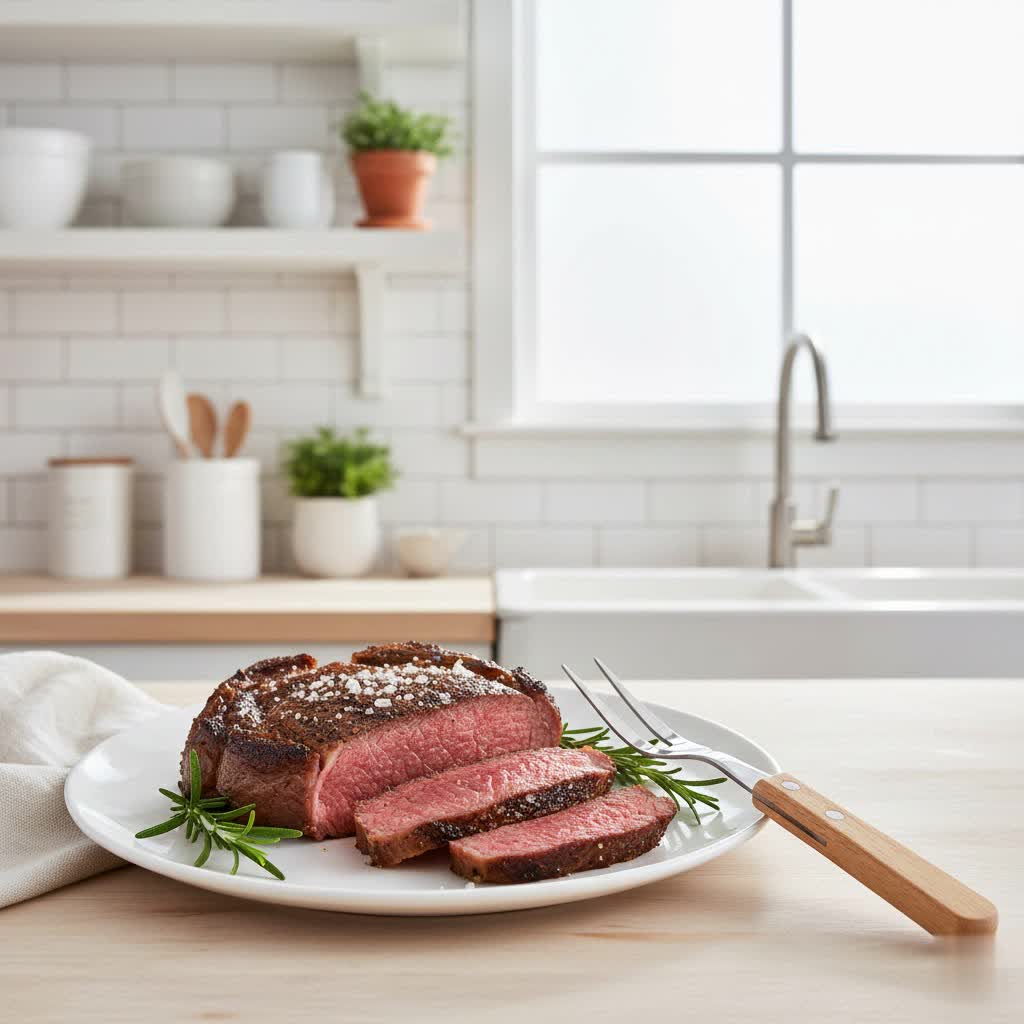
When settling down to enjoy a perfectly cooked steak, most of us consider the cut of meat, the sharpness of the knife, and perhaps the wine pairing. But have you ever paused to consider the humble steak fork? Often overlooked, the weight of this essential utensil plays a surprisingly significant role in your dining experience. From the perceived quality it conveys to the actual ease of use, a steak fork’s heft, or lack thereof, can subtly elevate or detract from your meal. This article delves into the nuanced world of steak fork weights, exploring the advantages and disadvantages of heavy versus light options, and helping you discover which suits your table best.
What is a Steak Fork? Why Its Design Matters for Your Meal
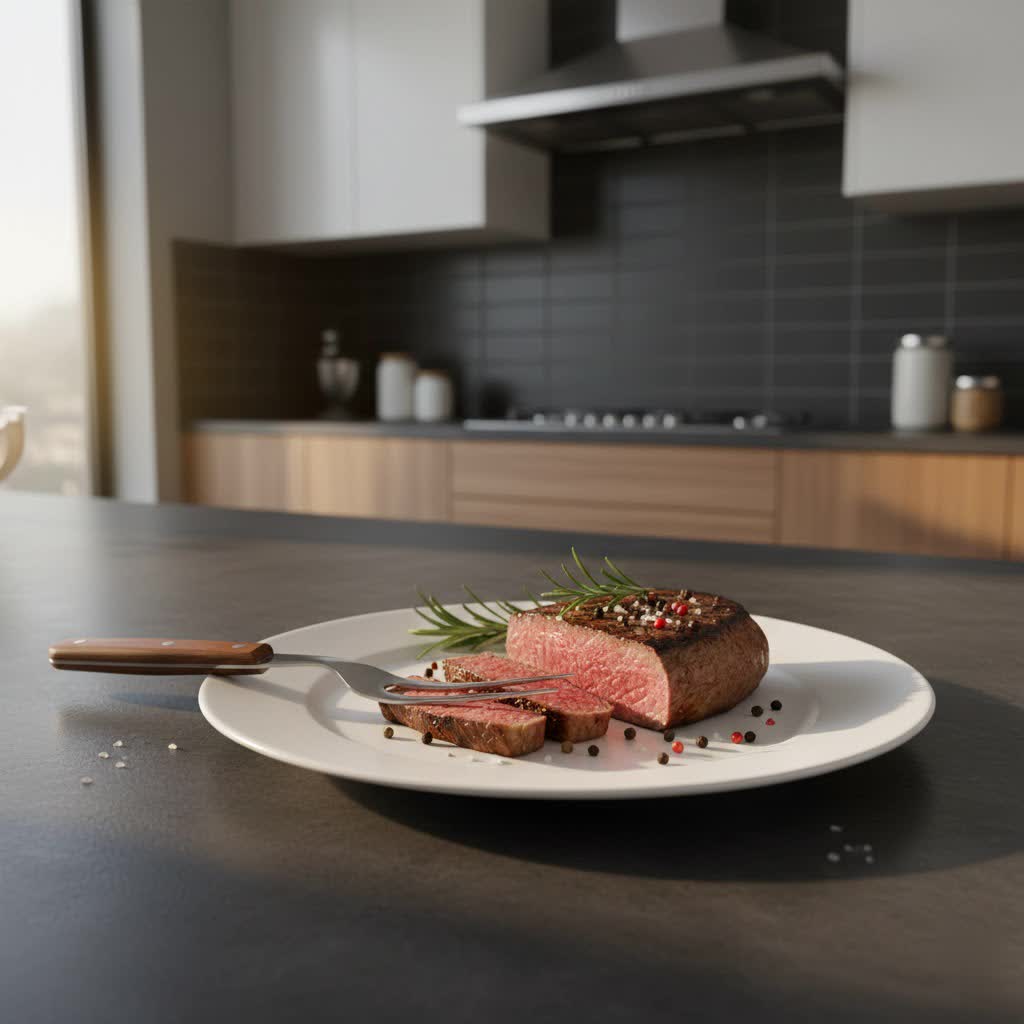
A steak fork is specifically designed to complement the act of eating steak. Unlike a standard dinner fork, which typically has four tines of moderate length, a steak fork often features slightly thicker, more robust tines that may be tapered or even serrated at the tips. Its primary purpose is to firmly secure a piece of meat against the plate, allowing a steak knife to cut through it cleanly and efficiently. The handle, tines, and overall balance are meticulously crafted to provide stability, grip, and comfort, ensuring that each bite is effortlessly prepared and enjoyed. The robust nature of a steak fork is crucial for handling denser, tougher cuts of meat, preventing slippage and providing the necessary leverage for a smooth dining experience.
The Anatomy of Weight: What Makes a Steak Fork Heavy or Light?
The weight of a steak fork is a direct result of its construction and the materials used. The most common material for quality steak forks is stainless steel, with variations in gauge and composition leading to different weights. A fork crafted from thicker, higher-grade stainless steel will naturally be heavier. Beyond the material, the manufacturing process plays a critical role. Forged steak forks, made from a single, solid piece of metal that is heated and shaped, tend to be heavier and more substantial. This process creates a denser, stronger utensil. In contrast, stamped steak forks are cut from a flat sheet of metal, making them generally lighter and sometimes less durable.
Handle design also contributes significantly. Forks with solid, full-tang handles (where the metal extends the full length of the handle) or those with denser handle materials like certain woods or composite materials will add to the overall weight. Hollow handles or those made from lighter plastics will result in a lighter utensil. The balance point—where the weight is distributed along the fork—also influences how heavy or light a fork feels in the hand. A fork that is well-balanced might feel lighter or more comfortable even if its absolute weight is higher.
The Case for Heavy Steak Forks: Power, Presence, and Perception
Heavy steak forks often come with a distinct set of advantages that appeal to many diners and hosts.
Enhanced Durability and Quality Perception
|
Our Picks for the Best Steak fork in 2026
As an Amazon Associate I earn from qualifying purchases.
|
||
| Num | Product | Action |
|---|---|---|
| 1 | 2 Pcs Carving Fork for Meat 11,8 inch - Stainless Steel Meat Fork with Heat-Resistant Handle for Grilling, Cooking, Serving - Straight and Curved Carving Utensils with Classic Two-Prong BBQ Design |

|
| 2 | SUNRISE Stainless Steel Meat Fork 10.5" Fork |
|
| 3 | Chef Craft Select Meat Cooking Fork, 13 inch, Stainless Steel |
|
| 4 | 2 Pcs Carving Fork for Meat – 12 Inch Stainless Steel Meat Forks for Kitchen, Heat-Resistant Non-Slip Handles – Two-Prong Straight & Curved BBQ Fork for Slicing, Grilling & Serving |
|
| 5 | Anolon SureGrip Stainless Steel Meat Fork/Kitchen Tool, 13.25 Inch, Gray,46288 |
|
| 6 | Ponpon 2Pcs Meat Forks Stainless Steel Carving Fork with Wooden Handle Barbecue Fork for Cooking Kitchen (2) |
|
| 7 | Meat Cooking Fork Stainless Steel Fork - 10.8" Metal Serving Forks for Meat Carving Heavy Duty Two Prong Meat Fork for Grill Lifting Barbecue Forks |
|
| 8 | OXO Good Grips Stainless Steel Carving Fork, One size |
|
| 9 | Kilajojo Chef Pro Stainless Steel Carving Fork 12 Inch |
|
| 10 | 2 Pieces Meat Fork Stainless Steel Carving Fork with Wood Handle Cooking BBQ Grill Steak Tool for Kitchen Barbecue Serving Cooking Grilling Roasting 10.5 Inches, Round Handle |
|
A substantial weight often correlates with robust construction and higher-quality materials. Heavy steak forks are typically forged from premium stainless steel, signifying superior durability and longevity. This heft communicates an immediate sense of craftsmanship and luxury, making them a preferred choice for fine dining establishments and those who appreciate lasting quality. The solidity in hand assures the user of its resilience and ability to withstand repeated use.
Superior Piercing and Stability
The added mass of a heavy steak fork provides excellent leverage and stability. This is particularly beneficial when dealing with thicker, tougher cuts of steak. The weight helps the tines penetrate the meat more easily and hold it firmly in place without wiggling. This stability makes the cutting process smoother and more controlled, allowing for precise, effortless slices. A heavy fork acts as a steady anchor, minimizing the effort required to manage your meal.
A Sense of Luxury and Substance
There’s an undeniable psychological aspect to a heavy piece of cutlery. It feels more “real,” more expensive, and more significant. This contributes to an elevated dining experience, making each meal feel more special and intentional. The satisfying weight in hand can enhance the overall perception of the meal, signaling attention to detail and a commitment to quality. For many, a heavy fork is part of the ritual of a gourmet dinner.
Reduced Hand Fatigue for Certain Users
While it might seem counter-intuitive, some users find that a heavier fork, especially one that is well-balanced, can actually reduce hand fatigue during a meal. The weight provides a natural momentum and stability that can make gripping and maneuvering the fork less strenuous, particularly when engaged in the task of cutting. This can be a significant benefit for those who prefer a solid, grounded feel rather than a delicate touch.
Embracing Light Steak Forks: Agility, Comfort, and Modern Appeal
On the other end of the spectrum, lightweight steak forks offer their own unique advantages.
Effortless Handling and Maneuverability
Light steak forks excel in agility. They are easier to lift, move, and manipulate, making them ideal for quick, fluid motions during a meal. This can be particularly enjoyable for those who prefer a less demanding dining experience or for meals that involve more delicate cuts of meat that don’t require significant force to secure. The lightness allows for a certain grace and ease at the table.
Reduced Hand Fatigue for Extended Use
For individuals who experience hand fatigue or prefer a utensil that puts less strain on the wrist, a lighter steak fork is often the superior choice. Over the course of a long meal, or for those with conditions like arthritis, the reduced weight can make a significant difference in comfort, allowing them to enjoy their food without discomfort. This ergonomic benefit ensures a more relaxed and enjoyable dining session.
Modern Aesthetics and Portability
Lightweight steak forks often feature sleek, minimalist designs that appeal to modern tastes. They are typically made from thinner gauge metals or incorporate lighter handle materials, contributing to a contemporary aesthetic. Their reduced weight also makes them more portable, ideal for picnics, outdoor grilling, or casual dining where ease of transport is a factor. They offer a blend of functionality and modern style.
Cost-Effectiveness
Generally, lighter steak forks, especially those made through a stamping process, tend to be more cost-effective than their heavier, forged counterparts. This makes them an excellent option for those looking to outfit a larger table setting on a budget without compromising on basic functionality. They provide a practical and accessible choice for everyday dining.
Heavy vs. Light: A Comparative Look at Steak Fork Performance
| Feature | Heavy Steak Forks | Light Steak Forks |
|---|---|---|
| Durability | Generally superior, robust construction | Can be durable, but sometimes less so than heavy |
| Piercing Power | Excellent, leverages weight for easy penetration | Good, requires more manual force for tough cuts |
| Stability | High, firmly anchors meat | Moderate, can feel less secure with tough meats |
| Comfort | Solid, grounded feel; can reduce fatigue for some | Effortless, reduces fatigue for extended use |
| Perceived Quality | High, luxurious, substantial feel | Modern, practical, can feel less premium |
| Price | Often higher due to materials and manufacturing | Generally more affordable |
| Ideal Use | Fine dining, tough cuts, those preferring substance | Casual dining, delicate cuts, users with hand fatigue |
Choosing Your Perfect Steak Fork: Factors Beyond Weight
While weight is an important consideration, it’s just one piece of the puzzle when selecting the ideal steak fork. Your personal dining habits and preferences should guide your choice.
Consider Your Steak Preferences
If you frequently enjoy thick-cut, well-seared steaks, a heavier fork might provide the necessary leverage and stability. For lighter cuts or smaller portions, a more agile, lightweight fork could be perfectly adequate and even more comfortable. Think about the texture and resistance of the meats you typically eat.
Evaluate Hand Comfort and Grip
The most crucial factor is how the fork feels in your hand. Hold different weights and designs. Does the handle fit comfortably? Does it feel balanced? A fork should feel like a natural extension of your hand, not an awkward tool. Personal comfort is paramount, as it directly impacts your dining pleasure.
Match Your Dining Style and Occasion
Consider the overall aesthetic and formality of your table setting. For formal dinners, a heavier, more traditional fork might complement the ambiance. For casual family meals or outdoor grilling, a lighter, more modern design could be more practical and fitting. Your cutlery should harmonize with your dining environment.
Material and Construction Quality
Regardless of weight, always prioritize quality materials like high-grade stainless steel for durability and rust resistance. Examine the finish—polished edges, smooth tines—as these details speak to the overall craftsmanship and comfort. A well-made fork, whether heavy or light, will serve you better in the long run.
Read Reviews and Try Before You Buy
Before committing to a set, if possible, read reviews from other users and, ideally, try holding different forks. Visiting a kitchenware store can give you a hands-on feel for various weights and designs, helping you make an informed decision that aligns with your personal preferences.
Maintaining Your Steak Forks: Care for Lasting Performance
Proper care ensures your steak forks, regardless of their weight, remain a pleasure to use for years. After each use, hand-wash them with warm, soapy water, especially after cutting acidic foods, to prevent tarnishing or pitting. Avoid abrasive scrubbers that can scratch the finish. For stainless steel, promptly drying them with a soft cloth prevents water spots and maintains their shine. Store them in a cutlery tray or roll to prevent scratches and damage from other utensils. Regular maintenance not only preserves their appearance but also their functionality and lifespan, ensuring they continue to enhance your steak dinners.
Conclusion
The choice between a heavy or light steak fork is ultimately a personal one, deeply intertwined with your dining habits, ergonomic preferences, and aesthetic sensibilities. A heavier fork often conveys a sense of enduring quality and provides robust stability for hearty cuts, while a lighter fork offers nimble handling and reduces fatigue during extended meals. Both have their merits, designed to cater to different needs and desires. The “perfect” steak fork is the one that feels right in your hand, enhances your comfort, and elevates your overall enjoyment of the meal. So, the next time you set your table, consider not just the steak, but the subtle yet significant weight of the fork, and how it contributes to your perfect culinary experience.
Frequently Asked Questions
Does a heavier steak fork mean better quality?
Not always, but often. Heavier steak forks are frequently forged from higher-grade stainless steel or have solid handles, which generally indicates superior durability and craftsmanship. However, a well-designed lightweight fork can also be of high quality and offer excellent performance, especially if made from advanced, lighter materials.
Can a light steak fork be durable?
Yes, a light steak fork can be quite durable, particularly if it’s made from good quality stainless steel and well-constructed. While it may not have the same heft as a forged heavy fork, modern manufacturing techniques allow for strong yet lightweight designs that can withstand regular use and maintain their integrity over time.
What’s the ideal weight for a steak fork?
There isn’t a universally “ideal” weight for a steak fork; it largely depends on individual preference and the intended use. Some prefer the substantial feel of a heavy fork for its stability and perceived luxury, while others opt for a lighter fork for enhanced comfort and agility, especially during long meals or if they experience hand fatigue.
How does the balance of a steak fork affect its feel?
The balance of a steak fork significantly impacts how it feels in your hand, often more so than its absolute weight. A well-balanced fork, where the weight is evenly distributed or slightly biased towards the tines, will feel more natural and comfortable to hold and use. A poorly balanced fork, even if lightweight, can feel awkward or cumbersome.