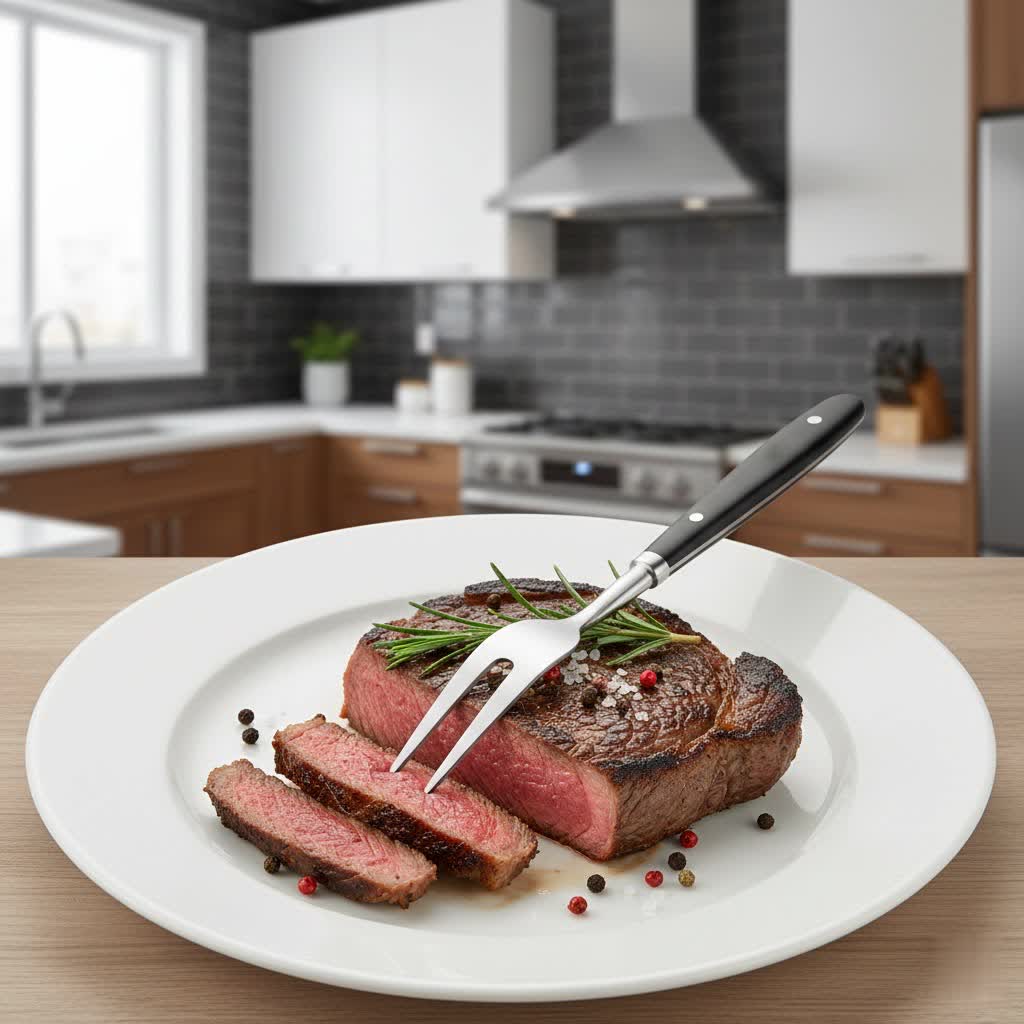
For steak enthusiasts, the difference between a good meal and a truly exceptional dining experience often lies in the details—and the right steak fork is one such detail. Imagine slicing into a perfectly cooked steak, only to struggle with a flimsy fork that offers no stability. This is where a specialized tool like the Sabatier Forged Stainless Steak Fork comes into its own. Renowned for its heritage in fine French cutlery, Sabatier offers a promise of quality and precision that can transform your table setting.
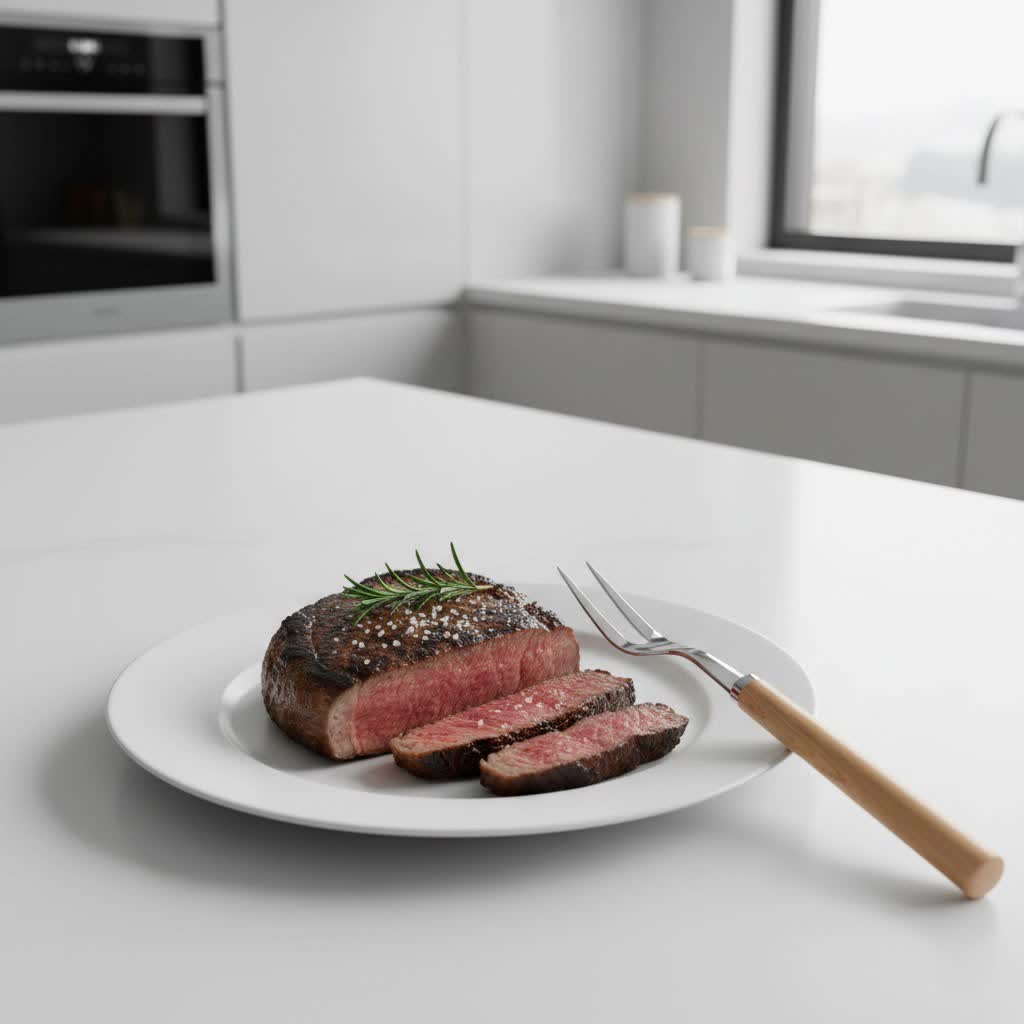
This comprehensive review will delve into what makes the Sabatier Forged Stainless Steak Fork an essential addition to your cutlery collection. We’ll explore its construction, design, and performance, along with practical advice on how to choose and care for this remarkable utensil, ensuring every bite of your steak is savored with effortless grace and control.
What is a Steak Fork? Why Do You Need One?
A steak fork is specifically designed to provide optimal grip and stability when piercing and holding cuts of meat, particularly steak. Unlike conventional dining forks, which typically have four shorter tines and a more rounded profile, a dedicated steak fork often features two longer, sharper, and more robust prongs. This design allows for a secure hold on a thick piece of meat, preventing it from slipping or rotating as you cut it.
The primary function of a steak fork is to stabilize your steak, providing the necessary leverage for a clean cut with your steak knife. While a standard dinner fork can manage lighter fare, it often falls short when tackling the hearty texture of a well-seared steak. The benefits of using a specialized steak fork are immediately apparent: enhanced control, reduced effort in cutting, and an overall more refined and enjoyable dining experience. It ensures that each portion you cut remains firmly in place, allowing for precise and comfortable slicing, minimizing the frustration of chasing your steak around the plate.
Types of Steak Forks: Focusing on Sabatier’s Craftsmanship
Steak forks come in various forms, but when considering a Sabatier, the emphasis is heavily placed on specific materials and design principles that speak to their long-standing tradition of quality.
By Material: Forged Stainless Steel
The hallmark of a Sabatier steak fork, and the focus of this review, is its forged stainless steel construction. This method involves shaping a single piece of high-grade steel under immense heat and pressure, resulting in a utensil that is exceptionally strong, durable, and balanced. [cite: 1, 4, 5 in first search result block; 1 in second search result block]
- Advantages:
- Durability and Longevity: Forged forks are significantly stronger and more resistant to bending or breaking than stamped alternatives. They are built to last through countless meals.
- Corrosion Resistance: Made from high-carbon stainless steel, such as Z50C13, these forks offer excellent resistance to rust and tarnishing, maintaining their polished appearance over time. [cite: 3, 5 in first search result block; 1 in second search result block]
- Hygiene: Stainless steel is non-porous and easy to clean, preventing the absorption of food odors or flavors.
- Weight and Balance: The forging process results in a heavier, fuller utensil that feels substantial and well-balanced in the hand, contributing to superior control. [cite: 1 in second search result block]
- Rockwell Hardness: Many Sabatier forged stainless steel items, including forks, boast a Rockwell Hardness (HRC) of 54-56, indicating a well-tempered steel that offers both strength and resilience. [cite: 3, 5 in first search result block; 4 in third search result block]
- Disadvantages:
- Generally, the primary disadvantage is a higher cost compared to stamped cutlery, reflecting the intensive manufacturing process and superior quality.
- While stainless steel is rust-resistant, improper care (e.g., leaving wet for extended periods) can still lead to minor spotting, particularly for alloys with higher carbon content.
|
Our Picks for the Best Steak fork in 2026
As an Amazon Associate I earn from qualifying purchases.
|
||
| Num | Product | Action |
|---|---|---|
| 1 | Ponpon 2Pcs Meat Forks Stainless Steel Carving Fork with Wooden Handle Barbecue Fork for Cooking Kitchen (2) |

|
| 2 | Kilajojo Chef Pro Stainless Steel Carving Fork 12 Inch |
|
| 3 | SUNRISE Stainless Steel Meat Fork 10.5" Fork |
|
| 4 | 2 Pieces Meat Fork Stainless Steel Carving Fork with Wood Handle Cooking BBQ Grill Steak Tool for Kitchen Barbecue Serving Cooking Grilling Roasting 10.5 Inches, Round Handle |
|
| 5 | OXO Good Grips Stainless Steel Carving Fork, One size |
|
| 6 | Anolon SureGrip Stainless Steel Meat Fork/Kitchen Tool, 13.25 Inch, Gray,46288 |
|
| 7 | Meat Cooking Fork Stainless Steel Fork - 10.8" Metal Serving Forks for Meat Carving Heavy Duty Two Prong Meat Fork for Grill Lifting Barbecue Forks |
|
| 8 | 2 Pcs Carving Fork for Meat – 12 Inch Stainless Steel Meat Forks for Kitchen, Heat-Resistant Non-Slip Handles – Two-Prong Straight & Curved BBQ Fork for Slicing, Grilling & Serving |
|
| 9 | 2 Pcs Carving Fork for Meat 11,8 inch - Stainless Steel Meat Fork with Heat-Resistant Handle for Grilling, Cooking, Serving - Straight and Curved Carving Utensils with Classic Two-Prong BBQ Design |
|
| 10 | Chef Craft Select Meat Cooking Fork, 13 inch, Stainless Steel |
|
While other materials like silver-plated or wooden forks exist for aesthetic or eco-friendly reasons, forged stainless steel remains the gold standard for robust, high-performance steak forks, a tradition Sabatier exemplifies.
By Design: The Bayonette Style and Ergonomic Handles
Sabatier steak forks often feature a distinct design optimized for meat consumption and carving.
- Two-pronged (Bayonette Style): Many Sabatier meat or steak forks adopt a “bayonette” style, characterized by two long, straight, and sharply pointed prongs. [cite: 3, 5 in first search result block]
- Advantages: This design offers superior piercing ability and an exceptionally firm grip on larger cuts of meat, making it ideal for both carving and eating steak. The two prongs minimize tearing of the meat fibers compared to multiple, shorter tines, and provide excellent leverage for turning meats on a grill or in a pan. [cite: 3, 5 in first search result block]
- Disadvantages: While excellent for meat, a two-pronged fork is less versatile for softer foods or sides like peas or rice, a minor consideration given its specialized purpose.
- Handle Design: Sabatier places a strong emphasis on ergonomic handle designs, ensuring comfort and control.
- Full Tang and Riveted Construction: The forged steel extends the full length of the handle (full tang), providing maximum strength and balance. This tang is typically secured with three sturdy stainless steel rivets, attaching durable handle materials like deep black POM plastic or elegant olive wood. [cite: 1, 2 in second search result block; 4, 5 in first search result block]
- Comfort and Aesthetics: These handles are shaped to fit comfortably in the hand, reducing fatigue during extended use. The riveted design offers a classic, professional aesthetic that enhances any table setting.
The Sabatier Forged Stainless Steak Fork: A Detailed Look
The Sabatier Forged Stainless Steak Fork embodies centuries of French cutlery expertise, offering a blend of traditional craftsmanship and modern material science.
Brand Heritage: The name “Sabatier” has a storied history, dating back to 19th-century Thiers, France, where multiple families began using the name as a mark of quality. While “Sabatier” itself isn’t a protected trademark, brands like K. Sabatier (Sabatier Aine & Perrier) are recognized as original, high-quality manufacturers, maintaining an unwavering commitment to craftsmanship. When you choose a Sabatier forged stainless steak fork, you are tapping into this legacy of excellence.
Material Excellence: The core of the Sabatier steak fork’s performance lies in its high-carbon stainless steel. Typically using Z50C13 steel, it undergoes a meticulous tempering and polishing process. This material choice ensures a balance of strength, resistance to corrosion, and a polished finish that stands up to the rigors of frequent use. The steel’s optimal hardness (54-56 HRC) ensures the tines remain sharp and resistant to bending, even when piercing tougher cuts of meat. [cite: 3, 5 in first search result block; 1 in second search result block]
Forged Construction: Each Sabatier Forged Stainless Steak Fork is crafted from a single, solid piece of steel, forged by high heat and pressure. This “mono-bloc” construction is superior to stamped cutlery, providing inherent strength, impressive balance, and a more substantial feel in hand. The forging process is an art form, requiring unique skill to achieve the beautifully finished, high-quality utensil that is characteristic of Sabatier. [cite: 1, 4 in first search result block; 1 in second search result block]
Design & Ergonomics: Sabatier steak forks often feature a traditional two-pronged, bayonette style. A common size, for instance, might be a 7-inch “blade” length for the tines, with an overall length of around 12.25 inches and a weight of about 5.8 ounces, offering significant leverage and control. [cite: 3 in first search result block] The handles, often crafted from durable POM plastic (a solid material used in kitchen utensils for its characteristics) and secured with aluminum or stainless steel rivets, provide ideal ergonomics. This combination ensures a comfortable and secure grip, making the fork a pleasure to use for extended periods without hand fatigue. The full tang design further contributes to the overall strength and balanced feel, reinforcing the fork’s durability. [cite: 1, 2 in second search result block; 4, 5 in first search result block]
Performance: In practice, the Sabatier Forged Stainless Steak Fork excels at its purpose. The sharp, robust tines pierce meat effortlessly, holding even the thickest cuts steady for precise slicing. Its superior balance and comfortable handle reduce strain, making the dining experience smoother and more enjoyable. It is not just a tool for eating; it’s an instrument that enhances the presentation and ease of carving, whether at the dinner table or on the grill.
Maintenance: While durable, proper care is crucial for longevity. Many Sabatier forged stainless steel items are recommended for hand washing. [cite: 1, 3 in first search result block] This prevents potential damage from harsh dishwasher detergents and ensures the longevity of the handle materials and overall finish.
“A well-forged steak fork from a brand like Sabatier isn’t just about functionality; it’s about connecting to a culinary tradition where every tool is an extension of the chef’s hand, enhancing precision and enjoyment.” – Chef Antoine Dubois, Culinary Historian
How to Choose the Perfect Steak Fork
Selecting the right steak fork, especially when considering a quality piece like the Sabatier Forged Stainless, involves understanding your needs and preferences.
Assess Your Dining Habits
- Frequency of Use: How often do you enjoy steak? For frequent steak diners or those who entertain often, investing in high-quality, durable forks like Sabatier’s forged stainless steel is a wise choice.
- Type of Steak: Do you prefer thin cuts or thick, bone-in steaks? A robust, two-pronged fork is particularly advantageous for substantial cuts, providing the stability needed to carve confidently.
- Table Setting Style: Do you favor a modern, minimalist aesthetic or a more classic, traditional look? Sabatier forks, with their riveted handles and timeless design, can complement a range of table settings.
Prioritize Material & Construction
Always prioritize forged stainless steel for your steak forks. The single-piece construction of Sabatier’s offerings guarantees superior strength, balance, and a resistance to corrosion that ensures your forks will remain beautiful and functional for years. Avoid flimsy, stamped alternatives that can bend or break under pressure. Look for full tang construction, where the steel extends through the entire handle, secured by durable rivets, indicating exceptional robustness.
Consider Design & Comfort
The design of your steak fork profoundly impacts its performance and your dining pleasure. Opt for a two-pronged (bayonette) design for optimal meat handling. Pay close attention to the handle—it should feel comfortable and secure in your hand. Sabatier’s ergonomic handles, whether in POM plastic or elegant wood, are designed for a firm, comfortable grip, preventing slippage and fatigue. A well-balanced fork will feel like a natural extension of your hand.
Read Reviews From Other Users
While this article provides an in-depth look, always cross-reference with user reviews on trusted retail sites or culinary forums. Look for consistent feedback regarding the fork’s durability, comfort, ease of cleaning, and overall performance with various types of steak. This can offer practical insights into long-term satisfaction and highlight any specific care considerations.
Care and Maintenance for Your Sabatier Forged Stainless Steak Fork
Proper care is essential to preserve the beauty and performance of your Sabatier Forged Stainless Steak Fork for generations.
- Immediate Hand Washing: The best practice for all high-quality forged cutlery, including Sabatier steak forks, is to hand wash them immediately after use. Use warm water and a mild dish soap. This prevents food acids from potentially staining the steel and keeps the handle in pristine condition. [cite: 1, 3 in first search result block]
- Avoid Harsh Cleaners: Steer clear of abrasive scrubbers, steel wool, or strong chemical detergents, which can scratch the stainless steel or damage handle materials. A soft cloth or sponge is ideal.
- Thorough Drying: After washing, dry the fork thoroughly with a soft cloth. Do not allow it to air dry, as this can lead to water spots or, over time, even minor pitting or rusting, especially at the junction of the handle and tang.
- Proper Storage: Store your steak forks in a cutlery drawer organizer, a knife block slot (if compatible), or a soft cloth roll to prevent them from scratching other utensils or being dulled by contact. Avoid storing them loosely with other metal items.
- Regular Inspection: Periodically inspect your forks for any signs of wear, such as loose rivets or discoloration. Early detection allows for prompt action to maintain their quality.
Conclusion
The Sabatier Forged Stainless Steak Fork stands as a testament to classic French cutlery tradition, offering an unparalleled blend of strength, balance, and ergonomic design. Its forged stainless steel construction ensures enduring quality, while its specialized two-pronged design provides the precision and stability necessary for an effortless steak dining experience. By investing in a Sabatier steak fork, you’re not just acquiring a utensil; you’re embracing a piece of culinary heritage designed to elevate every meal.
Why settle for anything less than perfection when savoring your favorite steak? Discover the difference a truly exceptional steak fork can make.
Frequently Asked Questions
What does “forged” mean for a steak fork?
“Forged” means the fork is shaped from a single, solid piece of high-grade steel using intense heat and pressure. This process creates a denser, stronger, and more durable utensil with superior balance and a more substantial feel compared to mass-produced stamped cutlery.
Are Sabatier steak forks dishwasher safe?
For optimal longevity and to preserve the finish and handle materials, hand washing immediately after use is generally recommended for Sabatier forged stainless steel steak forks. While some modern sets might claim dishwasher safety, manual cleaning helps prevent potential damage from harsh detergents or high heat cycles.
What kind of stainless steel is typically used in Sabatier forged steak forks?
Sabatier forged steak forks often utilize high-carbon stainless steel, such as Z50C13. This specific alloy provides an excellent balance of corrosion resistance, strength, and the ability to maintain a fine polish, contributing to the fork’s overall durability and quality.
How many prongs are best for a steak fork?
For steak forks, two prongs are often considered ideal, especially in the “bayonette” style. This design allows for superior piercing and a very firm grip on meat, providing excellent stability and leverage for cutting. It minimizes tearing and offers precise control during carving and eating.
How often should I replace my steak fork?
A high-quality, forged stainless steel steak fork like those from Sabatier is designed for exceptional longevity. With proper care and maintenance, it should last for many decades, potentially a lifetime, without needing replacement. Replace only if there is significant damage like bending, rusting, or loose handle components that cannot be repaired.