Carving a perfectly cooked large brisket or a succulent roast can be the highlight of any meal, but without the right tools, it can quickly become a struggle, leading to uneven slices and frustrated diners. Imagine the pride of presenting beautifully cut portions, easily achieved with the unsung hero of the carving station: the carving fork. This essential utensil provides the stability and control needed to master even the most challenging cuts, transforming your carving experience from arduous to effortless. This guide will delve into what makes a superior carving fork, explore the different types available, and help you select the ideal one to elevate your culinary presentations, ensuring every slice is perfect.
What is a Carving Fork? Why is it Essential for Large Cuts?
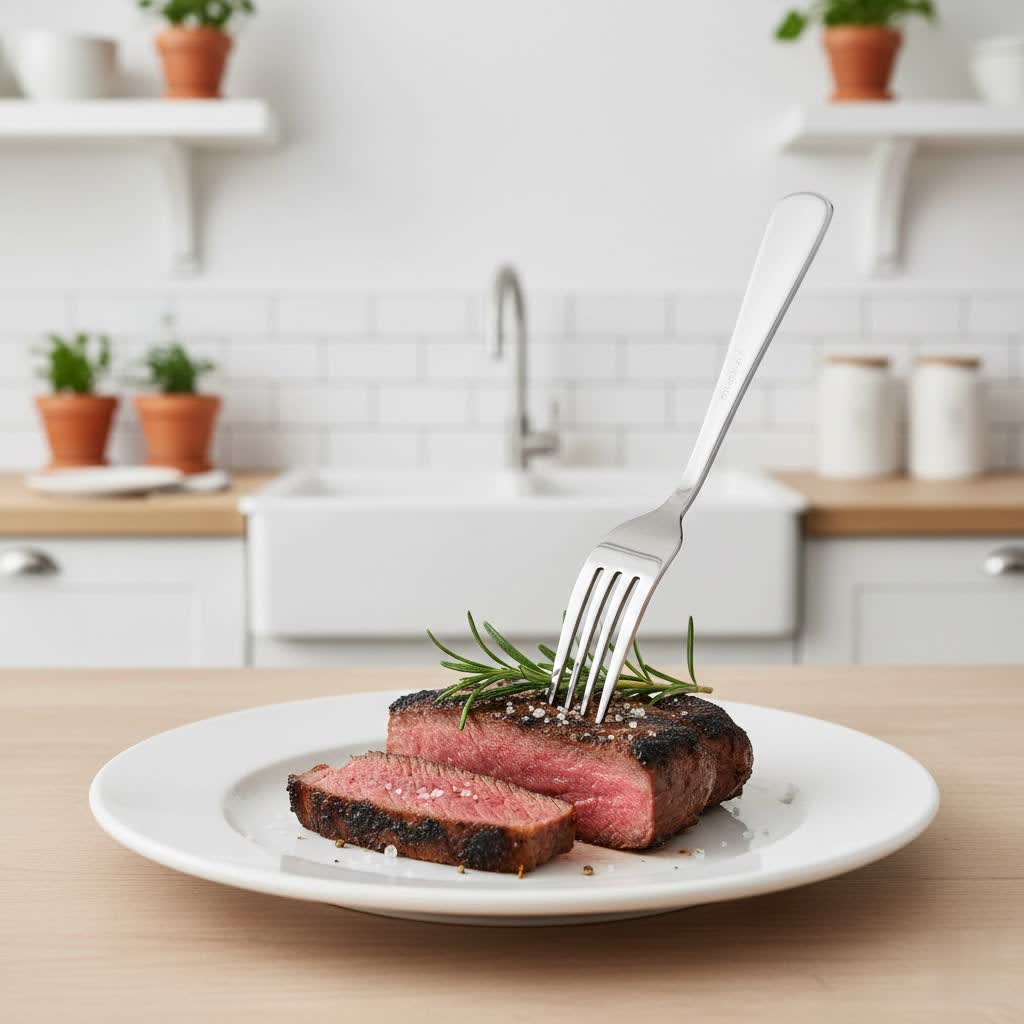
A carving fork is a specialized kitchen tool designed primarily to hold large pieces of meat, such as briskets, roasts, turkeys, and ham, securely in place while they are being carved. Unlike a regular eating fork or a smaller salad fork, carving forks typically feature two long, sturdy, and often sharply pointed tines that are robust enough to pierce and stabilize substantial cuts of meat. This firm grip is paramount for safety and precision, preventing the meat from slipping and allowing for cleaner, more consistent slices with a carving knife.
The distinction between a carving fork and an everyday eating fork is significant. Eating forks are generally smaller with four tines, designed for individual portions and ease of eating. Carving forks, on the other hand, are engineered for heavy-duty tasks, providing leverage and control over large, hot, and often slippery cuts. The benefits of using a dedicated carving fork are manifold: it ensures uniform slices, maximizes meat yield by reducing waste from uneven cuts, enhances safety by keeping hands away from the blade, and overall improves the efficiency and presentation of your meal.
Key Features to Look for in a Carving Fork
Choosing the right carving fork involves understanding several key features that contribute to its effectiveness, durability, and user comfort.
Material: The Foundation of Strength
The material of a carving fork dictates its strength, durability, and how well it maintains its sharp tines.
- High-carbon stainless steel is the most popular choice, offering excellent corrosion resistance, stain resistance, and the ability to hold a sharp point. This material ensures that the tines remain rigid and sharp, even when piercing dense meats or encountering bone.
- Full tang construction, where the metal of the tines extends fully through the handle, is a hallmark of quality. It provides superior balance and durability, making the fork feel like a solid, integrated tool rather than a flimsy attachment.
|
Our Picks for the Best Steak fork in 2026
As an Amazon Associate I earn from qualifying purchases.
|
||
| Num | Product | Action |
|---|---|---|
| 1 | 2 Pieces Meat Fork Stainless Steel Carving Fork with Wood Handle Cooking BBQ Grill Steak Tool for Kitchen Barbecue Serving Cooking Grilling Roasting 10.5 Inches, Round Handle |

|
| 2 | Anolon SureGrip Stainless Steel Meat Fork/Kitchen Tool, 13.25 Inch, Gray,46288 |
|
| 3 | OXO Good Grips Stainless Steel Carving Fork, One size |
|
| 4 | 2 Pcs Carving Fork for Meat 11,8 inch - Stainless Steel Meat Fork with Heat-Resistant Handle for Grilling, Cooking, Serving - Straight and Curved Carving Utensils with Classic Two-Prong BBQ Design |
|
| 5 | Chef Craft Select Meat Cooking Fork, 13 inch, Stainless Steel |
|
| 6 | Meat Cooking Fork Stainless Steel Fork - 10.8" Metal Serving Forks for Meat Carving Heavy Duty Two Prong Meat Fork for Grill Lifting Barbecue Forks |
|
| 7 | Ponpon 2Pcs Meat Forks Stainless Steel Carving Fork with Wooden Handle Barbecue Fork for Cooking Kitchen (2) |
|
| 8 | SUNRISE Stainless Steel Meat Fork 10.5" Fork |
|
| 9 | 2 Pcs Carving Fork for Meat – 12 Inch Stainless Steel Meat Forks for Kitchen, Heat-Resistant Non-Slip Handles – Two-Prong Straight & Curved BBQ Fork for Slicing, Grilling & Serving |
|
| 10 | Kilajojo Chef Pro Stainless Steel Carving Fork 12 Inch |
|
Tine Design: Grip and Precision
The design of the tines is crucial for effectively securing large cuts.
- Carving forks typically feature two long, sharp tines. The length is important for deep penetration and stable holding of thick meats.
- Sharp points allow for easy insertion into the meat without tearing fibers, helping to maintain the integrity and juices of the roast.
- Some forks have straight tines, offering direct piercing power. Others feature slightly curved tines, which can provide better leverage for lifting and maneuvering heavy cuts. The choice between straight and curved often comes down to personal preference and the specific types of roasts you typically carve.
- Bayonet style tines are also favored by some for their precision, allowing for better control when slicing against the fork.
Handle Ergonomics: Comfort and Control
A comfortable and secure grip is vital for safe and efficient carving.
- Look for handles made from materials like non-slip rubber (e.g., silicone), Pakkawood, or G-10 composite. These materials offer excellent grip even when hands are wet or greasy.
- The handle should feel well-balanced in your hand, providing a sense of control without feeling overly heavy or light. An ergonomic design that fits naturally reduces hand fatigue during extended carving sessions, particularly important for large briskets or multiple roasts.
Types of Carving Forks on the Market
Carving forks come in various designs, primarily distinguished by their tine shape and length, each offering subtle advantages for different carving tasks and preferences.
Straight Tine Forks
These forks feature two long, perfectly straight tines. They excel at straightforward piercing and holding, providing direct, unwavering stability for uniform slicing. Many find their simplicity effective for larger, more consistent cuts like turkey breasts or beef roasts.
Curved Tine Forks
With tines that gently arc upwards, curved carving forks are designed to provide enhanced leverage. This slight curve can make it easier to lift and maneuver heavy cuts, such as a whole roast or a large brisket, from a carving board to a serving platter. The curvature can also assist in angling the meat for better slicing precision.
Bayonet Style Forks
Often characterized by long, slender tines that are typically straight, bayonet style forks are favored for their exceptional precision. They allow for very accurate placement into the meat, which can be advantageous when making intricate cuts or when slicing very close to the fork. Their design often lends itself to a more elegant aesthetic.
Top Carving Forks for Brisket and Roasts
When it comes to selecting the best carving forks for substantial cuts like brisket and roasts, several brands stand out for their quality, durability, and ergonomic design. While specific models may vary, these brands consistently deliver tools that meet the demands of home cooks and professional chefs alike.
For those seeking an excellent balance of comfort, control, and reliability, the OXO Good Grips Stainless Steel Carving Fork is frequently praised. Its soft, non-slip handle provides a secure grip, even with wet or greasy hands, making it forgiving for less experienced carvers. The sharp stainless steel tines hold large cuts firmly, ensuring stability for clean slices of roasts, turkey, or brisket. This fork is also often noted for being dishwasher safe, adding convenience to its practical design.
Another top contender is the Wüsthof Classic Carving Fork. Known for its premium, German-forged construction, Wüsthof forks are crafted from high-carbon stainless steel, offering exceptional strength and durability. These forks are renowned for their robust feel and lasting sharpness, making them a significant investment for serious carvers. Both straight and curved tine options are available, catering to different carving styles and preferences.
Mercer Culinary offers carving forks that are highly regarded for their professional-grade quality at accessible prices. Their Genesis and Millennia series carving forks are favored by many for their sharp, sturdy tines and ergonomic handles, which provide excellent balance and comfort during use. These are reliable tools that can withstand frequent use in a demanding kitchen environment.
Other notable brands include Anolon, which often offers durable stainless steel options, and those found in high-quality carving sets from brands like Zwilling J.A. Henckels and Shun. These typically feature excellent material quality and thoughtful designs that enhance the carving experience. When comparing, consider the overall feel, the quality of the steel (ensuring the tines won’t bend easily), and how well the handle fits your hand for ultimate control.
“A quality carving fork isn’t just about holding meat; it’s about confidence. It allows you to focus on the knife work, knowing your centerpiece is perfectly secure.”
How to Choose the Right Carving Fork
Selecting the perfect carving fork involves considering your specific needs, carving habits, and personal preferences to ensure it becomes a valuable addition to your kitchen arsenal.
Determine Your Usage Needs
Consider how often you’ll be carving large briskets or roasts. If you’re a frequent host or a barbecue enthusiast, investing in a high-quality, durable fork is a wise decision. If you only carve occasionally, a more budget-friendly yet sturdy option might suffice. Think about the typical size and type of meat you prepare—larger cuts will benefit from longer, stronger tines.
Prioritize Material Quality
Always opt for a carving fork made from high-quality stainless steel, preferably with a full tang construction. This ensures the tines won’t bend or warp under pressure and that the fork will last for many years. A good quality steel also means the tines will remain sharp and effectively pierce meat without tearing. Avoid overly flexible or soft metals, as these can compromise stability and safety.
Evaluate Design and Ergonomics
The design of the tines (straight, curved, or bayonet style) is a matter of personal preference.
- Straight tines offer direct piercing and a classic look.
- Curved tines can provide better leverage for lifting and turning large pieces.
- Bayonet styles are known for precision.
Equally important is the handle. It should feel comfortable and balanced in your hand. Look for non-slip materials like rubber, Pakkawood, or high-quality composites that provide a secure grip, even when wet or greasy. Test the feel if possible; a fork that feels natural in your hand will make carving much more enjoyable and efficient.
Consult User Reviews
Before making a final decision, take the time to read reviews from other users. Websites, culinary forums, and online retailers often feature feedback on product performance, durability, and user experience. Pay attention to comments regarding tine strength, handle comfort, and overall satisfaction, as these can offer valuable insights into real-world performance.
Care and Maintenance for Your Carving Fork
Proper care and maintenance are crucial for extending the lifespan of your carving fork and ensuring its optimal performance for years to come.
After each use, hand wash your carving fork with mild dish soap and warm water. While some stainless steel forks are advertised as dishwasher safe (like the OXO Good Grips), hand washing is generally recommended to protect the sharpness of the tines and the integrity of the handle materials, especially those made of wood or composite. Harsh dishwasher detergents and high heat can dull the steel and degrade handle finishes over time.
Once washed, immediately dry your carving fork thoroughly with a soft cloth. Allowing it to air dry can lead to water spots or, in rare cases, even rust, particularly if it’s not made from premium stainless steel or if there are minor imperfections. Pay special attention to drying around the base of the tines and where the tang meets the handle, as these areas can trap moisture.
For storage, consider using a knife block, a magnetic strip, or a dedicated drawer organizer that protects the tines. This prevents the sharp points from dulling by rubbing against other utensils and reduces the risk of accidental injury. If the fork came with a protective sleeve or guard, always use it when storing. Regular cleaning and careful storage will ensure your carving fork remains a reliable and safe tool for all your large roast and brisket carving needs.
Conclusion
Choosing the right carving fork is a small but significant step towards achieving carving mastery in your kitchen. It’s not merely an accessory, but a fundamental tool that provides the essential stability and control needed to transform a daunting carving task into a smooth, enjoyable experience. By understanding the importance of high-quality materials like stainless steel, appreciating ergonomic handle designs, and selecting the right tine style, you empower yourself to create perfectly sliced briskets and roasts every time. Investing in a robust carving fork means investing in precision, safety, and the impressive presentation of your culinary efforts. So, are you ready to elevate your carving game and impress your guests with flawlessly presented meals?
Frequently Asked Questions
Are carving forks just for carving?
While their primary purpose is to hold meat steady during carving, carving forks are also excellent for safely transferring large cuts of meat from a roasting pan to a cutting board or serving platter. Their sturdy tines can securely lift heavy items, minimizing the risk of drops or spills.
What’s the difference between a carving fork and a serving fork?
A carving fork is specifically designed with two strong, sharp tines to pierce and stabilize large cuts of meat for slicing. A serving fork, conversely, typically has multiple, shorter tines and is designed for scooping or lifting individual portions of food, not for holding a whole roast during cutting.
How long should a carving fork be for large roasts?
For large briskets and roasts, a carving fork with tines between 6 to 8 inches in length is generally recommended. This length provides sufficient reach and leverage to handle substantial cuts, ensuring a secure grip and making it easier to maneuver the meat while carving or transferring.