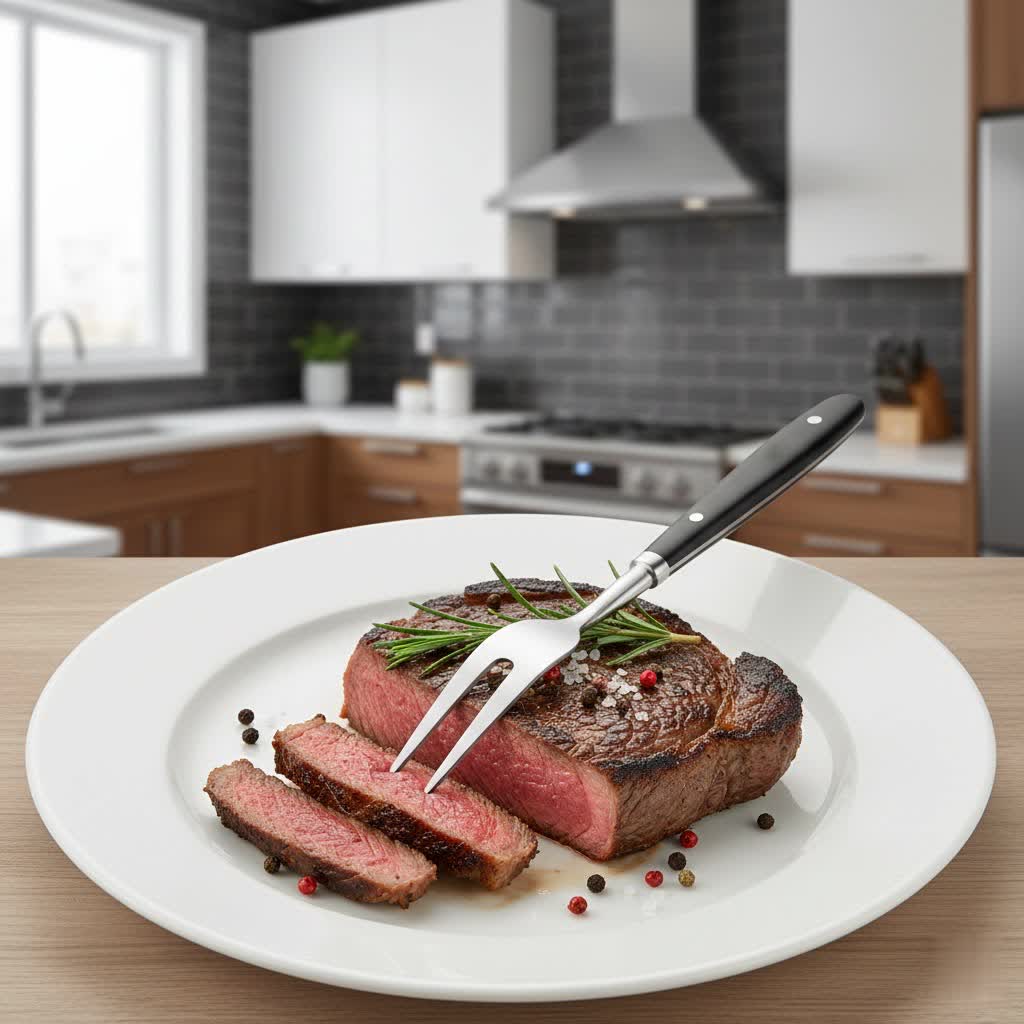
The art of serving a perfectly cooked steak goes far beyond the sizzle and aroma; it extends to the visual appeal of your platter. A truly memorable dining experience isn’t just about taste, but also presentation. This often overlooked detail – the steak serving fork – plays a crucial role in elevating your culinary display. Choosing the right serving fork ensures not only a smooth transfer of meat from platter to plate but also adds a touch of elegance that speaks volumes about your attention to detail.
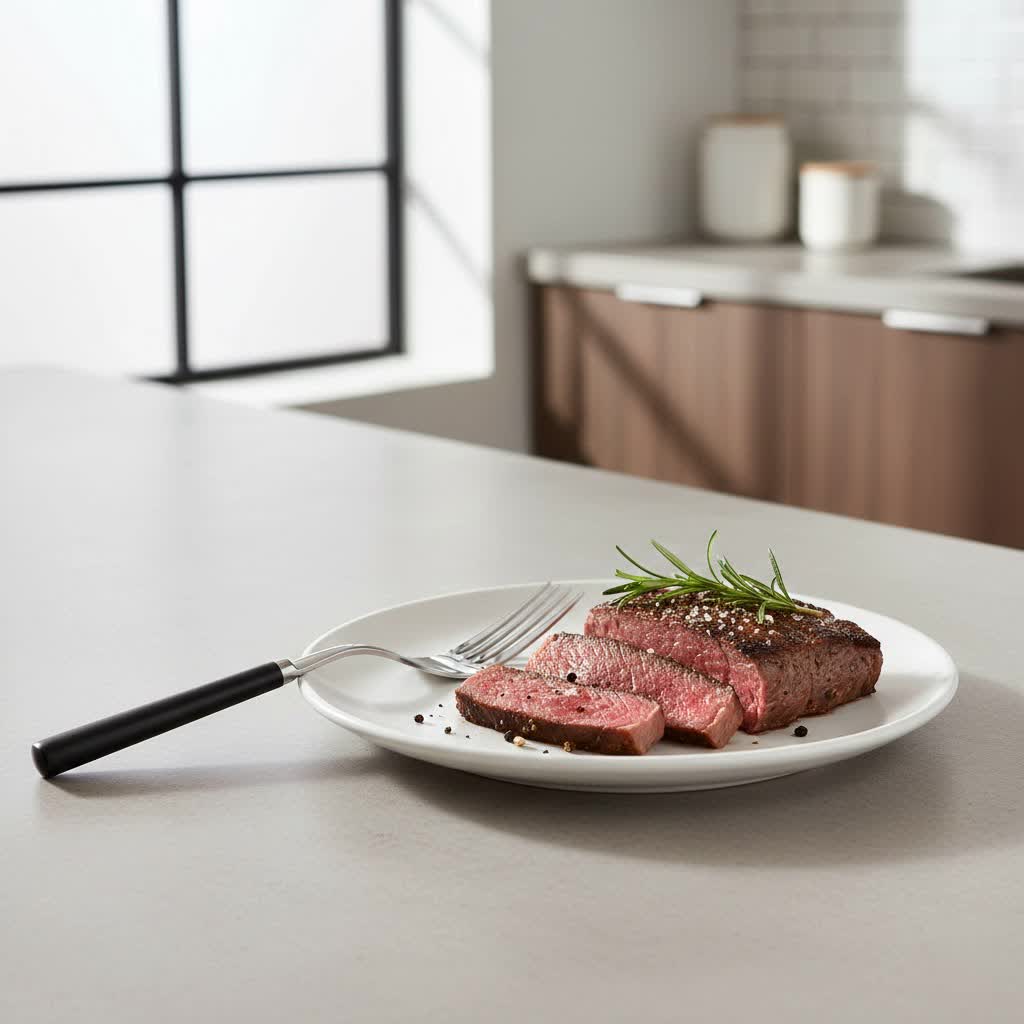
This comprehensive guide will delve into the world of steak serving forks, exploring their unique features, popular types, and essential considerations to help you select the ideal tool for your next steak presentation. Whether you’re a seasoned host or simply looking to refine your home dining, understanding the nuances of these specialized utensils will transform your serving ritual.
What is a Steak Serving Fork and Why Does Presentation Matter?
A steak serving fork is a specialized utensil designed for the efficient and elegant transfer of cooked meats, particularly large cuts of steak, from a communal platter to individual plates. Unlike a standard dinner fork used for eating, or even a general serving fork, a steak serving fork boasts distinct characteristics that cater to the specific demands of handling substantial, often hot, pieces of meat. It is typically longer, more robust, and features fewer, more widely spaced tines to secure and lift heavy cuts without slipping or tearing.
Presentation is paramount in dining for several reasons. Visually appealing food stimulates the appetite and enhances the overall sensory experience. A beautifully arranged platter with the right serving tools signals care and attention to guests, contributing to a more sophisticated and enjoyable meal. A dedicated steak serving fork also ensures hygienic handling, preventing guests from using their personal eating utensils on the main serving platter. Ultimately, it elevates the simple act of serving into an elegant culinary ritual.
Popular Types of Steak Serving Forks
Steak serving forks come in a variety of materials and designs, each offering unique benefits in terms of durability, aesthetics, and functionality. Understanding these distinctions is key to choosing a fork that not only performs well but also complements your dining style.
By Material
The material of your steak serving fork significantly impacts its performance, longevity, and appearance.
-
Stainless Steel: By far the most popular choice, stainless steel offers exceptional durability, resistance to rust and corrosion, and is remarkably easy to clean. It’s a food-safe material that can withstand frequent use and washing, making it ideal for both everyday and special occasions. Stainless steel serving forks are available in various grades, such as 18/0 and 18/8, with different finishes like polished mirror or contemporary matte, allowing for versatile aesthetic integration into any table setting. High carbon stainless steel variations further enhance strength and edge retention, especially when combined with carving knives.
-
Wood/Composite Handles: Many high-quality steak serving forks feature handles crafted from wood (such as rosewood or walnut) or composite materials. These handles are often chosen for their ergonomic grip, providing comfort and control, particularly when carving or handling larger roasts. They also add a warm, classic, or modern aesthetic contrast to the metal tines, enhancing the visual appeal. While sturdy, wooden handles often require hand washing and occasional oiling to maintain their condition and prevent drying or cracking.
-
Silver-plated/Gold-plated: For a touch of luxury and formality, some steak serving forks are silver-plated or gold-plated. These options are primarily chosen for their opulent appearance, making them perfect for formal dinner parties, weddings, or celebratory events where elegance is paramount. While stunning, they typically require more delicate care to prevent tarnishing and scratching, and are generally less durable for heavy-duty serving than their stainless steel counterparts.
By Design and Features
Beyond material, the design and specific features of a steak serving fork dictate its primary use and ease of handling.
-
Two-Tined Forks (Carving Forks): This is the most common design for steak serving forks, often referred to as carving forks. The two widely spaced, strong tines are specifically engineered to pierce and securely hold large, thick cuts of meat, such as roasts, prime rib, or whole turkeys. This design provides maximum stability and leverage, making it easier to steady the meat while carving or transfer it cleanly without dropping or slipping.
-
Three/Four-Tined Forks (Cold Meat Forks): While two-tined forks excel at carving, some serving forks feature three or even four tines. These “cold meat forks” offer increased versatility. They are excellent for serving slices of steak, charcuterie, or smaller portions from a platter. The additional tines can provide a slightly more secure hold for thinner slices or irregularly shaped pieces, and their design often bridges the gap between a carving fork and a general buffet serving fork.
-
Length: A key distinguishing feature of a serving fork is its extended length. Longer handles (typically ranging from 10 to 14 inches or more) provide better reach across large platters and carving boards, ensuring servers can comfortably access and transfer meat without leaning over or struggling. The increased length also offers improved leverage, reducing strain when lifting heavier cuts.
-
Handle Design: The handle’s design directly impacts comfort and control. Ergonomic grips, sometimes with textured surfaces or specific contours, are engineered to fit comfortably in the hand, minimizing fatigue during extended use. Hollow handles are designed for balance and lighter weight, while solid handles can offer a more substantial feel. The aesthetic of the handle—whether sleek and minimalist or ornate and decorative—should ideally align with your overall flatware and table setting style.
Comparing Top Steak Serving Fork Options
When seeking the “best” steak serving forks for platter presentation, it’s less about a single definitive product and more about finding the right balance of quality, functionality, and aesthetic appeal to suit your specific needs. The market offers a wide array of options, from professional-grade carving forks found in high-end steakhouses to elegant designs perfect for home entertaining.
High-quality serving forks, regardless of specific brand, consistently share several attributes. They are often crafted from robust materials like high-grade stainless steel (e.g., 18/8 or 18/10 for excellent corrosion resistance and luster, or high-carbon stainless steel for superior strength and edge retention) and feature sturdy, well-integrated handles that feel balanced in the hand. Brands catering to the restaurant industry, like certain lines from Victorinox, Mercer, or F. Dick, are known for their professional-grade durability and ergonomic designs, often prioritizing function for heavy use. For home use and aesthetic appeal, brands like GoGeiLi, KEAWELL, or even premium lines from IKEA offer stylish stainless steel options that blend seamlessly with elegant dinnerware.
“A superior steak serving fork isn’t just a tool; it’s an extension of your culinary intention. It should feel balanced, secure the meat effortlessly, and look refined on your table.” – Chef Antoine Dubois, Culinary Director at Grand Étoile Bistro
A key differentiator lies in the tine design. For robust carving and presentation of large roasts, a two-tined carving fork with long, sharp, widely spaced prongs provides optimal piercing and stability. For more general serving of pre-sliced steaks or other meats on a buffet, a three or four-tined cold meat fork might offer greater versatility and a slightly broader hold. Some premium sets integrate both, alongside a carving knife, offering a complete solution for various serving scenarios. The finish, whether a brilliant mirror polish for classic elegance or a brushed satin for a modern understated look, also contributes significantly to the overall platter presentation.
How to Choose the Perfect Steak Serving Fork
Selecting the ideal steak serving fork involves a thoughtful consideration of your specific needs, material preferences, design aesthetics, and the value of peer experiences. A well-chosen fork enhances both the practicality of serving and the visual appeal of your table.
Assess Your Serving Needs
Begin by evaluating how and where you’ll primarily use the fork. Do you frequently host large dinner parties with substantial roasts, requiring a heavy-duty carving fork? Or are you looking for a versatile cold meat fork for smaller steak portions and charcuterie boards at casual gatherings? Consider the types of steak and other meats you typically serve. A fork designed for a whole prime rib might be overkill for serving individual pre-sliced sirloins. Also, think about your table setting style—modern, rustic, or traditional—as this will influence the aesthetic choice.
Prioritize Material Quality and Durability
For long-lasting performance, prioritize forks made from high-quality, food-grade materials. Stainless steel is often the preferred choice due to its excellent resistance to rust and corrosion, ease of cleaning, and overall durability. Look for specifications like 18/8 or 18/10 stainless steel for superior quality. If the fork has a handle made of wood or composite, ensure it’s securely attached and made from a material that can withstand repeated use and cleaning. A good serving fork should feel solid and substantial, not flimsy.
Consider Design for Functionality and Aesthetics
The design of the fork is critical for both its utility and its contribution to your table presentation. For secure handling of large meat cuts, a two-tined carving fork with long, sturdy, widely spaced tines is often the most effective. If versatility for various platter items is important, a three or four-tined serving fork might be more suitable. Pay attention to the handle length; a longer handle provides better reach and leverage over large platters. Finally, choose a design that complements your existing cutlery and tableware, contributing to a cohesive and attractive dining setup.
Read Reviews and Expert Recommendations
Before making a final decision, consult reviews from other users and, if available, expert recommendations. Online retail sites, culinary forums, and specialized kitchenware blogs can offer valuable insights into a product’s real-world performance, durability, and ergonomic qualities. Pay attention to comments regarding how easily the fork handles different types of meat, its balance, and its overall aesthetic appeal in a serving context. This feedback can help you gauge satisfaction and identify any potential drawbacks, guiding you towards a well-informed purchase.
Care and Maintenance Tips for Your Steak Serving Forks
Proper care and maintenance are essential to ensure your steak serving forks retain their pristine condition, functionality, and aesthetic appeal for years to come. Neglecting these steps can lead to dullness, rust, or damage, diminishing both their performance and presentation value.
After each use, it’s best to clean your steak serving forks promptly. For stainless steel forks without composite or wooden handles, most are dishwasher safe. However, to maintain their luster and prevent water spots, hand washing with warm, soapy water and immediate towel drying is always recommended. For forks with wooden or composite handles, hand washing is crucial to prevent the handles from warping, cracking, or fading. Avoid abrasive scrubbers or harsh chemical detergents, as these can scratch the finish or damage the materials. Use a soft sponge or cloth to gently clean the tines and handle.
When storing your steak serving forks, ensure they are completely dry to prevent moisture-related damage, especially rust on stainless steel or mold on wooden components. Store them in a cutlery drawer organizer or a dedicated caddy to prevent them from scratching against other utensils. If they are part of a special carving set, consider keeping them in their original presentation box to protect them and maintain their readiness for your next elegant platter presentation. Occasional polishing with a soft cloth designed for stainless steel can help restore their shine and remove any lingering fingerprints or smudges.
Conclusion
The steak serving fork, while a seemingly minor detail, is a fundamental component of an exceptional dining experience, particularly when it comes to platter presentation. It’s more than just a tool; it’s an instrument that ensures hygienic serving, facilitates ease of handling, and elevates the visual appeal of your culinary efforts. From the robust utility of stainless steel to the ergonomic comfort of a composite handle, the best serving fork seamlessly blends durability, functionality, and aesthetic grace.
By understanding the distinct types, prioritizing quality materials, and considering design features tailored to your needs, you can select a steak serving fork that not only performs flawlessly but also contributes to an exquisite table setting. Investing in the right utensil ensures that every steak you present is a testament to your meticulousness, transforming a simple meal into an unforgettable feast. What will be the next perfectly presented dish you serve with your ideal steak fork?
Frequently Asked Questions
What is the difference between a steak fork and a steak serving fork?
A Steak Fork is typically a smaller, individual utensil used by diners to eat steak, often with sharper tines to hold meat securely. A steak serving fork, however, is a larger, more robust utensil designed to transfer cooked meat from a platter to individual plates, emphasizing length, sturdy construction, and usually fewer, widely spaced tines for effective lifting and presentation.
What material is best for a steak serving fork?
High-quality stainless steel (such as 18/8 or 18/10) is widely considered the best material for steak serving forks due to its superior durability, resistance to rust and corrosion, hygienic properties, and ease of cleaning. It also offers versatility in finishes, from mirror polished to matte, to suit various table aesthetics.
How many tines should a steak serving fork have?
Most dedicated steak serving forks, particularly those used for carving and lifting large roasts, feature two long, widely spaced tines. This design provides maximum stability and leverage for securing and transferring substantial cuts of meat. Forks with three or four tines (often called cold meat forks) offer more versatility for serving pre-sliced meats or other platter items.
Can I use a regular dinner fork to serve steak?
While a regular dinner fork can technically be used to move small pieces of steak, it is not ideal for serving from a platter. Dinner forks are typically too short, less sturdy, and lack the optimal tine spacing to securely lift and transfer larger, often hot, cuts of meat effectively and elegantly. Using a proper steak serving fork prevents mess, ensures hygiene, and enhances presentation.
How do I clean and maintain my steak serving fork?
For stainless steel forks, hand washing with warm, soapy water and immediate towel drying is recommended to prevent water spots and maintain shine, though many are dishwasher safe. Forks with wooden or composite handles should always be hand washed and dried thoroughly to prevent damage. Store all serving forks carefully to avoid scratching and ensure longevity.