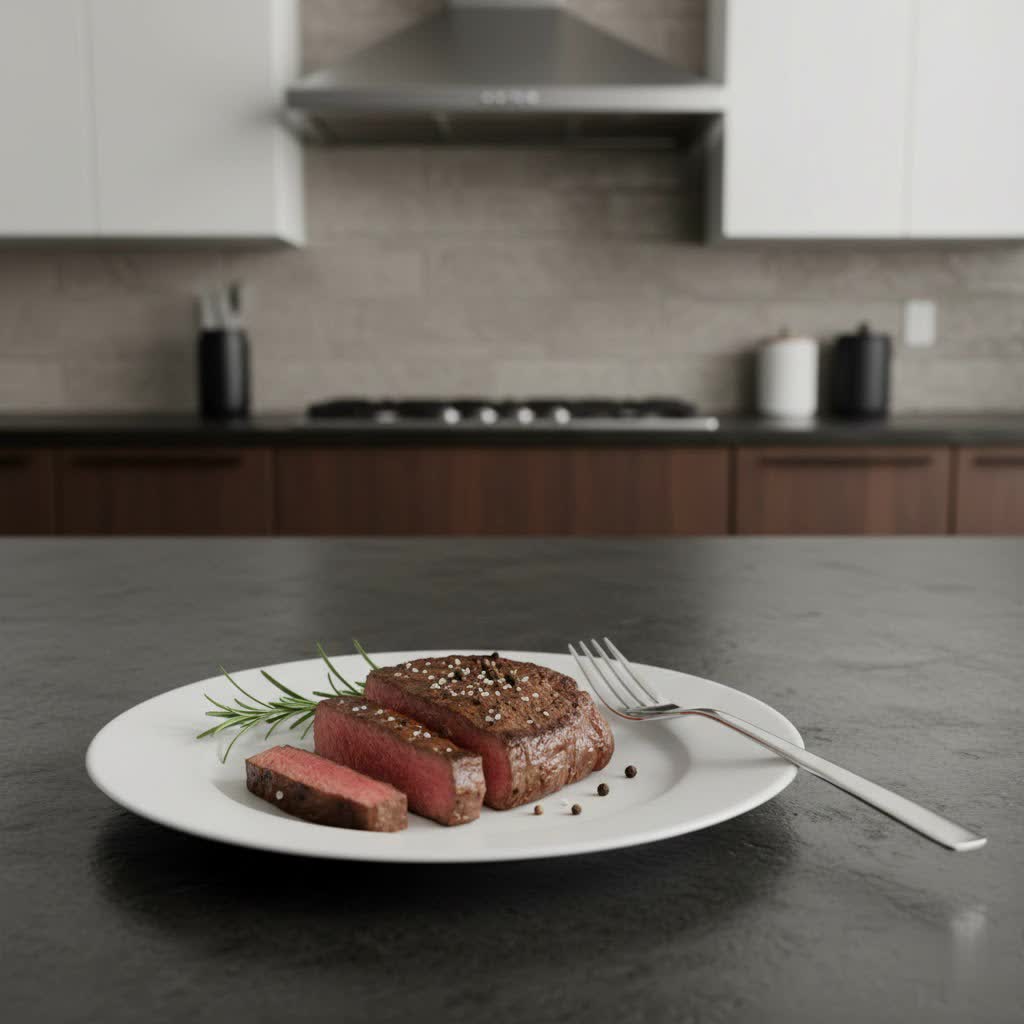
Serving a perfectly cooked steak is an art, and every artist needs the right tools. While a great knife is essential for slicing, a high-quality two-prong pot fork—often referred to as a carving or meat fork—is equally crucial for anchoring the meat, ensuring precise cuts, and presenting your culinary masterpiece with elegance. This specialized utensil prevents your roast from sliding or shifting, making the carving process safer, cleaner, and more efficient, ultimately enhancing the entire dining experience.
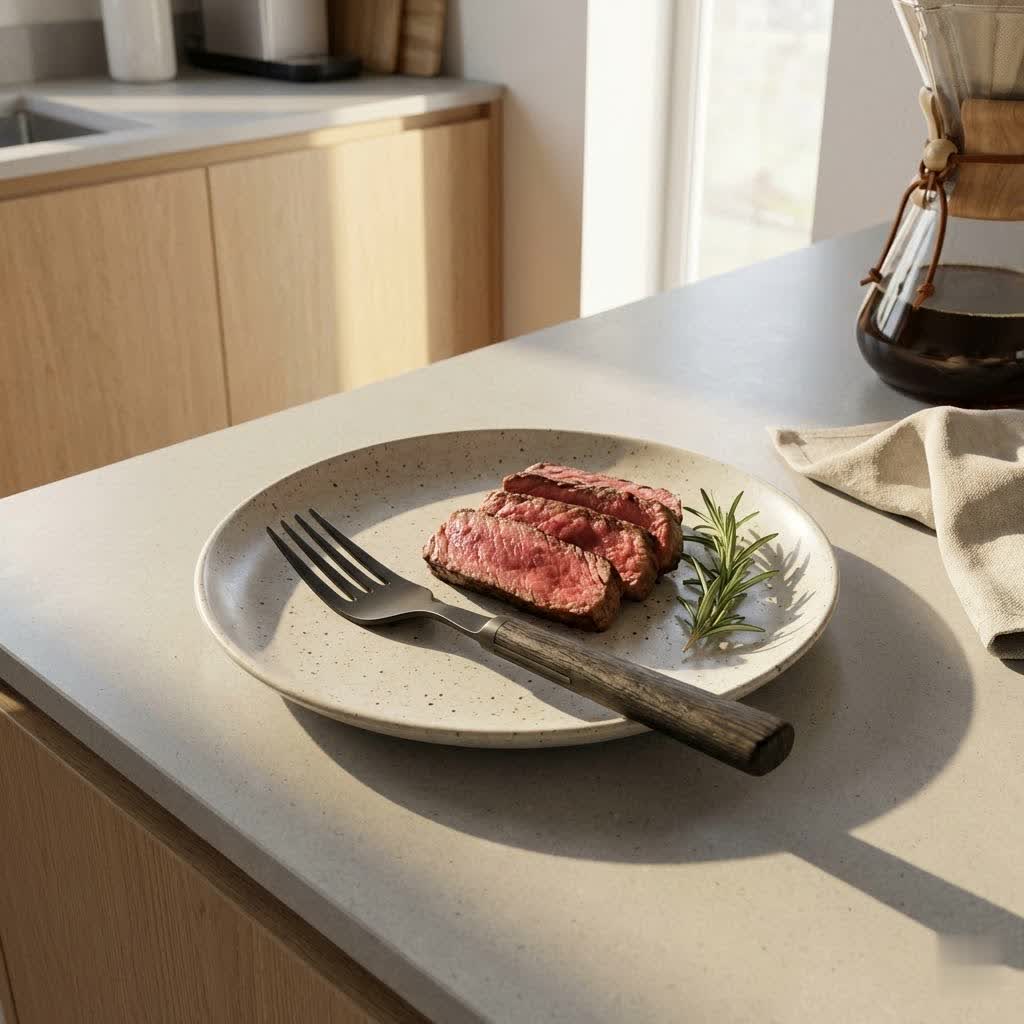
What is a Two-Prong Pot Fork for Serving Steak? Why You Need One
A two-prong pot fork, particularly when designed for serving steak, is a robust utensil characterized by its two long, sturdy tines. Its primary purpose is to securely hold large cuts of meat, such as roasts, poultry, or steak, in place during carving or while transferring them from a cooking vessel to a serving platter. Unlike a regular dinner fork, which typically has four shorter tines and is designed for individual eating, a serving fork boasts a more substantial build and longer prongs to handle heavier and hotter items.
The necessity of a specialized two-prong fork for steak serving stems from several key benefits. First, it provides crucial stability, allowing for consistent, even slices without the meat moving unexpectedly. This precision is vital for both aesthetics and ensuring each piece is uniformly cooked. Second, these forks help maintain hygiene by keeping your hands away from hot meats and sharp knives, preventing accidental burns or cuts during the carving process. Finally, they contribute significantly to presentation, enabling a smooth, elegant transfer of food, which is especially important for special occasions or when serving guests. Some models, like the Babish 6.5-Inch Carving Fork, are specifically highlighted for their ability to keep large pieces of meat in place as you cut and for plating pasta and carving meats.
Popular Types of Two-Prong Serving Forks
Two-prong serving forks come in various configurations, primarily differing in material and design. These distinctions impact their durability, aesthetic appeal, and functional performance.
By Material
The material of a serving fork determines its longevity, ease of cleaning, and overall feel.
- Stainless Steel: The most common and highly recommended material for two-prong serving forks is stainless steel, particularly high-carbon varieties. These forks offer exceptional durability, resisting rust and corrosion even with frequent use. Many models are also dishwasher safe, simplifying cleanup. High-carbon German or Japanese steel options, such as the Babish 6.5-Inch Carving Fork, are praised for their strength and ability to maintain performance over time.
“A lot of folks go for high-carbon stainless steel because it hits the sweet spot—tough against rust, lasts ages, and keeps a sharp edge.” – Dalstrong Culinary Experts, on carving fork materials
- Plated (Gold/Silver): While less common for the tines themselves, some high-end serving forks may feature gold or silver plating on their handles for enhanced aesthetic appeal, suitable for formal dining settings. These often require more delicate care to prevent tarnishing or damage to the plating.
- Wood Handle: Forks with wooden handles, like those found in some CHENGU sets, provide a comfortable, non-slip grip and a classic, warm aesthetic. However, they typically require hand washing to preserve the wood and prevent warping or cracking.
- Other Handle Materials: Many modern forks incorporate ergonomic handles made from materials like silicone, ABS, or Bakelite. These offer excellent grip, even when wet, and often provide heat resistance, making them safer for handling hot roasts directly from the oven or grill. The Anolon SureGrip Stainless Steel Meat Fork, for instance, features a silicone handle and is heat-safe up to 400 degrees Fahrenheit.
By Design
The design of a two-prong serving fork significantly influences its effectiveness for specific tasks.
- Straight Tines: Many chefs and carving enthusiasts prefer straight tines, particularly for carving. This design minimizes the risk of hitting the tines with your carving knife, allowing for cleaner, more precise slices. Straight prongs can go deeper into the meat, providing superior stability for larger pieces.
- Curved Tines: Some carving forks feature slightly curved tines. While this design can be visually appealing and useful for scooping or lifting, some users find that curved tines can interfere with the knife during carving, making it harder to achieve perfectly even slices. The Anolon SureGrip fork, for example, has curved tines designed for easy piercing and grabbing.
- Long Handle: Forks with long handles are advantageous for safety, keeping your hands a comfortable distance from hot meat, ovens, or grills. They are ideal for turning large roasts or lifting food from deep pots. The Lagarto 11-inch Carving Fork is noted for its long, heat-resistant handle.
- Shorter Handle: Shorter handles typically offer more direct control and are often associated with forks used for more intricate carving on a board, where proximity to the meat is desired. The Babish 6.5-inch fork, while versatile, is on the shorter side compared to some serving forks.
Top Two-Prong Pot Forks for Steak: A Comparison
Choosing the best two-prong pot fork often comes down to balancing material quality, design features, and user experience. Here’s a comparison of some notable options that excel in serving steak:
| Brand/Model | Material | Design (Tine Type, Handle) | Key Features/Pros | Cons | Price Range | Overall Suitability for Steak Serving |
|---|---|---|---|---|---|---|
| Babish 6.5-Inch Carving Fork | High-Carbon 1.411 German Steel, Stainless Steel Handle | Straight Tines, Ergonomic Handle | Exceptional durability, comfortable grip, great for carving and plating, dishwasher safe. | Shorter length might not suit all users. | Mid-High | Excellent for precise carving and elegant plating, especially for medium-sized cuts. |
| OXO Good Grips Stainless Steel Carving Fork | Stainless Steel, Stainless Steel Handle | Sharp, Compact Tines, Non-slip Grip | Durable, comfortable non-slip grip (even when wet), optimized for easy transport, dishwasher safe. | Tines might be shorter for very large roasts. | Mid | Reliable and comfortable for general steak carving and serving, good for smaller to medium roasts. |
| Anolon SureGrip Stainless Steel Meat Fork | Stainless Steel, Silicone Handle | Curved, Tapered Tines, Ergonomic SureGrip Handle | Heat-safe up to 400°F, easy to grip, dishwasher safe, durable, curved tines for easy piercing. | Curved tines can be less precise for carving. | Mid | Versatile for both cooking (lifting hot meat) and serving, particularly good for larger roasts. |
| Cyoufine Meat Cooking Fork (10.8″) | Food-Grade Stainless Steel | Two-Prong, Heavy-Duty | Rust and corrosion resistant, non-toxic, thick and sturdy, good for grilling/lifting. | Handle material not specified for grip/heat. | Low | A strong, budget-friendly option for heavy-duty lifting and grilling, robust for large cuts. |
| HOSHANHO Meat Fork 7 Inch | Japanese High-Carbon Stainless Steel 10Cr15CoMoV | Razor Sharp Double-Prong, Professional Design | Exceptional sharpness and durability (62 HRC), precision heat-treated. | Higher price point, relatively shorter. | High | Premium choice for those seeking superior cutting precision and long-term durability. |
How to Choose the Perfect Two-Prong Pot Fork
Selecting the ideal two-prong pot fork involves considering your specific needs, the materials that best suit your preferences, and ergonomic design elements.
Assess Your Usage Needs
Before purchasing, consider how and where you’ll primarily use the fork.
- Frequency: If you frequently carve and serve steak at home, investing in a durable, high-quality fork is worthwhile. For occasional use, a more basic, reliable model might suffice.
- Type of Steak/Roast: For smaller cuts like individual steaks, a fork with slightly shorter tines might offer better control. For larger roasts or whole turkeys, longer, sturdier tines are essential for stability.
- Dining Style: For casual backyard barbecues, a heat-resistant, long-handled fork is practical. For formal dinners, an elegant design that complements your existing cutlery may be a priority.
Material Considerations
The material directly impacts performance and maintenance.
- Prioritize Food-Safe and Durable Materials: Stainless steel, especially high-carbon variants, is highly recommended for its rust resistance, durability, and hygienic properties. It ensures your fork will withstand repeated use and cleaning.
- Handle Comfort and Heat Resistance: A comfortable handle, whether stainless steel, wood, or silicone, is key to reducing hand fatigue. If you plan to use the fork for lifting hot meats from ovens or grills, look for handles that offer good heat insulation and a secure, non-slip grip.
Design and Ergonomics
The fork’s design affects its functionality and ease of use.
- Tine Length and Shape: For precision carving, straight and sufficiently long tines are generally preferred as they secure the meat without interfering with the knife’s path. If your main use is lifting and turning, a slightly curved tine might be more versatile.
- Handle Grip and Balance: A well-balanced fork with an ergonomic handle provides greater control and comfort, which is crucial when handling heavy or slippery meats. The OXO Good Grips fork is praised for its soft, comfortable, non-slip grip, even when wet.
Value User Reviews and Expert Opinions
Always consult reviews from other users and culinary experts. They can provide valuable insights into a fork’s real-world performance, durability, and any potential drawbacks that might not be apparent from product descriptions. Look for consistently high ratings and specific feedback relevant to steak serving and carving.
Care and Maintenance for Your Two-Prong Pot Fork
Proper care ensures your two-prong pot fork remains in excellent condition and lasts for years.
- Cleaning Instructions: For stainless steel forks, most are dishwasher safe, offering convenient and thorough cleaning. However, hand washing with warm, soapy water is always a safe bet, especially for forks with delicate finishes or handles. For forks with wooden handles, hand washing is highly recommended to prevent the wood from drying out, cracking, or warping. After washing, thoroughly dry the fork to prevent water spots and maintain its luster.
- Recommended and Discouraged Cleaning Agents: Mild dish soap is generally sufficient for cleaning. Avoid abrasive scrubbers or harsh chemical cleaners, as these can scratch stainless steel or damage handle materials.
- Storage Tips for Longevity: Store your two-prong pot fork safely to protect its tines and handle. A knife block, a dedicated drawer organizer, or a magnetic strip can prevent dings and scratches that might occur if stored loosely with other utensils. Keeping it dry and protected will help maintain its appearance and structural integrity for a lifetime of service.
Conclusion
Choosing the best two-prong pot fork for serving steak is an investment in your culinary presentation and carving precision. By understanding the different materials, designs, and features available, you can select a tool that not only performs exceptionally but also complements your personal cooking and dining style. From durable high-carbon stainless steel options with ergonomic grips to those with classic wooden handles, the right carving fork will empower you to confidently anchor, slice, and serve your steaks with professional finesse. Elevate your next steak dinner from merely a meal to a memorable culinary event.
What kind of steak do you plan to serve with your new perfect carving fork?
Frequently Asked Questions
What is the difference between a carving fork and a meat fork?
While often used interchangeably, a carving fork typically features longer, narrower tines designed for precisely holding meat during slicing, ensuring even cuts. A meat fork or pot fork can sometimes have a sturdier build and slightly thicker tines, making it more versatile for tasks like lifting heavy roasts from a pot or turning food on a grill. For serving steak, a carving fork’s precision is highly beneficial.
How many tines should a steak serving fork have?
A steak serving fork, often called a carving fork, ideally has two long, sturdy tines. This two-prong design provides maximum stability for anchoring large cuts of meat, allowing for firm control while slicing without piercing the meat excessively. While some serving forks may have three or four tines, two are considered optimal for carving and serving steak effectively.
Can I use a regular dinner fork to serve steak?
While you technically can use a regular dinner fork to serve steak, it is not recommended for optimal results. Dinner forks typically have shorter, often less sturdy tines and are designed for eating, not for securing and transferring large, hot pieces of meat. Using a specialized two-prong serving fork provides better stability, safety, and a more elegant presentation.
What’s the best material for a two-prong serving fork?
High-carbon stainless steel is widely considered the best material for a two-prong serving fork. It offers an excellent balance of durability, rust resistance, and hygiene. This material is known for its strength, allowing for sharp, precise tines that can securely hold meat without bending or breaking. Handles can vary, with stainless steel, wood, and silicone being popular choices for comfort and grip.
How do I maintain the effectiveness of my carving fork?
To maintain your carving fork’s effectiveness, clean it promptly after each use with warm, soapy water, especially for forks with wooden handles that require hand washing. Ensure it’s thoroughly dried to prevent water spots or rust. Store your fork in a way that protects its tines from damage, such as in a knife block or a drawer organizer, to keep them sharp and straight for secure meat handling.
Are longer or shorter handles better for serving steak?
The ideal handle length for serving steak depends on your specific needs. Longer handles offer a safer distance from hot meat and heat sources like ovens or grills, making them excellent for tasks requiring reach. Shorter handles can provide more direct control for precise carving on a cutting board. Many popular carving forks range from 10 to 14 inches in overall length, striking a balance between reach and control.