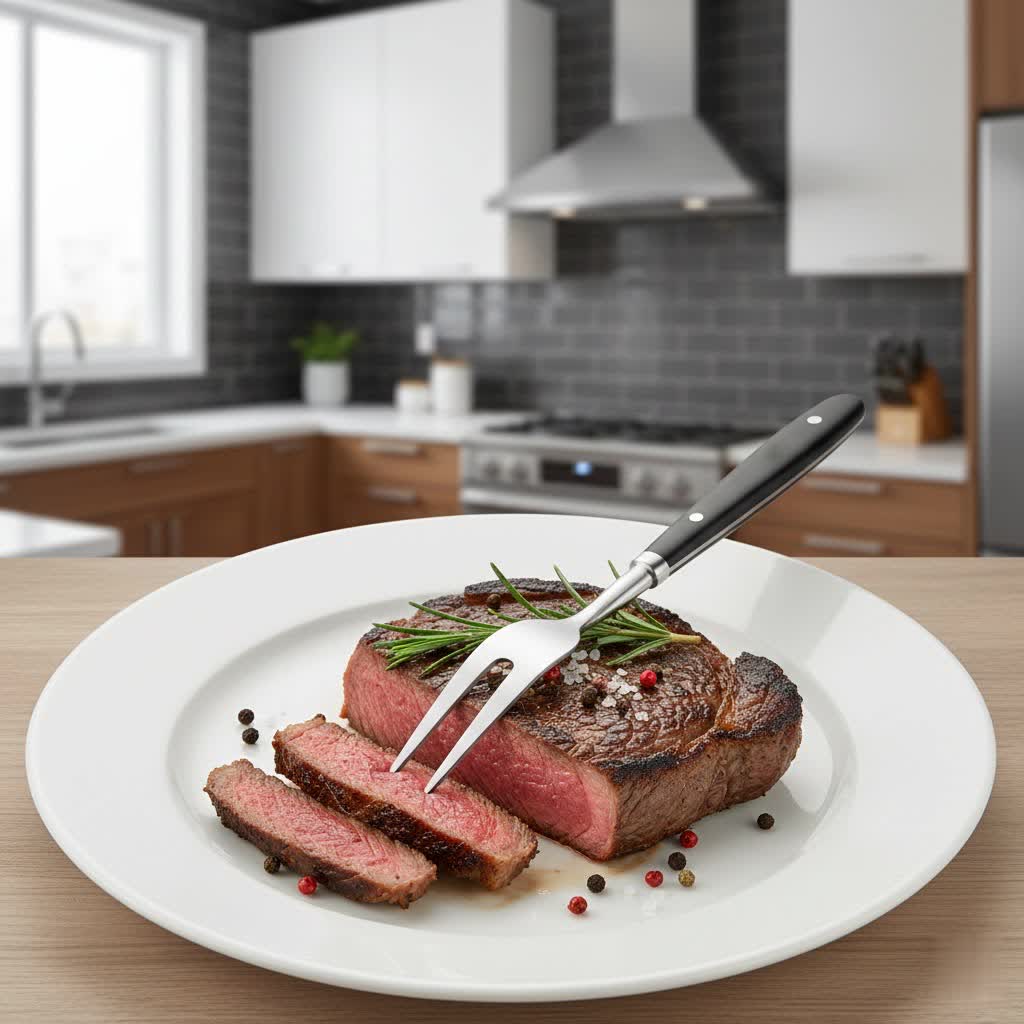
Imagine slicing into a perfectly cooked steak, your fork gliding effortlessly, piercing each succulent piece with precision. For too long, the humble steak fork has been an overlooked hero of the dining table, often an afterthought to its sharper counterpart, the steak knife. But as we look towards 2026 and beyond, a new contender is emerging that promises to elevate your culinary experience: the titanium steak fork. This isn’t just about utility; it’s about introducing a blend of innovation, durability, and sophisticated design that reshapes what we expect from our dining tools.
What is a Steak Fork? Why Do You Need One?
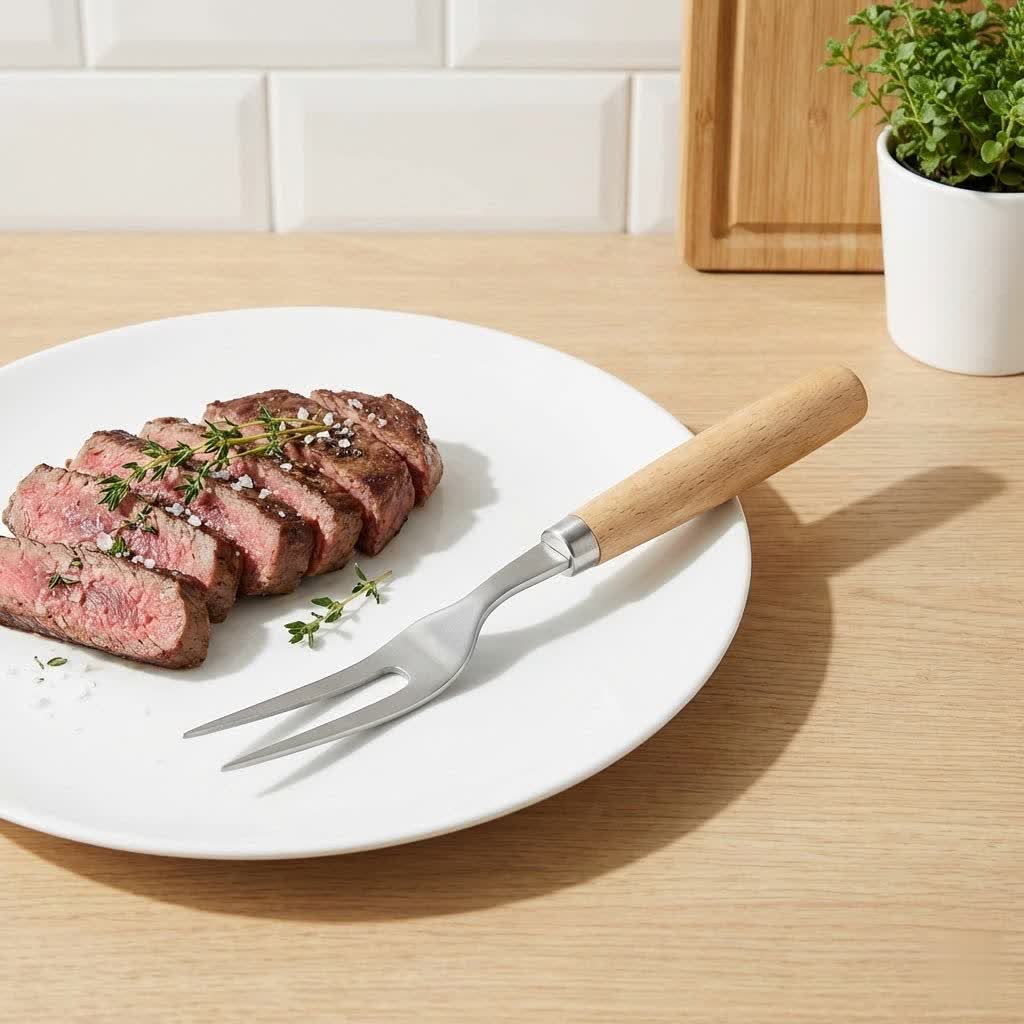
A steak fork is a specialized utensil meticulously crafted to enhance the experience of enjoying hearty cuts of meat. Unlike a standard dinner fork, which is designed for a variety of foods, a steak fork is engineered with a specific purpose: to secure and manage dense, fibrous meats with ease. Its robust construction and distinct tine configuration are what truly set it apart.
The typical steak fork features two to four sturdy, often tapered tines that are more pointed and spaced slightly closer together than those on a regular fork. This design allows for deeper, more secure penetration into the meat, preventing slippage as you cut or lift a portion. For anyone who appreciates a well-prepared steak, from a tender filet mignon to a resilient ribeye, a specialized steak fork transforms the act of eating from a struggle into a seamless pleasure. It provides the stability needed to carve precisely and enjoy every bite without frustration, making it an indispensable tool for serious steak enthusiasts.
Popular Steak Fork Materials and Designs on the Market
The world of steak forks offers a surprising variety, primarily categorized by their material and design. Each option brings its own set of advantages and aesthetics to the dining table.
By Material
The material of a steak fork significantly impacts its performance, durability, and overall feel.
- Stainless Steel Steak Forks: Stainless steel remains the most common material for cutlery, offering a balance of durability, corrosion resistance, and affordability. High-carbon stainless steel, in particular, provides excellent strength and maintains its integrity over time. While stainless steel forks are generally robust and easy to clean, they can sometimes feel heavy or develop water spots if not dried promptly. They are a reliable, everyday choice for most households and restaurants.
- Titanium Steak Forks: Emerging as a premium alternative, titanium steak forks stand out for their exceptional properties. Titanium is renowned for its incredible strength-to-weight ratio; it’s as strong as steel but nearly half the weight, making for an ultralight utensil. This material is also highly resistant to corrosion, rust, and tarnish, ensuring longevity. Furthermore, titanium is non-toxic, hypoallergenic, and non-porous, preventing bacterial growth and the transfer of metallic tastes or odors to food. Its biocompatibility makes it an ideal choice for health-conscious diners. While the initial cost of titanium forks is higher due to complex manufacturing processes, their unparalleled durability and hygienic properties offer long-term value. Some titanium products can also feature anodized finishes, allowing for vibrant, fade-resistant colors.
- Other Materials: While less common for the entire fork, other materials play a role, especially in handles. Silver-plated forks offer a classic, luxurious aesthetic but require more delicate care. Wooden handles, often paired with stainless steel or other metal tines, provide a warm, tactile feel and a rustic charm. However, wood can be susceptible to moisture damage and bacterial retention if not properly maintained.
By Design
Beyond material, the design elements of a steak fork contribute to its functionality and user comfort.
- Tine Configuration: Steak forks typically feature two to four tines. Two-tined forks are excellent for piercing and holding larger, thicker cuts with minimal resistance. Three or four tines offer slightly more surface area and can be versatile for various food types, though the primary function for steak remains precise piercing. The sharpness and taper of the tines are crucial, allowing them to penetrate meat fibers cleanly without tearing them.
- Handle Design: Ergonomics are key for a comfortable dining experience. Steak forks often come with handles designed for a firm, comfortable grip, preventing hand fatigue during prolonged use. Handle length can vary, with longer handles offering a more elegant reach for larger plates, and shorter handles providing more compact convenience. Handle materials, such as ergonomic plastic, wood, or solid metal, influence both grip and aesthetic.
- Weight Distribution: A well-balanced steak fork feels natural in hand, light enough for comfort but substantial enough to provide stability when exerting pressure. This balanced heft is crucial for effortless piercing and holding without the utensil flexing under strain.
Comparing the Best Steak Forks: A Look Ahead to 2026
As we stride into 2026, the dining landscape continues to evolve, with discerning consumers seeking tools that offer not just function but also a superior experience. Titanium steak forks are poised to become a significant player in this future, often standing side-by-side with high-quality stainless steel options.
Here’s a comparison to help you understand their evolving roles:
| Feature | Stainless Steel Steak Forks | Titanium Steak Forks |
|---|---|---|
| Material | High-carbon stainless steel | Pure titanium or titanium alloy |
| Durability | Very durable, resistant to rust and stains | Extremely durable, superior corrosion resistance, won’t rust |
| Weight | Moderate to heavy | Ultralight, significantly lighter than steel |
| Taste/Odor | Can sometimes impart a slight metallic taste (rarely) | Non-reactive, no metallic taste or odor |
| Hygiene | Non-porous, generally easy to clean | Completely non-porous, naturally antibacterial, easy to clean, biocompatible |
| Aesthetics | Classic metallic sheen, can be polished or brushed | Modern matte finish, can be anodized for vibrant colors |
| Price | More affordable, wide range of price points | Premium price point, higher initial investment |
| Availability | Widely available in various designs and sets | Limited but growing availability, often specialized brands |
| Heat Resistance | Excellent | Excellent, can withstand high temperatures without warping |
| Overall Assessment (2026 Outlook) | Reliable, high-performance everyday choice for quality dining. | Premium, innovative choice for luxury, health-conscious, and modern dining experiences. A growing trend. |
By 2026, titanium is not just for outdoor enthusiasts anymore; its inherent qualities are making it a compelling choice for upscale home dining and innovative restaurant settings. Its blend of lightweight design and exceptional resilience makes it a prime candidate for those seeking to elevate their culinary tools.
“The shift towards titanium cutlery reflects a broader trend in dining: a demand for tools that are not only functional but also contribute to health, sustainability, and an enhanced sensory experience.”
Guide to Choosing the Perfect Steak Fork
Selecting the ideal steak fork goes beyond mere aesthetics; it’s about finding a tool that perfectly complements your dining habits and elevates your enjoyment of a great steak.
Define Your Needs
Start by considering how you’ll primarily use the fork. Are you a frequent steak diner at home, hosting elegant dinner parties, or seeking an everyday upgrade? The type of steak you prefer – whether it’s a delicate filet or a robust bone-in ribeye – can also influence the desired strength and tine design. Additionally, consider your existing table setting and dining style; do you prefer a modern, minimalist look or a more traditional, ornate aesthetic? Aligning the fork with your personal style ensures a cohesive and enjoyable dining experience.
Material Considerations
The material is paramount for both performance and longevity. Prioritize materials that are food-safe, non-reactive, and resistant to rust and corrosion.
- For ultimate durability and hygiene, titanium is an excellent investment. Its non-porous surface is naturally antibacterial, and it won’t react with food acids or impart any metallic taste, ensuring pure flavor.
- High-quality stainless steel is a robust and widely available option that offers good resistance to wear and tear. Ensure it’s a good grade of stainless steel for long-lasting shine and performance.
- Consider the ease of cleaning. Titanium, for instance, is notably easy to clean, often requiring just a quick rinse due to its smooth, non-porous nature.
Design Matters
The design elements of a steak fork directly impact comfort and effectiveness. Pay close attention to:
- Tine Configuration: Look for tines that are sharp, tapered, and sufficiently robust to pierce and hold meat firmly without bending. Two to three tines are often ideal for steak, providing precise control.
- Handle Comfort: The handle should feel balanced and comfortable in your hand, offering a secure grip even after extended use. Test the weight and ergonomics if possible to ensure it fits your personal preference. A well-designed handle prevents hand fatigue and enhances the overall dining pleasure.
- Overall Balance: A balanced fork will feel like an extension of your hand, making the cutting and eating process smooth and effortless.
User Reviews and Expert Opinions
Before making a final decision, consult reviews from other users and experts. Online forums, product review sites, and culinary blogs can offer invaluable insights into real-world performance, durability, and any potential drawbacks. Pay attention to comments regarding material quality, handle comfort, and how well the fork performs with different types of steak. This collective wisdom can guide you toward a choice that meets both your expectations and needs.
Tips for Cleaning and Maintaining Your Steak Fork
Proper care ensures your steak forks remain pristine, perform optimally, and last for years, regardless of their material.
Immediately after use, rinse your steak forks to remove any food residues. This prevents food acids and salts from corroding the metal, especially with stainless steel. For washing, use warm water and a mild dish soap with a soft cloth or non-abrasive sponge. Avoid harsh scouring pads or steel wool, as these can scratch the surface and compromise the finish.
For titanium steak forks, cleaning is often remarkably easy due to their non-porous surface, which resists stains and odors. A quick rinse and gentle wipe are usually sufficient. Titanium is generally dishwasher safe, but hand washing with a soft cloth is always recommended to preserve its pristine condition and prevent any potential scratches from other utensils in the dishwasher basket.
For all types of steak forks, thorough drying immediately after washing is crucial to prevent water spots and tarnish. Use a clean, dry microfiber cloth to buff them to a shine. Avoid air-drying, as this can leave mineral deposits. Store your steak forks in a dry place, ideally in a cutlery tray or with dividers to prevent them from rubbing against other utensils, which can cause scratches. With these simple practices, your steak forks will continue to enhance your dining experience for years to come.
Conclusion
As we’ve explored, the world of steak forks is evolving, with titanium emerging as a truly remarkable material set to redefine our dining experiences by 2026. From its unparalleled strength-to-weight ratio and exceptional corrosion resistance to its non-toxic, hypoallergenic, and antibacterial properties, titanium offers a future where elegance meets peak performance. While traditional stainless steel remains a dependable choice, the lightweight feel, hygienic benefits, and modern aesthetic of titanium steak forks offer a compelling upgrade for those seeking the very best. Choosing the right steak fork is a personal journey that influences your enjoyment of every succulent bite.
Are you ready to embrace the future of dining and elevate your steak experience with the innovative sophistication of titanium?
Frequently Asked Questions
What makes titanium cutlery different from stainless steel?
Titanium cutlery is significantly lighter than stainless steel, equally strong, and offers superior corrosion resistance, meaning it will not rust. It is also non-toxic, hypoallergenic, and non-porous, preventing bacterial growth and metallic taste transfer, which are distinct advantages over stainless steel.
Is titanium cutlery safe to use?
Yes, titanium cutlery is extremely safe to use. It is biocompatible, non-toxic, and hypoallergenic, meaning it won’t react with food or release harmful substances. Its non-porous surface also naturally resists bacteria and odors.
Can titanium steak forks scratch my plates?
While titanium is a hard material, its smooth finish typically prevents it from scratching most dinnerware under normal use. However, like any hard utensil, extreme force or carelessness could potentially mark delicate or very soft surfaces.
How do I clean and maintain titanium steak forks?
Titanium steak forks are remarkably easy to clean. Simply rinse them immediately after use and wash with warm water, mild dish soap, and a soft cloth. They are often dishwasher safe, but hand washing is recommended for best care. Dry thoroughly with a microfiber cloth to prevent water spots.
Are titanium steak forks expensive?
Titanium steak forks generally have a higher initial cost compared to traditional stainless steel options. This is due to the material’s rarity and the more complex manufacturing processes involved. However, their exceptional durability and long lifespan often make them a worthwhile long-term investment.
Where can I buy titanium steak forks?
As titanium cutlery becomes more popular, you can find titanium steak forks from specialized outdoor gear retailers (given titanium’s history in ultralight gear), high-end kitchenware stores, and a growing number of online retailers focusing on premium and innovative dining tools.
Will titanium steak forks last longer than stainless steel ones?
Yes, titanium Steak Forks are expected to last significantly longer than many stainless steel alternatives. Their superior corrosion resistance, extreme durability, and resistance to wear and tear contribute to an exceptionally long lifespan, making them a lasting addition to your dining collection.