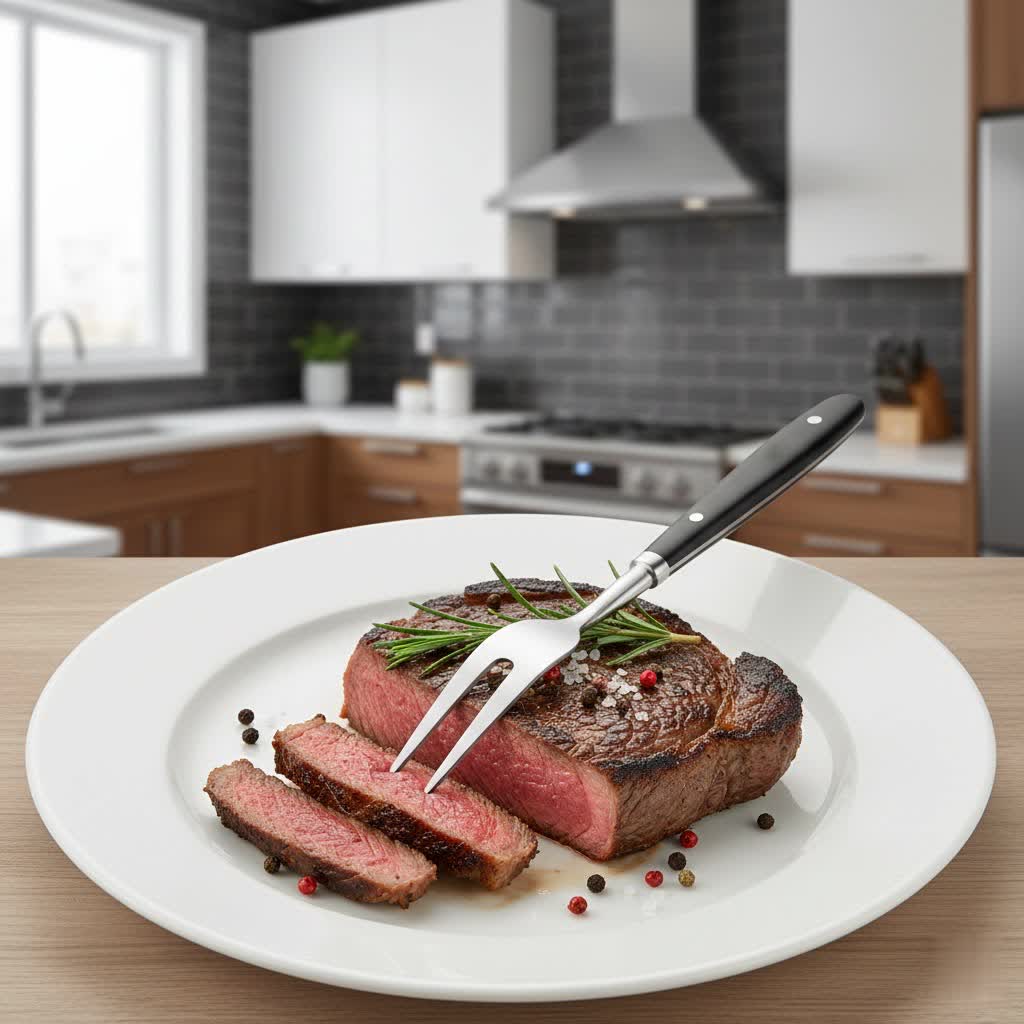
The culinary world has seen remarkable innovations in kitchen tools, with ceramic knives, particularly from brands like Kyocera, revolutionizing how many approach food preparation. Their razor-sharp edges and lightweight design have earned them a dedicated following. This surge in ceramic cutlery naturally leads to a curious question: if ceramic knives are so effective, do ceramic forks exist, and are they practical for daily use, especially for dining experiences like enjoying a perfectly cooked steak? Many wonder if these seemingly futuristic utensils are a viable alternative to traditional metal forks, or simply a novelty. This article delves into the reality of ceramic forks, exploring their existence, design, and suitability for various dining needs, with a special focus on whether leading ceramic innovators like Kyocera have ventured into this unique space.
Kyocera’s Mastery in Ceramic Cutlery: A Look at Their Knives
Kyocera has established itself as a leading manufacturer in advanced ceramics, particularly renowned for its high-quality ceramic knives. These knives leverage a high-tech zirconia material, known for its exceptional hardness and non-corrosive properties, even used in demanding environments like space exploration and underwater applications. This material’s unique characteristics translate into distinct advantages for kitchen knives.
What Makes Kyocera Ceramic Knives Stand Out?
Table is empty.Kyocera ceramic knives are celebrated for several key attributes that set them apart from their steel counterparts. Firstly, their superior sharpness is often described as scalpel-like, allowing for incredibly precise, wafer-thin cuts without tearing delicate ingredients. This sharpness is maintained for extended periods without needing frequent honing or sharpening, a significant time-saver for busy cooks. Secondly, their ultra-lightweight design makes repetitive cutting tasks feel effortless, reducing hand fatigue during long meal preparations. Lastly, ceramic blades are non-reactive, meaning they will not transfer metal ions to food, ensuring that ingredients retain their pure taste and do not brown prematurely due to oxidation. They are also rust-proof and do not absorb odors, contributing to a hygienic cooking experience.
The Achilles’ Heel: Understanding Ceramic Knife Limitations
Despite their impressive qualities, ceramic knives do come with inherent limitations. The very hardness that gives them their exceptional edge also makes them brittle and susceptible to chipping or breaking if dropped on a hard surface or used to cut through bones, frozen foods, or dense items. They are designed for slicing rather than chopping or prying. Sharpening ceramic blades requires specialized diamond sharpeners, as traditional steel hones are ineffective and can damage the edge. While Kyocera offers diamond sharpeners, this adds an extra layer of maintenance distinct from conventional knives.
Does Kyocera Make Ceramic Forks?
Given Kyocera’s prominence in ceramic knives, it is natural to question if they extend their ceramic expertise to forks. However, extensive research indicates that Kyocera does not produce fully ceramic eating forks. Their product line focuses on knives and other kitchen tools where the extreme sharpness and non-reactivity of ceramic are highly beneficial. The brittleness inherent to ceramic material makes it largely unsuitable for the tines of a fork, which require a degree of flexibility and impact resistance to pierce and hold food, especially tougher items like steak, without breaking or chipping.
The Reality of Ceramic Forks: Beyond the Knife
While Kyocera has not ventured into making fully ceramic eating forks, the term “ceramic fork” can still appear in the market, often referring to a different design or purpose.
Ceramic Handles: The Common Form of “Ceramic Forks”
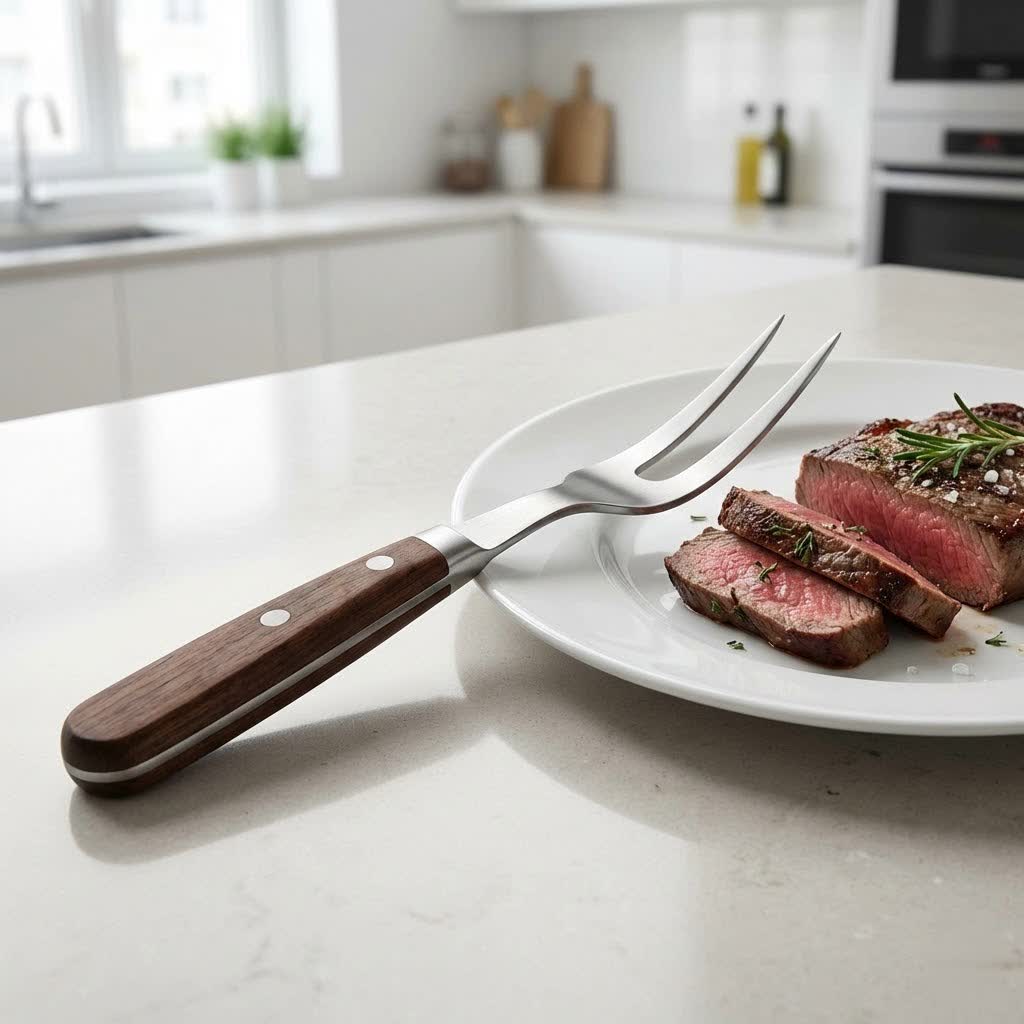
The most prevalent form of “ceramic forks” found commercially features stainless steel tines combined with decorative ceramic handles. These are popular for various purposes, particularly as fruit forks, dessert forks, or part of novelty flatware sets. The ceramic handle adds an aesthetic appeal, offering unique patterns, colors, or ergonomic shapes that enhance the dining experience without compromising the functionality and durability of metal tines. These forks leverage the visual and tactile benefits of ceramic while relying on stainless steel for the critical part of the utensil that interacts with food.
Fully Ceramic Forks: A Practicality Challenge
True, fully ceramic forks, where both the tines and handle are made of ceramic, are exceedingly rare for functional eating. When encountered, they are often artistic creations, handmade crafts, or novelty items not intended for rigorous daily use. The fundamental issue lies in ceramic’s brittleness. While it is incredibly hard and excellent for a knife edge, the slender tines of a fork made entirely of ceramic would be prone to snapping or chipping under pressure, such as when piercing meat or even hard vegetables. This fragility makes them impractical and potentially unsafe for regular dining.
Why Ceramic Forks Aren’t Mainstream (Especially for Steak)
For a steak fork, strength and durability are paramount. You need tines that can firmly pierce and hold a substantial piece of meat without bending, breaking, or chipping. Traditional stainless steel excels here, offering both rigidity and a slight flex that ceramic lacks. The very attributes that make ceramic ideal for knife blades (extreme hardness, fine edge retention) become liabilities for fork tines. A ceramic steak fork would likely shatter or chip upon impact with bone or even tough muscle fibers, making it unsuitable for its primary purpose and posing a safety risk.
“While ceramic revolutionizes cutting, the structural demands of a fork, particularly for hearty meals like steak, simply don’t align with ceramic’s inherent brittleness. Metal, especially stainless steel, remains unmatched for fork tines due to its blend of strength and resilience.”
Materials Beyond Ceramic: What Makes a Good Fork?
Understanding why ceramic forks haven’t taken off highlights the importance of material science in cutlery design. Forks require a delicate balance of strength, rigidity, and some degree of resilience.
Stainless Steel: The Undisputed King of Forks
For everyday use and specialized tasks like eating steak, stainless steel is the undisputed king of fork materials. Its advantages are numerous:
- Durability: Highly resistant to bending, breaking, and general wear and tear.
- Corrosion Resistance: It won’t rust or stain, even with acidic foods or repeated washing.
- Hygiene: Non-porous surface, easy to clean, and dishwasher safe.
- Affordability & Variety: Available in a vast range of qualities (e.g., 18/10, 18/8, 18/0) and designs to suit any aesthetic or budget.
- Practicality: Provides the necessary strength and stiffness to pierce and hold food securely.
Other Materials for Fork Handles
While the tines are almost universally metal for functional forks, handles can be crafted from diverse materials, offering aesthetic and ergonomic variations. These include:
- Wood: Offers a warm, natural feel and unique grain patterns. Requires careful washing to prevent warping or cracking.
- Plastic/Resin: Lightweight, often colorful, and highly durable. Can be molded into various ergonomic shapes.
- Composite Materials: Engineered for specific properties like enhanced grip, heat resistance, or unique visual effects.
- Ceramic: As discussed, ceramic handles provide a decorative and refined touch, often paired with stainless steel tines for smaller, lighter-duty forks.
Choosing the Right Fork: Focus on Functionality and Durability
When selecting forks, especially for specific dishes like steak, prioritizing functionality and durability over novelty is crucial.
Assessing Your Needs
Consider how and where the forks will be used:
- Everyday Dining: Look for durable, dishwasher-safe stainless steel forks that can withstand frequent use.
- Formal Occasions: Aesthetic appeal, balance, and a polished finish become more important, though stainless steel or silver-plated options remain practical.
- Specific Foods (e.g., Steak): A dedicated steak fork should have robust, sharp tines and a comfortable, sturdy handle to provide leverage and control when cutting and eating tougher meats. Look for high-quality stainless steel, often with a heavier gauge for added strength.
Material Considerations
For the working part of the fork – the tines – always prioritize high-quality stainless steel. This ensures longevity, performance, and safety. For handles, the choice expands to include various materials, including ceramic, which can add beauty and a unique feel. When choosing forks with ceramic handles, ensure the join between the ceramic and the metal tines is secure and well-made to prevent separation over time.
Care and Maintenance for Your Cutlery Collection
Proper care ensures the longevity and performance of your cutlery, whether it’s ceramic knives or traditional metal forks.
For Kyocera ceramic knives, hand washing with mild soap and water is recommended. Avoid harsh abrasives or dishwashers, which can chip or dull the blade. Store them in a knife block or with blade covers to protect the delicate edge. If sharpening is needed, use only a Kyocera diamond sharpener.
For metal forks (including those with ceramic handles), most stainless steel options are dishwasher safe, though hand washing can preserve their finish, especially for those with decorative handles. For forks with ceramic handles, avoid extreme temperature changes and harsh impacts that could crack the ceramic. Dry them thoroughly to prevent water spots and store them carefully to avoid scratching.
Conclusion
The fascination with ceramic cutlery is well-founded, particularly with the impressive performance of ceramic knives from innovators like Kyocera. However, the unique properties that make ceramic ideal for blades – extreme hardness and sharpness – are precisely what limit its application for eating forks. While the idea of a fully ceramic fork might spark curiosity, the reality is that its inherent brittleness makes it impractical and potentially hazardous for daily dining, especially for tasks requiring piercing and leverage, such as enjoying a steak.
Instead, the market offers stylish and functional stainless steel forks, often complemented by elegant ceramic handles, marrying the best of both worlds. So, while Kyocera has mastered the ceramic knife, the quintessential eating fork, particularly the robust Steak Fork, remains firmly in the domain of durable, resilient metals like stainless steel. The next time you sit down to a meal, you can appreciate the thoughtful engineering behind each piece of cutlery, recognizing that the perfect tool is always one designed with its specific function in mind.
What material do you believe offers the ideal balance of elegance and performance for your everyday dining forks?
Frequently Asked Questions
Are ceramic forks durable enough for daily use?
Fully ceramic forks are generally not durable enough for daily use due to the material’s inherent brittleness, making them prone to chipping or breaking. However, forks with stainless steel tines and ceramic handles are common and can be quite durable for daily use, provided the ceramic handles are handled with care to avoid impact.
Does Kyocera produce any ceramic forks?
Based on available product information and reviews, Kyocera, a renowned manufacturer of ceramic knives, does not appear to produce fully ceramic eating forks. Their expertise in ceramic cutlery is focused on knives, where ceramic’s hardness and sharpness offer distinct advantages.
What are the benefits of ceramic handles on forks?
Ceramic handles on forks primarily offer aesthetic and ergonomic benefits. They allow for unique designs, colors, and textures, enhancing the visual appeal of flatware. They can also provide a comfortable grip, and some appreciate the distinct tactile sensation compared to all-metal handles.
Can fully ceramic forks be sharpened?
Unlike ceramic knives which require specialized diamond sharpeners to maintain their edge, the concept of “sharpening” a fully ceramic fork is not applicable. Forks are designed for piercing and holding food, not for cutting with an edge, so their tines do not need sharpening in the same way a knife blade does.