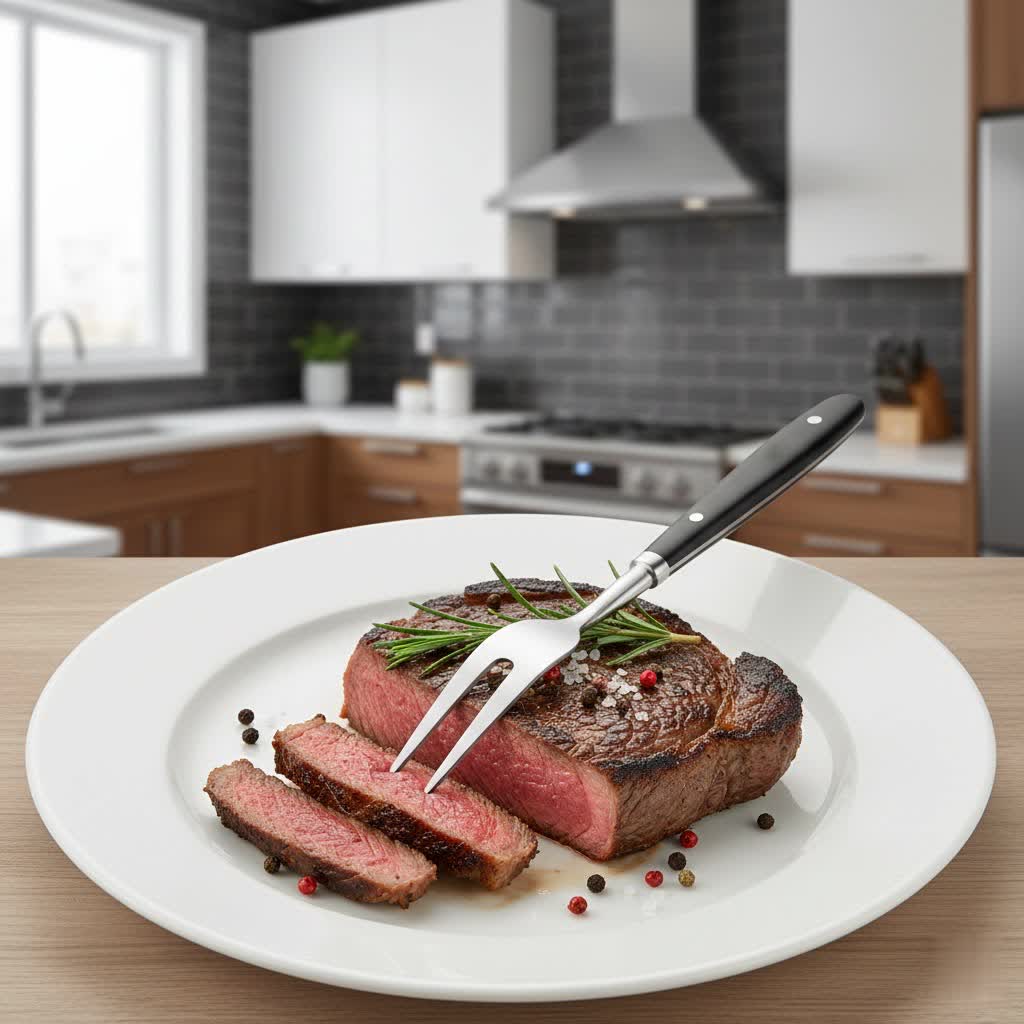
For many, the act of enjoying a perfectly cooked steak is a culinary ritual, and the right tools elevate this experience. Among them, a quality steak fork plays an indispensable role. But beyond the tines, the handle material often dictates not only the fork’s aesthetics but, crucially, its long-term durability. The choice between a classic wooden handle and a modern synthetic one is more than just personal preference; it’s a decision that impacts maintenance, resilience, and how your fork withstands the rigors of regular use. This article delves into the inherent durability of wood and synthetic handle materials, helping you make an informed choice for your next steak fork.
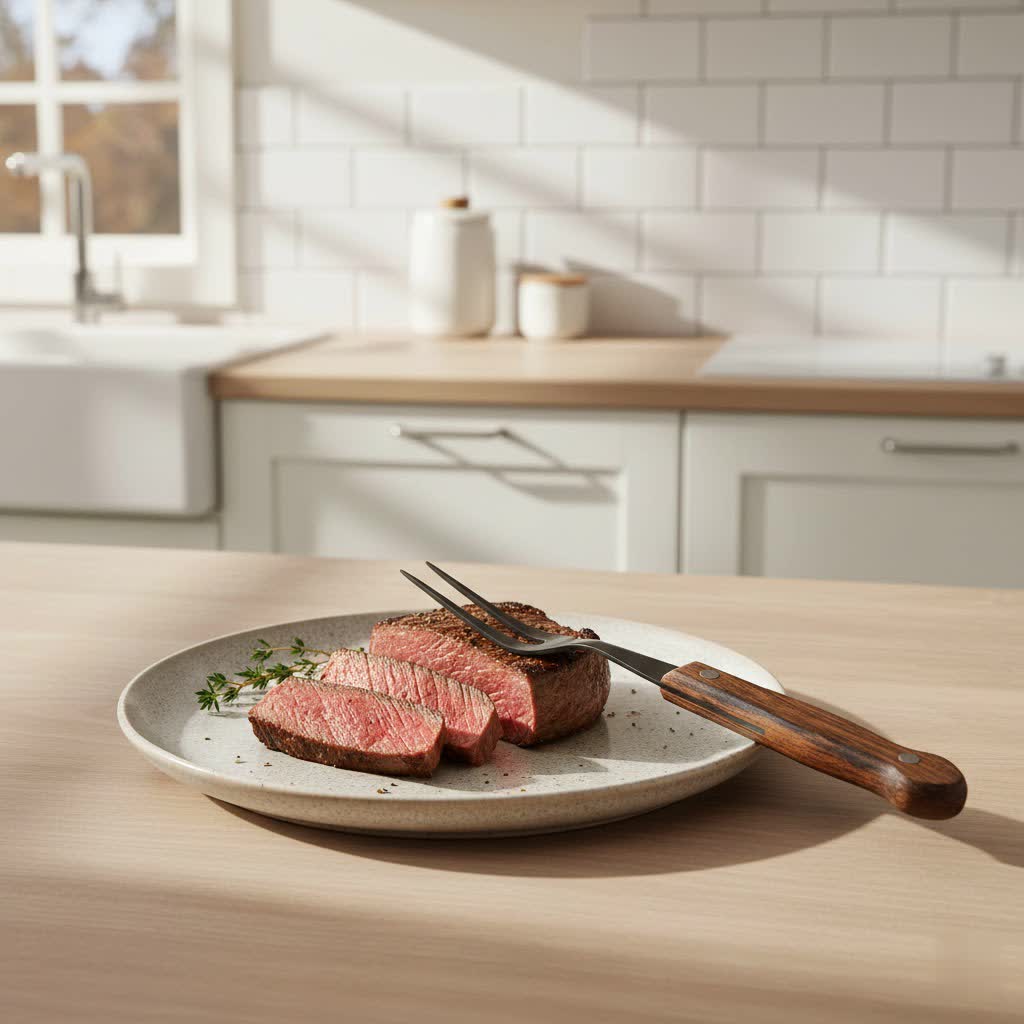
What is a Steak Fork? Why Do You Need One?
A steak fork is a specialized utensil designed to complement the experience of eating tougher cuts of meat. Unlike standard dinner forks with their gently curved, often shorter tines, steak forks typically feature longer, sharper, and sometimes slightly more pointed tines. This design allows for a secure grip on the meat, preventing it from slipping or tearing as you cut and transfer it to your mouth.
Distinguishing a steak fork from other common table forks, such as dessert or salad forks, is key. Dessert forks are usually smaller with three or four tines, often with one wider, flattened tine for cutting. Salad forks might be slightly shorter and broader to handle leafy greens. The robust construction and sharper tines of a steak fork provide superior leverage and stability when piercing and holding steak, enhancing control and making each bite more enjoyable. A well-designed steak fork, with a comfortable and durable handle, transforms the practical act of eating into a refined dining experience, ensuring your focus remains on the flavor, not the struggle with your utensil.
Popular Steak Fork Handle Materials: Wood vs. Synthetic
The handle of a steak fork is where ergonomics meet aesthetics, and the choice of material significantly influences both. Understanding the characteristics of wood and synthetic options is crucial for assessing their durability.
Wood Handles
Table is empty.Wooden handles embody tradition, warmth, and a unique natural beauty. Common types used for cutlery include pakkawood (a resin-impregnated wood composite known for stability), olive wood, rosewood, and ebony. Each offers distinct grain patterns and hues, adding a touch of elegance to any table setting.
The primary advantage of wood lies in its natural feel and aesthetic appeal. It offers a warm, comfortable grip that often conforms well to the hand over time, making for a secure hold. When properly cared for, wood can develop a beautiful patina, enhancing its character.
However, wood also comes with specific durability considerations. It is susceptible to moisture and temperature fluctuations, which can lead to cracking, warping, swelling, or staining if not maintained diligently. Wood handles are generally not dishwasher safe; prolonged exposure to water and harsh detergents can strip natural oils, compromising their integrity and appearance. They require regular oiling and immediate drying after hand washing to preserve their beauty and structural stability. Stabilized wood, treated with resin to fill voids and increase density, offers improved resistance to these issues, blending aesthetic appeal with enhanced durability.
Synthetic Handles
Synthetic handles, crafted from materials like G-10, Micarta, POM (polyoxymethylene), or various other high-grade plastics and resin composites, represent a modern approach to cutlery design. These materials are engineered for performance and resilience.
Their main advantages center around superior durability and minimal maintenance. Synthetic handles are highly resistant to water, heat, impact, and wear. They won’t warp, crack, or swell from moisture exposure, making many synthetic options dishwasher safe and ideal for demanding kitchen environments or frequent use. Materials like G-10 and Micarta, made from layers of resin-infused fabric, offer exceptional toughness and a secure, non-slip grip, even when wet.
While synthetic handles may lack the natural warmth and unique grain of wood, their consistent performance, hygiene, and robustness are undeniable. They are designed to withstand the test of time and heavy use without the need for special care, offering a practical, reliable choice for those prioritizing function and longevity.
A Closer Look at Durability: Wood vs. Synthetic Handles
When we talk about steak fork durability, we’re primarily examining how well each material stands up to environmental stressors, physical wear, and the passage of time.
Water and Heat Resistance
This is where the starkest differences between wood and synthetic handles emerge. Wood is inherently porous and reactive to moisture and temperature. Without proper care, repeated washing, especially in a dishwasher, will cause wood handles to dry out, leading to cracks, splinters, or warping. Hot water and aggressive detergents can also bleach or stain the wood, diminishing its appearance. To maintain wood’s integrity, hand washing and immediate drying are essential, followed by periodic oiling.
In contrast, synthetic handles are engineered for superior resistance to water and heat. Materials like POM, G-10, and Micarta are non-porous and largely unaffected by moisture, making them highly resistant to swelling, cracking, or staining. Many synthetic handles are entirely dishwasher safe, offering unparalleled convenience and hygiene. Their stability under varying temperatures ensures they maintain their form and function over time, even with regular exposure to hot water.
Impact and Wear Resistance
The ability to withstand accidental drops, bumps, and general wear and tear is another critical aspect of durability. Wood handles, while sturdy, can be susceptible to chipping, denting, or deep scratches upon impact, particularly softer wood types. Over time, friction from handling or aggressive cleaning can also lead to wear on the finish. While stabilized wood offers improved resistance, it’s still generally less impervious to harsh physical treatment than many synthetics.
Synthetic materials typically excel in impact and wear resistance. G-10 and Micarta, for example, are renowned for their exceptional toughness and ability to shrug off bumps and scrapes. They are far less likely to chip or crack from an accidental fall and maintain their finish remarkably well even with heavy daily use. This makes them a more forgiving option for busy kitchens or households where durability is paramount.
Longevity and Maintenance
Ultimately, longevity is often a function of both inherent material properties and the level of care provided. A wood handle, meticulously hand-washed, dried, and oiled regularly, can last for decades, developing a rich character and patina. However, neglect or improper cleaning will significantly shorten its lifespan, leading to irreversible damage.
“While wood offers an unmatched classic aesthetic, its long-term durability is directly proportional to the care it receives. Synthetics, on the other hand, provide a ‘set it and forget it’ robustness that appeals to modern lifestyles.” – Chef Eleanor Vance, Culinary Tool Expert
Synthetic handles generally offer superior longevity with minimal maintenance. Their resistance to environmental factors means they retain their structural integrity and appearance with little more than standard cleaning. They resist fading, staining, and degradation, ensuring consistent performance for years without the need for special treatments or conditioners. For those who value practicality and a worry-free experience, synthetics often present a more durable, low-maintenance choice.
Choosing Your Perfect Steak Fork: Beyond Durability
While durability is a crucial factor, the “perfect” steak fork handle also aligns with your lifestyle, aesthetic preferences, and budget.
Lifestyle and Usage
Consider how you intend to use and care for your steak forks. If you frequently entertain, prioritize convenience, or prefer the ease of a dishwasher, synthetic handles are likely your best bet. Their resilience to water and harsh cleaning ensures they can handle heavy rotation without degradation. For those who appreciate the ritual of hand-washing fine utensils and are willing to commit to regular maintenance, wood handles offer a rewarding experience and a connection to traditional craftsmanship. Think about your preferred dining style—casual family meals versus formal dinners—and let that guide your decision.
Aesthetic Preferences
The visual and tactile experience of your cutlery greatly influences your dining pleasure. Do you gravitate towards the timeless elegance and natural warmth of wood, or do you prefer the sleek, modern lines and consistent finish of synthetic materials? Wooden handles provide an organic, unique look with variations in grain and color, which can beautifully complement traditional or rustic table settings. Synthetic handles, often available in a wider array of colors and textures, can provide a contemporary flair that suits minimalist or modern decor. Matching your steak forks to existing cutlery sets or your overall dining aesthetic is also a consideration.
Budget Considerations
Initial cost can vary significantly between wood and synthetic options, and this often reflects the material quality and craftsmanship. While some high-end stabilized woods or exotic hardwoods might command a premium, certain synthetic options, especially those using advanced composites like G-10 or Micarta, can also be quite expensive due to their superior engineering. Beyond the purchase price, factor in the long-term value. A well-cared-for wooden fork can last a lifetime, but if maintenance is neglected, its lifespan (and therefore value) can diminish. Synthetics, with their low maintenance and high resistance, often offer excellent long-term value due to their inherent robustness and reduced need for replacement.
Caring for Your Steak Fork Handles
Proper care is essential, regardless of the handle material, to maximize the lifespan and preserve the beauty of your steak forks.
Wood Handle Care
Caring for wood handles requires a gentle touch and consistent attention. Always hand wash your wooden steak forks immediately after use with mild soap and lukewarm water. Avoid abrasive scrubbers that can scratch the surface. Crucially, dry the handles thoroughly with a soft cloth immediately after washing; never leave them to air dry or soak in water, as this can lead to swelling, cracking, or warping.
To maintain the wood’s luster and prevent drying, periodically apply a food-safe mineral oil or wood conditioner. This replenishes the natural oils, protecting the wood and enhancing its natural beauty. Store wooden handle forks in a dry environment, away from extreme temperature fluctuations or direct sunlight, to prevent damage.
Synthetic Handle Care
Synthetic handles are much more forgiving, making them ideal for a busy lifestyle. Many synthetic materials, such as those made from high-grade plastics or composites like G-10 and Micarta, are dishwasher safe. However, always check the manufacturer’s recommendations to confirm. If hand washing, a simple scrub with soap and water is usually sufficient.
Unlike wood, synthetic handles do not require special oiling or conditioning. They are designed to withstand regular washing without losing their integrity or appearance. Their resistance to chemicals also means they tolerate standard kitchen cleaners well. For optimal longevity, store synthetic handle forks in a way that prevents scratching the handle or dulling the blade, such as in a cutlery tray or knife block.
Conclusion
Choosing between wood and synthetic handles for your steak forks involves weighing the timeless appeal and unique feel of natural materials against the modern resilience and low-maintenance convenience of engineered options. Wood handles offer unparalleled aesthetic warmth and a comfortable grip, but demand a commitment to diligent care to prevent common durability issues like cracking and warping. Synthetic handles, conversely, provide superior resistance to water, heat, and impact, often with the added benefit of being dishwasher safe, making them a practical choice for enduring performance.
Ultimately, the best handle material is one that aligns with your lifestyle, aesthetic preferences, and willingness to invest in maintenance. By understanding the inherent durability and care requirements of each, you can select steak forks that not only enhance your dining experience but also stand the test of time, meal after delicious meal. What qualities do you value most in your steak fork handles—classic elegance or modern robustness?
Frequently Asked Questions
Are wood handle steak forks safe for the dishwasher?
No, most wood handle steak forks are not dishwasher safe. Prolonged exposure to hot water, harsh detergents, and high-heat drying cycles in a dishwasher can cause the wood to dry out, crack, warp, or swell, severely damaging the handle. It is always recommended to hand wash wood handles and dry them immediately.
How often should I oil my wooden steak fork handles?
The frequency of oiling depends on how often you use and wash the forks. A good rule of thumb is to oil them every 1-3 months, or whenever the wood appears dry or dull. Use a food-safe mineral oil or wood conditioner, applying a thin coat and allowing it to soak in before wiping off any excess.
Which synthetic handle material is the most durable for steak forks?
Materials like G-10 and Micarta are generally considered among the most durable synthetic handle materials for Steak Forks. They are composite materials made from layers of resin-infused fabric, offering exceptional resistance to impact, moisture, heat, and wear, while also providing a secure grip.
Do synthetic handles feel as comfortable as wood handles?
Comfort is subjective. While wood offers a natural warmth and conforms to the hand over time, synthetic handles are often ergonomically designed for comfort and a secure grip. Some people may find synthetics less “warm” or natural, but their consistent texture and non-slip properties are highly valued for functionality.
Can stabilized wood handles go in the dishwasher?
While stabilized wood is more resistant to moisture and temperature changes than untreated wood due to its resin infusion, it is still generally not recommended for dishwasher use. The high heat and harsh chemicals can eventually degrade the resin or damage the wood fibers, compromising its integrity over time. Hand washing is always the safest option for longevity.