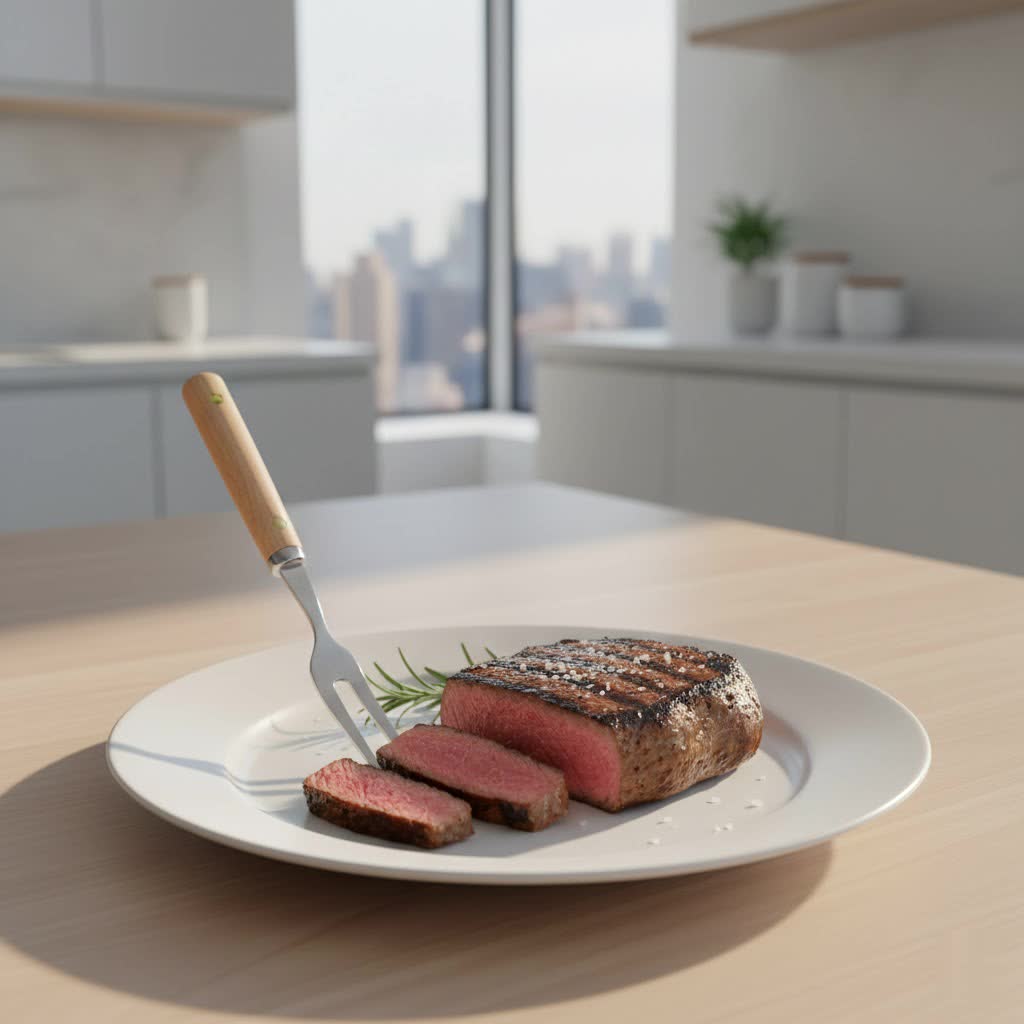
Few things elevate a meal quite like a perfectly cooked steak, and the right tools enhance the experience. However, over time, even the most cherished steak forks can lose their gleam, succumbing to dullness, tarnish, and water spots. Don’t let your once-sparkling cutlery diminish your dining pleasure. With a bit of care and the right techniques, you can restore their original brilliance and make every steak dinner feel special again.
Understanding Dullness: Why Steak Forks Lose Their Luster
Before you embark on the restoration journey, it’s helpful to understand why your beloved steak forks might have lost their shine. Several factors contribute to the dulling of metal, transforming them from gleaming implements to lackluster utensils.
The most common culprit is tarnish, a natural chemical reaction, particularly evident on silver and silver-plated items, where exposure to air and certain foods creates a dark, oxidized layer. For stainless steel, while generally more resistant, a dull appearance can stem from hard water spots, which leave mineral deposits, or minor surface scratches that scatter light rather than reflecting it. Additionally, improper washing—such as leaving food residue on forks for extended periods or using harsh detergents that strip away the protective layer—can accelerate dulling. Even everyday use and the rigors of the dishwasher can contribute to a gradual loss of luster, as the polished surface slowly wears down. Recognizing these underlying causes helps you choose the most effective restoration method for your specific steak forks.
Essential Tools and Gentle Ingredients for Restoration
Revitalizing your dull steak forks doesn’t require a professional workshop; often, the solution lies in your pantry and laundry room. Gathering the right gentle tools and common household ingredients is the first step towards restoring their former glory.
You’ll need a collection of soft cloths or microfiber towels for cleaning and buffing, ensuring you don’t introduce new scratches. A soft-bristled toothbrush can be invaluable for reaching into crevices, especially around the tines of the fork. For ingredients, stock up on baking soda, a versatile mild abrasive and tarnish remover. White vinegar is excellent for dissolving mineral deposits and light tarnish. Lemon juice, with its natural acidity, also aids in breaking down discoloration. Table salt plays a role in certain chemical reactions used for tarnish removal. Aluminum foil is crucial for a popular electrolytic cleaning method. Finally, a mild dish soap will help with initial cleaning and degreasing. With these simple items at hand, you’re well-equipped to bring the sparkle back to your steak forks.
Step-by-Step Guide to Restoring Your Steak Forks’ Shine
Bringing back the sparkle to your steak forks involves a systematic approach, starting with a good clean and progressing to targeted treatments for tarnish and dullness. Remember to identify the material of your steak forks (stainless steel or silver/silver-plated) as methods can vary slightly.
Initial Cleaning: Removing Surface Grime
|
Our Picks for the Best Steak fork in 2026
As an Amazon Associate I earn from qualifying purchases.
|
||
| Num | Product | Action |
|---|---|---|
| 1 | 2 Pcs Carving Fork for Meat – 12 Inch Stainless Steel Meat Forks for Kitchen, Heat-Resistant Non-Slip Handles – Two-Prong Straight & Curved BBQ Fork for Slicing, Grilling & Serving |

|
| 2 | Anolon SureGrip Stainless Steel Meat Fork/Kitchen Tool, 13.25 Inch, Gray,46288 |
|
| 3 | 2 Pieces Meat Fork Stainless Steel Carving Fork with Wood Handle Cooking BBQ Grill Steak Tool for Kitchen Barbecue Serving Cooking Grilling Roasting 10.5 Inches, Round Handle |
|
| 4 | 2 Pcs Carving Fork for Meat 11,8 inch - Stainless Steel Meat Fork with Heat-Resistant Handle for Grilling, Cooking, Serving - Straight and Curved Carving Utensils with Classic Two-Prong BBQ Design |
|
| 5 | SUNRISE Stainless Steel Meat Fork 10.5" Fork |
|
| 6 | Ponpon 2Pcs Meat Forks Stainless Steel Carving Fork with Wooden Handle Barbecue Fork for Cooking Kitchen (2) |
|
| 7 | Chef Craft Select Meat Cooking Fork, 13 inch, Stainless Steel |
|
| 8 | Meat Cooking Fork Stainless Steel Fork - 10.8" Metal Serving Forks for Meat Carving Heavy Duty Two Prong Meat Fork for Grill Lifting Barbecue Forks |
|
| 9 | Kilajojo Chef Pro Stainless Steel Carving Fork 12 Inch |
|
| 10 | OXO Good Grips Stainless Steel Carving Fork, One size |
|
Before any polishing can begin, your steak forks need a thorough cleaning to remove food particles, grease, and surface dirt. This ensures that any restoration treatment can directly address the metal itself.
Start by washing your steak forks in hot water with a mild, neutral dish detergent. Use a soft sponge or cloth to gently scrub away any clinging food residue. For stubborn spots or grime caught between the tines, a soft-bristled toothbrush can be particularly effective. Once cleaned, rinse each fork thoroughly under warm running water to ensure all soap and debris are removed. This initial wash provides a clean canvas for the deeper restoration work to follow, preventing dirt from being inadvertently rubbed into the metal during polishing.
Tackling Tarnish and Discoloration: Methods for Different Materials
The approach to removing tarnish and discoloration depends heavily on whether your steak forks are stainless steel or silver/silver-plated. Both materials respond well to common household remedies, but a tailored approach yields the best results.
Aluminum Foil & Baking Soda Method (Ideal for Silverware, Effective for Stainless Steel)
This widely recommended method utilizes a chemical reaction to lift tarnish, especially effective for silver and silver-plated items, and can also revitalize stainless steel. Line a large bowl or your sink with aluminum foil, shiny side up. Place your dull steak forks on the foil, ensuring each piece makes contact. Sprinkle a generous amount of baking soda over the cutlery (approximately one tablespoon per quart of water). You can also add a splash of white vinegar for an extra boost. Pour boiling hot water over the mixture until the forks are submerged. The chemical reaction between the aluminum foil, baking soda, and hot water will cause the tarnish to transfer to the foil. Let them soak for 10-15 minutes, or up to a couple of hours for heavily tarnished items. Afterward, remove the forks with tongs, rinse thoroughly, and dry.
Vinegar Soak & Paste Method (Excellent for Stainless Steel)
White vinegar is a powerful ally against hard water spots, limescale, and rust stains on stainless steel. To use this method, prepare a solution of about 8 parts hot water to 1 part distilled white vinegar in a large bowl. Submerge your stainless steel steak forks and let them soak for 5-10 minutes. For more localized tarnish or stubborn spots, you can create a paste. Mix baking soda with a small amount of white vinegar or water until it forms a thick paste. Apply this paste to the tarnished areas with a soft cloth or a soft toothbrush and gently buff. Rinse well immediately after to prevent any etching from the acid.
Lemon Juice & Salt Paste (Natural Brightener)
Lemon juice, combined with salt, offers another natural approach to removing blemishes and light tarnish. Mix a tablespoon of salt with enough lemon juice to form a paste. Apply this paste to the dull areas of your steak forks and gently rub with a soft cloth. The citric acid in the lemon juice, along with the mild abrasive quality of the salt, works to lift discoloration. Rinse thoroughly with warm water and dry immediately to reveal a brighter surface.
Toothpaste (For Delicate Silver Surfaces)
For very delicate silver or silver-plated steak forks, non-gel toothpaste can serve as a gentle polishing agent. Apply a small dab of non-gel toothpaste to a soft cloth. Gently rub the toothpaste onto the tarnished areas of the silver, being careful not to scrub too hard. The mild abrasives in toothpaste can lift light tarnish without being overly harsh. Rinse the forks thoroughly with warm water to remove all toothpaste residue and then buff dry with a clean, soft cloth.
“For stainless steel cutlery, a simple vinegar and water soak can work wonders on rust stains and fingerprints, bringing back that initial gleam without harsh chemicals.” – Valerian Colaco, Former Consultant for soil remediation, sewage treatment
The Final Polish: Buffing for Brilliance
After successfully removing tarnish and discoloration, the final step is to buff your steak forks to a brilliant, mirror-like finish. This step enhances the shine and helps protect the surface.
Once your forks are completely clean and dry from the tarnish removal process, take a clean, dry microfiber cloth. Using small, circular motions, gently buff each steak fork. This action helps to smooth out any microscopic imperfections and bring out the natural luster of the metal. For an extra shine, some experts suggest a final spray with a mixture of vinegar and water, followed by immediate buffing with a soft cloth. For stainless steel, dedicated stainless steel polish can also be applied at this stage, following the product’s instructions. This meticulous buffing is what truly transforms your forks from merely clean to dazzlingly shiny.
Common Mistakes to Avoid During Restoration
While restoring the shine to your steak forks can be a rewarding process, it’s easy to make missteps that can inadvertently damage your cutlery. Being aware of these common mistakes will help ensure a safe and successful restoration.
One of the most critical errors is using abrasive materials. Steel wool, harsh scrubbers, or aggressive polishing compounds can scratch the surface of both stainless steel and silver, creating irreversible damage and making them appear duller in the long run. Another pitfall is mixing different metal types in the same cleaning solution, especially in the aluminum foil method. This can lead to undesirable chemical reactions that might further tarnish or damage your precious cutlery. Soaking silver cutlery for too long in certain solutions can also erode the thin silver layer on silver-plated items. Furthermore, failing to rinse thoroughly after using cleaning agents leaves residues that can cause new stains or etching. Lastly, always dry your steak forks immediately and completely after washing or cleaning; air-drying often leads to unsightly water spots, negating your efforts to restore shine.
Maintaining the Sparkle: Tips for Long-Term Care
Restoring the shine to your dull steak forks is a significant accomplishment, but the key to long-lasting brilliance lies in consistent maintenance. Implementing a few simple habits can keep your cutlery looking pristine for years to come, preventing future dullness and tarnish.
Routine cleaning is paramount. After each use, wash your steak forks promptly with mild dish soap and warm water, avoiding acidic foods from sitting on the metal for too long. Always thoroughly dry your cutlery immediately after washing with a soft, clean cloth to prevent water spots and mineral buildup, which are common culprits for dullness, especially on stainless steel. When storing, consider using cutlery trays or rolls that keep individual pieces separated, preventing scratches from contact with other utensils. For silver or silver-plated forks, anti-tarnish cloths or storage bags can significantly slow down the oxidation process. Avoid using harsh, chlorine-based detergents or abrasive cleaners in the dishwasher, as these can strip finishes and accelerate dulling. By integrating these simple care practices into your routine, your steak forks will retain their restored sparkle, ready to enhance every dining occasion.
When to Consider Professional Restoration
While many household methods can effectively restore the shine to your dull steak forks, there are instances when professional intervention is the wisest course of action. Knowing when to call in the experts can prevent further damage and ensure your valuable pieces receive the specialized care they need.
Consider professional restoration if your steak forks are antique, highly valuable, or have intricate details that are difficult to clean without specialized tools. Severely tarnished silver pieces, especially those with deep pitting or corrosion that household remedies can’t address, also benefit greatly from professional expertise. If your steak forks have significant rust damage that seems to be eating into the metal, a professional restorer can assess the extent of the damage and perform specialized treatments like re-polishing or re-plating. Furthermore, if you’ve attempted various DIY methods without success, or if you’re uncertain about the metal composition or the best approach, a professional can provide an accurate assessment and a tailored restoration plan, ensuring the longevity and beauty of your cherished cutlery.
Conclusion
Bringing your dull old steak forks back to their former glory is a rewarding process that combines a bit of science with gentle care. By understanding why dullness occurs and applying the right techniques—from initial cleaning to targeted tarnish removal with baking soda, vinegar, or lemon, and finally, a meticulous buff—you can restore their sparkling brilliance. Remember to use soft materials, avoid harsh chemicals, and always dry thoroughly to maintain that renewed shine.
Your steak forks are more than just utensils; they’re part of your dining experience. Why settle for lackluster when a little effort can make them gleam like new? What cherished pieces in your kitchen are waiting for their moment to shine again?
Frequently Asked Questions
What causes stainless steel steak forks to become dull?
Stainless steel steak forks can lose their shine due to hard water spots, mineral deposits, minor surface scratches from abrasive cleaning, or residual food particles. While resistant to rust, prolonged exposure to certain chemicals or improper drying can also diminish their luster.
Can I use the same cleaning method for both stainless steel and silver-plated steak forks?
While some methods like the baking soda and aluminum foil soak can be effective for both, silver and silver-plated forks are more prone to tarnish (oxidation) and require gentler handling. Stainless steel is more robust, but still benefits from non-abrasive cleaning.
How often should I clean my steak forks to maintain their shine?
For best results, clean your steak forks after every use with mild dish soap and warm water. For deeper cleaning or tarnish removal, a monthly or quarterly treatment, depending on frequency of use and storage conditions, will help maintain their sparkle.
Is it safe to put old steak forks in the dishwasher?
While many modern stainless steel forks are dishwasher safe, older or silver-plated pieces should ideally be hand-washed. The harsh detergents and high heat in dishwashers can accelerate tarnish on silver and potentially dull the finish of stainless steel over time.
What should I do if my steak forks have rust spots?
For rust spots on stainless steel, a vinegar soak or a paste made from baking soda and water can often remove them. Gently scrub with a soft cloth or toothbrush. For severe or persistent rust, consider a product specifically designed for rust removal on metal, or professional cleaning.
How can I prevent my steak forks from tarnishing again quickly?
To prevent quick re-tarnishing, always dry your steak forks immediately and thoroughly after washing. Store silver forks in anti-tarnish bags or cloths, and ensure all cutlery is kept in a dry environment, away from humidity and certain foods that can accelerate oxidation.
Are commercial metal polishes safe for all steak forks?
Commercial metal polishes can be very effective, but always check the product label to ensure it’s suitable for your specific fork material (e.g., “for stainless steel,” “for silver”). Some polishes contain abrasives that might be too harsh for delicate finishes.