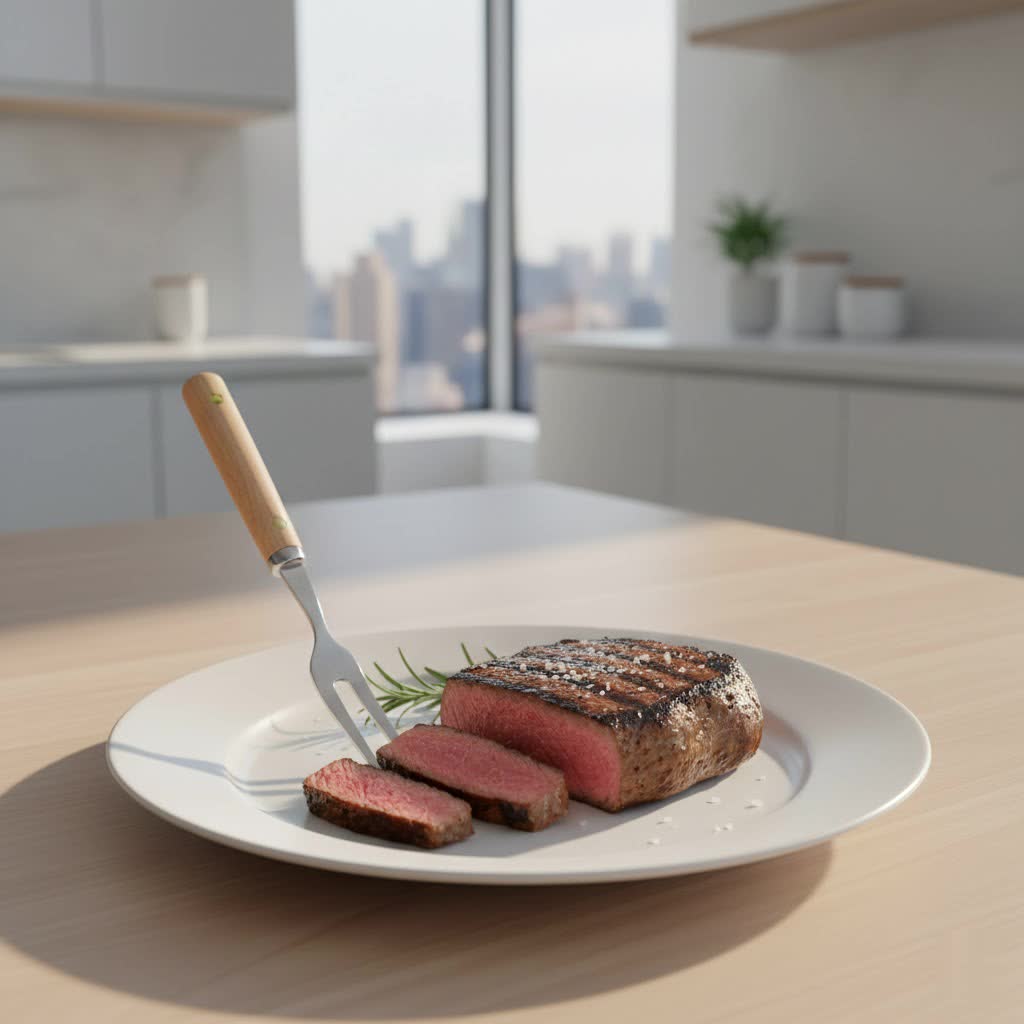
A perfectly cooked steak deserves to be enjoyed with cutlery that shines as brightly as your culinary efforts. Yet, even the most durable stainless steel steak forks can lose their gleam over time, marred by water spots, dullness, or minor residues. If your beloved steak forks are looking a little less than their best, don’t despair. This comprehensive guide will walk you through simple, effective do-it-yourself methods to bring back their brilliant shine, transforming your dining experience with polished perfection.
The Enduring Appeal of Stainless Steel Steak Forks
Stainless steel is a cornerstone of modern kitchenware, particularly for steak forks, due to its remarkable blend of strength, hygiene, and resistance to corrosion. Unlike traditional steel, stainless steel contains chromium, which forms a passive layer on its surface, protecting it from rust and staining. This inherent resistance makes it a practical choice for everyday use, enduring countless meals and wash cycles.
However, the term “stainless” doesn’t mean “stain-proof.” Over time, mineral deposits from hard water can leave unsightly spots, dish soap residue can create a dull film, and general use can diminish its original luster. Minor surface imperfections can also accumulate, making your forks appear less inviting. Understanding these factors is the first step in effectively restoring their pristine appearance.
Understanding Your Steak Forks: Material and Finish
The performance and care requirements of your steak forks can subtly vary based on their specific stainless steel composition and finish. Most high-quality flatware is made from 18/10 or 18/8 stainless steel, indicating 18% chromium and 10% or 8% nickel, respectively. The nickel content contributes to a brighter, more polished finish and enhanced corrosion resistance.
Stainless steel cutlery typically features one of several finishes:
- Mirror Polish: The most common and shiniest finish, highly reflective and prone to showing fingerprints and water spots, but also easiest to restore to a high sheen.
- Brushed or Satin Finish: Characterized by a matte, non-reflective appearance, often created by abrasive brushing. These finishes hide minor scratches better but require care when polishing to maintain their distinctive texture.
- Matte Finish: A duller, non-reflective surface that can also conceal minor imperfections but benefits from gentle cleaning to prevent buildup.
When polishing, it’s crucial to observe the “grain” of the steel. Like wood, stainless steel often has a subtle grain that runs either horizontally or vertically. Wiping along this grain helps to reach tiny grooves where dirt or grime might be trapped, ensuring a more thorough and streak-free polish.
DIY Methods for Restoring Shine to Stainless Steel Steak Forks
Bringing back the sparkle to your stainless steel steak forks doesn’t require expensive tools or harsh chemicals. Many effective solutions can be found right in your pantry.
Method 1: Vinegar Power
White vinegar is a remarkably versatile and effective natural cleaner and polish for stainless steel, especially for combating water spots and dullness.
- What you’ll need: White vinegar, a spray bottle (optional), warm water, two soft microfiber cloths, mild dish soap (optional).
- Process:
- Initial Clean: First, wash your steak forks with warm water and mild dish soap to remove any food residue. Rinse them thoroughly.
- Prepare the Solution: For light polishing, dilute white vinegar with an equal amount of warm water in a spray bottle. For heavier stains or tougher water spots, you can use undiluted vinegar.
- Apply Vinegar: Spray the diluted or undiluted vinegar liberally over each fork, or dampen a soft cloth with vinegar and wipe the surface evenly.
- Polish Along the Grain: Using a clean, soft microfiber cloth, gently rub the vinegar into the stainless steel, moving consistently along the grain of the metal. You’ll notice the spots and dullness begin to disappear.
- Rinse: Rinse the forks under running warm water to remove all vinegar residue. If you detect a lingering vinegar smell, a quick wash with dish soap and rinse can help.
- Dry Immediately: This step is crucial. Immediately dry each fork completely with a fresh, dry microfiber cloth to prevent new water spots from forming.
|
Our Picks for the Best Steak fork in 2026
As an Amazon Associate I earn from qualifying purchases.
|
||
| Num | Product | Action |
|---|---|---|
| 1 | Kilajojo Chef Pro Stainless Steel Carving Fork 12 Inch |

|
| 2 | OXO Good Grips Stainless Steel Carving Fork, One size |
|
| 3 | Ponpon 2Pcs Meat Forks Stainless Steel Carving Fork with Wooden Handle Barbecue Fork for Cooking Kitchen (2) |
|
| 4 | SUNRISE Stainless Steel Meat Fork 10.5" Fork |
|
| 5 | 2 Pieces Meat Fork Stainless Steel Carving Fork with Wood Handle Cooking BBQ Grill Steak Tool for Kitchen Barbecue Serving Cooking Grilling Roasting 10.5 Inches, Round Handle |
|
| 6 | 2 Pcs Carving Fork for Meat 11,8 inch - Stainless Steel Meat Fork with Heat-Resistant Handle for Grilling, Cooking, Serving - Straight and Curved Carving Utensils with Classic Two-Prong BBQ Design |
|
| 7 | Meat Cooking Fork Stainless Steel Fork - 10.8" Metal Serving Forks for Meat Carving Heavy Duty Two Prong Meat Fork for Grill Lifting Barbecue Forks |
|
| 8 | 2 Pcs Carving Fork for Meat – 12 Inch Stainless Steel Meat Forks for Kitchen, Heat-Resistant Non-Slip Handles – Two-Prong Straight & Curved BBQ Fork for Slicing, Grilling & Serving |
|
| 9 | Anolon SureGrip Stainless Steel Meat Fork/Kitchen Tool, 13.25 Inch, Gray,46288 |
|
| 10 | Chef Craft Select Meat Cooking Fork, 13 inch, Stainless Steel |
|
Method 2: Baking Soda Brilliance
Baking soda is a gentle abrasive that works wonders for removing stubborn stains, mild tarnish, and restoring shine without scratching the surface.
- What you’ll need: Baking soda, water, a soft cloth or sponge.
- Process:
- Create a Paste: Mix a few tablespoons of baking soda with a small amount of water to form a thick paste. The consistency should be similar to toothpaste.
- Apply Gently: Dab a small amount of the baking soda paste onto a soft cloth or non-abrasive sponge.
- Rub Along the Grain: Gently rub the paste onto the stainless steel surface, again moving along the grain. Focus on any areas with stains or dullness. The gentle abrasive action of baking soda will lift away residues.
- Rinse and Dry: Rinse the forks thoroughly under warm water to remove all traces of the baking soda paste. Immediately dry them completely with a clean, dry microfiber cloth.
Method 3: Olive Oil for a Lustrous Finish
After cleaning and polishing with vinegar or baking soda, a touch of olive oil can provide a streak-free, protective, and lustrous finish, making your forks truly gleam.
- What you’ll need: A small amount of olive oil, a clean, soft, dry microfiber cloth.
- Process:
- Ensure Cleanliness: This method should only be used on forks that have already been cleaned and thoroughly dried using one of the above methods.
- Apply a Tiny Amount: Put just one or two drops of olive oil onto a clean, dry microfiber cloth. A little goes a long way.
- Buff to a Shine: Lightly buff the surface of each fork with the oil-dampened cloth, once more following the grain. The oil will create a thin, protective layer that enhances the shine and can help repel future water spots.
- Remove Excess: Use a separate clean, dry part of the cloth to wipe away any excess oil, ensuring no greasy residue remains.
Method 4: Commercial Stainless Steel Cleaners
For those who prefer a dedicated product, numerous commercial stainless steel cleaners and polishes are available. These products are formulated to clean, shine, and often leave a protective barrier.
- What you’ll need: A specialized stainless steel cleaner/polish (check manufacturer’s instructions), a soft cloth.
- Process:
- Read Instructions: Always follow the specific instructions provided on the product label.
- Apply and Wipe: Typically, you will apply a small amount of the cleaner to a soft cloth and then wipe it onto the stainless steel surface, again moving along the grain.
- Buff Dry: Use a clean, dry section of the cloth or a separate cloth to buff the surface until it shines and no residue remains.
When choosing a commercial cleaner, be mindful of its abrasiveness. Some polishes, while effective, might be too strong for everyday use or delicate finishes. Always test on an inconspicuous area first.
Essential Tools and Materials for Polishing
Having the right tools makes the polishing process much easier and more effective:
- Soft Microfiber Cloths: Absolutely essential. Microfiber is gentle, highly absorbent, and excellent for buffing to a streak-free shine. Have several on hand.
- Spray Bottle: Ideal for applying diluted vinegar evenly and efficiently.
- White Vinegar: Your go-to natural descaler and polisher.
- Baking Soda: Great for tackling mild stains and tarnish.
- Olive Oil: For an extra layer of shine and protection.
- Mild Dish Soap: For initial cleaning and removing residues.
- Warm Water: For washing and rinsing.
Tips for Maintaining the Sparkle of Your Steak Forks
Consistent care is key to keeping your steak forks gleaming between polishing sessions.
- Immediate Cleaning: Wash your steak forks promptly after use. Food acids and residues can etch the surface if left on for too long.
- Thorough Drying is Paramount: This is arguably the most crucial step in preventing water spots. After washing, dry each fork immediately and completely with a soft, clean cloth. Air drying often leads to water marks.
- Dishwasher Care: If your forks are dishwasher safe, load them so they don’t rub against other metal items, which can cause scratches. Use a good quality rinse aid to minimize water spots. Always remove and hand-dry them as soon as the cycle finishes. Avoid mixing stainless steel with silver items in the dishwasher, as this can cause discoloration.
- Proper Storage: Store your steak forks in a way that prevents them from scratching each other. A cutlery tray with individual compartments or a soft cloth roll is ideal.
- Avoid Abrasive Materials: Never use steel wool, scouring pads, or harsh abrasive cleansers, as these can permanently scratch the stainless steel surface.
- Limit Soaking: Avoid prolonged soaking of stainless steel flatware in water, especially if it contains acidic or alkaline cleaning liquids, as this can lead to pitting or discoloration.
Troubleshooting Common Issues
Even with the best care, sometimes issues arise.
- Persistent Water Spots/Limescale: If vinegar alone isn’t cutting it, ensure you’re using undiluted vinegar and rubbing firmly along the grain. For very hard water, a quick soak in hot water with a capful of vinegar before polishing can help loosen mineral deposits.
- Minor Scratches: While polishing can improve the appearance of very light surface scuffs by enhancing the surrounding shine, DIY methods are generally not effective for removing deep scratches. Specialized scratch removal kits exist but should be used with caution, as they can alter the finish.
- Dullness/Lack of Shine: If your forks still look dull, ensure they are thoroughly clean before polishing. Residue from detergents or food can prevent a true shine. Re-clean and dry, then apply one of the polishing methods diligently, paying attention to rubbing along the grain.
Conclusion
Maintaining the brilliance of your stainless steel steak forks is a simple, rewarding task that significantly elevates your dining experience. With common household items like vinegar, baking soda, and olive oil, coupled with a bit of elbow grease and consistent care, you can effortlessly restore their original luster. By understanding the material, employing proper polishing techniques, and adhering to simple maintenance routines, your steak forks will remain a sparkling testament to your attention to detail. So, take pride in your cutlery, keep it gleaming, and enjoy every perfectly cut bite. What polishing secrets have you discovered that keep your flatware looking its best?