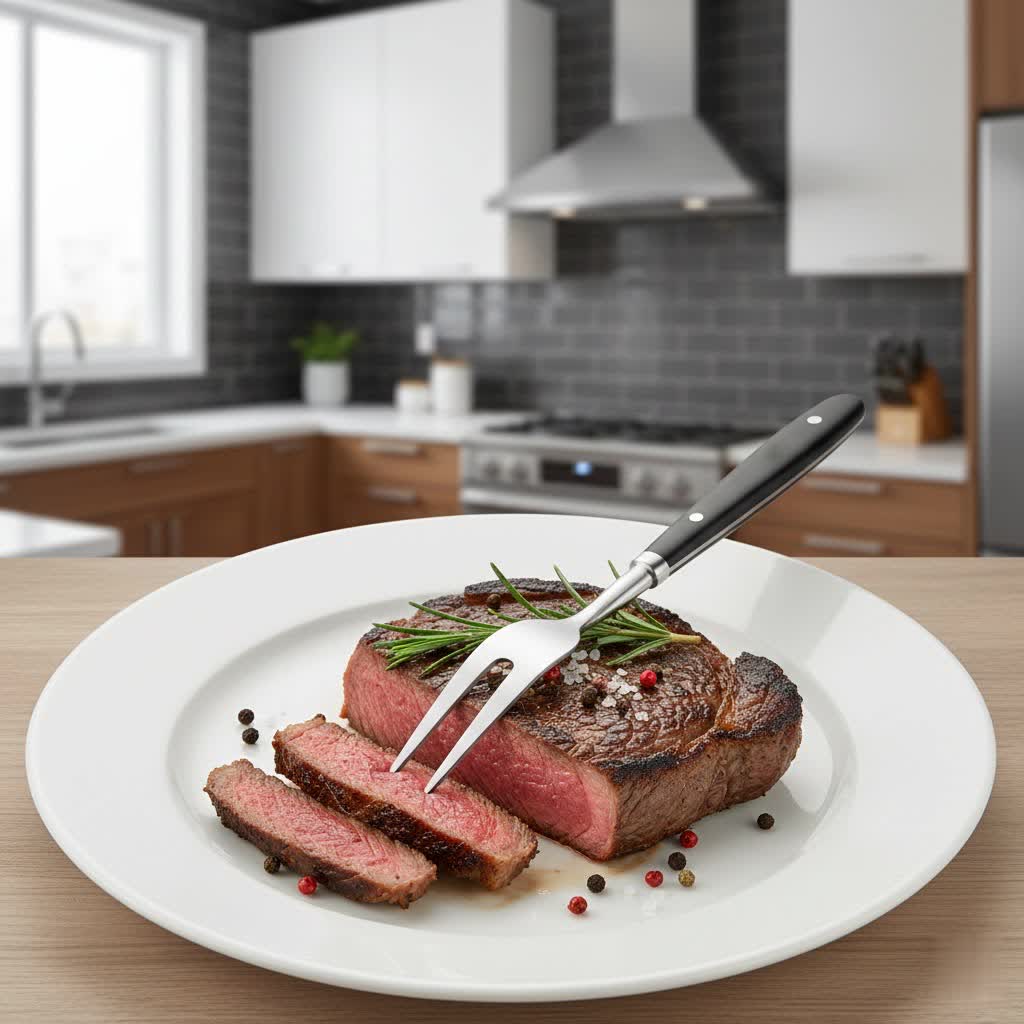
Choosing the right cutlery can profoundly impact your culinary experience, whether you’re expertly slicing a holiday roast or savoring a perfectly cooked steak. While forks are ubiquitous at the dinner table, not all are created equal. Specifically, the carving fork and the table steak fork serve distinct purposes, each meticulously designed to enhance different stages of your meal. Understanding their unique features and optimal uses is key to elevating your kitchen prep and dining pleasure, ensuring every bite is as effortless and enjoyable as possible. This guide will delve into these specialized utensils, helping you distinguish between them and select the ideal tools for your gastronomic adventures.
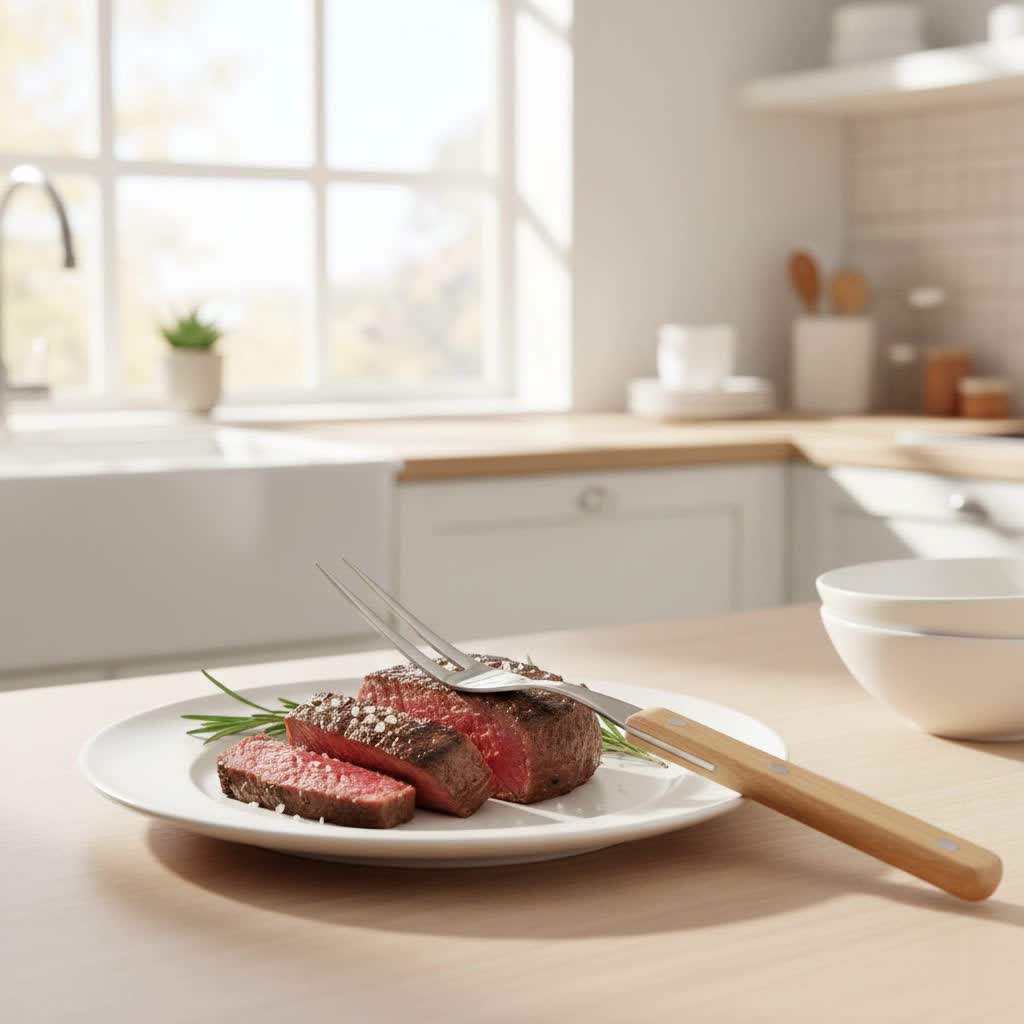
Understanding the Carving Fork: Your Meat’s Best Partner
A carving fork is a specialized kitchen tool engineered for one primary purpose: to secure large cuts of cooked meat during the carving process. Imagine trying to slice a tender turkey or a juicy prime rib without a stable anchor—it would be a messy, potentially hazardous affair. This is where the carving fork steps in, providing the stability and control necessary for precise, even cuts.
Unlike a general-purpose serving fork, which might have a broader head and more tines for scooping, a carving fork typically features two long, robust tines. These tines are designed to pierce deep into the meat, gripping it firmly to prevent slippage as you wield your carving knife. Many carving forks also incorporate a subtle guard or “kickstand” at the base of the handle, offering a protective barrier between your hand and the knife blade and providing an extra leverage point for steadiness. This thoughtful design not only ensures safety but also allows you to carve with confidence, maintaining a consistent grip even on large, unwieldy roasts.
The benefits of using a dedicated carving fork are manifold. It promotes cleaner, more uniform slices, enhancing the presentation of your culinary masterpiece. It significantly reduces the risk of accidental slips and cuts, keeping your hands safely away from the sharp edge of the knife. Furthermore, the stability it provides allows for a more controlled carving motion, leading to a more efficient process and beautifully portioned servings. For anyone who frequently prepares and serves large roasted meats, a high-quality carving fork is an indispensable kitchen companion that transforms a challenging task into a refined art.
The Table Steak Fork: Elevating Your Dining Experience
In contrast to its kitchen counterpart, the table steak fork is an individual dining utensil specifically crafted to enhance the experience of eating steak and other substantial cuts of meat directly at the table. While a standard dinner fork can get the job done, a steak fork is optimized for the unique challenges presented by a succulent, often denser piece of meat.
A typical table steak fork is characterized by its two or three sharply pointed tines. These pointed prongs are designed to effortlessly pierce and hold steak, preventing it from slipping on your plate as you cut it with a steak knife. The sharp tips allow for a clean, secure grip on individual pieces, making it easier to transfer them from plate to mouth without struggle or mess. Some premium steak forks may even feature subtly grooved surfaces on their tines, designed to better grip the meat and help retain its flavorful juices, further enhancing the dining pleasure.
The primary function of a table steak fork is to facilitate a more elegant and efficient eating experience. It ensures that each bite of steak is firmly held, allowing you to cut with precision and enjoy your meal without frustration. While a carving fork is about preparing the meal for others, the table steak fork is all about the personal enjoyment of the diner. It’s an affirmation of the culinary effort, providing a tool that respects the integrity of the steak and the comfort of the eater. For steak lovers, incorporating these specialized forks into your flatware set is a small detail that makes a significant difference, transforming an ordinary meal into an elevated dining ritual.
Carving Fork vs. Table Steak Fork: A Head-to-Head Comparison
While both carving forks and table steak forks are designed for interaction with meat, their fundamental differences in purpose, design, materials, and ergonomics make them distinct tools. Understanding these contrasts is crucial for appreciating their individual value in the culinary world.
Purpose and Application
|
Our Picks for the Best Steak fork in 2026
As an Amazon Associate I earn from qualifying purchases.
|
||
| Num | Product | Action |
|---|---|---|
| 1 | 2 Pcs Carving Fork for Meat – 12 Inch Stainless Steel Meat Forks for Kitchen, Heat-Resistant Non-Slip Handles – Two-Prong Straight & Curved BBQ Fork for Slicing, Grilling & Serving |

|
| 2 | Anolon SureGrip Stainless Steel Meat Fork/Kitchen Tool, 13.25 Inch, Gray,46288 |
|
| 3 | Kilajojo Chef Pro Stainless Steel Carving Fork 12 Inch |
|
| 4 | Ponpon 2Pcs Meat Forks Stainless Steel Carving Fork with Wooden Handle Barbecue Fork for Cooking Kitchen (2) |
|
| 5 | 2 Pcs Carving Fork for Meat 11,8 inch - Stainless Steel Meat Fork with Heat-Resistant Handle for Grilling, Cooking, Serving - Straight and Curved Carving Utensils with Classic Two-Prong BBQ Design |
|
| 6 | Meat Cooking Fork Stainless Steel Fork - 10.8" Metal Serving Forks for Meat Carving Heavy Duty Two Prong Meat Fork for Grill Lifting Barbecue Forks |
|
| 7 | SUNRISE Stainless Steel Meat Fork 10.5" Fork |
|
| 8 | 2 Pieces Meat Fork Stainless Steel Carving Fork with Wood Handle Cooking BBQ Grill Steak Tool for Kitchen Barbecue Serving Cooking Grilling Roasting 10.5 Inches, Round Handle |
|
| 9 | Chef Craft Select Meat Cooking Fork, 13 inch, Stainless Steel |
|
| 10 | OXO Good Grips Stainless Steel Carving Fork, One size |
|
The most significant distinction lies in their intended use. A carving fork is a preparation and serving tool, used primarily in the kitchen or at a buffet table alongside a carving knife. Its role is to immobilize large, hot cuts of meat—such as roast beef, ham, or turkey—on a cutting board or platter, allowing for steady and safe slicing. It is rarely, if ever, used as an individual eating utensil.
Conversely, a table steak fork is a personal dining utensil. Its application is strictly at the dinner table, where it is used in conjunction with a steak knife to manage and consume individual portions of steak or other hearty meats. It helps diners hold their meat securely while cutting and then spear and lift the pieces to eat.
Design and Structure
The design of each fork is tailored to its specific function. Carving forks typically feature:
- Tine Count: Almost universally two tines. This minimal count allows for deep penetration into dense meat without tearing it excessively, providing maximum grip with minimal disturbance to the meat’s structure.
- Tine Length: Long, often exceeding 5-6 inches, to accommodate the size of large roasts and offer ample reach.
- Sharpness: Extremely sharp and pointed to pierce tough outer layers and deep into the core of the meat.
- Overall Size: Substantially larger and heavier than a dinner fork, designed for heavy-duty kitchen tasks.
- Handle: Often robust, providing a secure, comfortable grip, sometimes with a protective guard to shield the hand from the carving knife.
Table steak forks, on the other hand, typically exhibit:
- Tine Count: Two or three tines, providing sufficient surface area to hold a cut piece of meat without being overly bulky.
- Tine Length: Shorter than carving forks, more comparable to a standard dinner fork, suitable for managing individual portions on a plate.
- Sharpness: Sharply pointed to easily spear and hold smaller, cut pieces of steak. Some may have a slightly broader, flatter profile on one tine for easier cutting assistance.
- Overall Size: Similar in size and weight to a dinner fork, designed for individual dining comfort.
- Handle: Ergonomically designed for comfortable single-hand use during a meal, often matching other flatware pieces.
Material Considerations
Both types of forks benefit from durable, food-safe materials, though emphasis may vary.
- Stainless Steel: The most common material for both, offering excellent durability, rust resistance, and ease of cleaning. High-carbon stainless steel is particularly prized for its strength.
- Plated Metals (Silver/Gold): Found more often in luxury table steak fork sets or antique carving sets, chosen for their aesthetic appeal and perceived elegance. Requires more delicate care.
- Wood: Often used for handles, especially on carving forks, for a classic look and comfortable, non-slip grip. Less common for the tines themselves due to hygiene and durability concerns. For table steak forks, wood handles are also popular, adding warmth and a rustic touch.
- Synthetic Materials: Modern carving and steak forks may feature handles made from durable polymers or composite materials, offering ergonomic shapes, vibrant colors, and easy maintenance.
Ergonomics and Handling
The handling experience differs significantly due to their distinct roles. A carving fork prioritizes stability, control, and safety during a forceful, two-handed operation (one hand on the fork, one on the knife). Its weight is distributed to firmly anchor the meat. The presence of a finger guard or bolster prevents the knife from slipping up the tines towards the hand, a crucial safety feature for handling sharp blades.
A table steak fork emphasizes comfort, balance, and precision for single-handed use during dining. It should feel lightweight yet substantial enough to manage meat, balancing well in the hand. The tines need to be sharp enough to spear meat easily but not so aggressive as to damage the plate or feel unwieldy. The handle is typically designed for a comfortable, secure grip over an extended meal.
“The carving fork is the unsung hero of the kitchen, providing the crucial stability needed to transform a large roast into elegant, uniform slices, while the table steak fork ensures that same elegance translates directly to the diner’s personal experience.” – Chef Antoine Dubois, Culinary Expert and Restaurateur
How to Choose the Perfect Fork for Your Needs
Selecting the right carving fork and table steak forks involves considering your lifestyle, aesthetic preferences, and practical needs. Each choice should enhance your culinary endeavors, whether in the kitchen or at the dining table.
Assess Your Culinary Lifestyle
Your cooking and dining habits are the primary determinants.
- Frequent Roasters and Entertainers: If you regularly prepare large cuts of meat like roasted chicken, turkey, or beef roasts for family gatherings or entertaining, a dedicated, high-quality carving fork is an invaluable investment. Look for one with robust tines and a comfortable, secure handle.
- Steak Enthusiasts: For those who frequently enjoy steaks, chops, or other robust meats at home, a set of table steak forks will significantly upgrade your dining experience. They provide superior grip and control compared to standard dinner forks, making every bite more enjoyable.
- Both: Many households benefit from having both. A carving set for special occasions and a set of steak forks for everyday steak dinners offer the best of both worlds.
Material and Durability
The material dictates both the performance and longevity of your forks.
- Stainless Steel: For both carving and table steak forks, high-grade stainless steel (e.g., 18/8 or 18/10) is the most practical choice. It offers excellent resistance to rust, corrosion, and tarnishing, is dishwasher safe (for most), and maintains its appearance over time. It’s durable enough for rigorous carving tasks and elegant enough for daily dining.
- Wood Handles: Often found on carving forks and traditional steak fork sets, wood handles offer a warm, classic aesthetic and a comfortable, often ergonomic grip. However, they require more care, typically needing hand washing and occasional oiling to prevent drying or cracking.
- Composite or Synthetic Handles: These are increasingly popular for their durability, ergonomic designs, and ease of maintenance. They are often dishwasher safe and come in a variety of colors and styles, suitable for modern kitchens and dining rooms.
Design and Comfort
Consider the specific design elements that contribute to function and user experience.
- For Carving Forks: Look for tines that are sufficiently long and sharp to penetrate and hold large meats securely. A comfortable handle with a good grip is paramount, especially when dealing with hot, slippery roasts. A protective guard or bolster near the tines is a significant safety advantage. Some carving forks have straight tines, while others are slightly curved, which can aid in turning and lifting meat.
- For Table Steak Forks: The tines should be sharp enough to easily pierce steak but not excessively long or broad, which could make them awkward to use. A comfortable, balanced handle that feels good in your hand is essential for a pleasant dining experience. Ensure the fork’s size and weight are proportionate to your other flatware for aesthetic harmony.
Aesthetic Harmony and Set Needs
Consider how the new forks will integrate with your existing cutlery.
- Matching Sets: If you’re building or expanding a flatware collection, you might want steak forks that match your existing dinner forks for a cohesive table setting.
- Carving Sets: Carving forks are often sold as part of a carving set with a matching knife. This ensures aesthetic consistency and balanced performance between the two tools.
- Individual Pieces: If you only need a single carving fork or a few steak forks, you can purchase them individually, allowing you to mix and match or select specialized designs.
Maintaining Your Forks: Tips for Longevity
Proper care and maintenance are crucial for preserving the performance, appearance, and longevity of both your carving forks and table steak forks. With a little attention, these specialized utensils can serve you well for many years.
Cleaning Instructions
The best cleaning method often depends on the material, especially the handle.
- Stainless Steel: Most stainless steel forks (both carving and steak) are dishwasher safe. However, hand washing is often recommended for preserving their shine and preventing water spots, especially for higher-quality pieces. Use warm, soapy water and a non-abrasive sponge or cloth. Rinse thoroughly and dry immediately to prevent mineral deposits and potential spotting.
- Wood Handles: Forks with wooden handles, whether carving or steak, should always be hand washed. The high heat and harsh detergents of a dishwasher can cause wood to dry, crack, or warp. Wash gently with mild soap and warm water, then dry immediately with a soft cloth. Do not soak wooden handles, as this can lead to damage.
- Plated Metals: Silver or gold-plated forks require delicate hand washing with a mild detergent and immediate drying to prevent tarnishing. Specialized silver polish may be needed periodically for silver-plated items.
Recommended and Avoided Cleaners
- Use Mild Detergents: Gentle dish soap is usually sufficient for cleaning all types of forks.
- Avoid Abrasive Cleaners: Scouring pads, steel wool, or abrasive cleaning powders can scratch the surface of metal forks and damage wooden handles.
- Steer Clear of Harsh Chemicals: Bleach or strong acidic/alkaline cleaners can discolor metals and harm handle materials.
Storage Tips
Proper storage prevents damage and keeps your forks organized and accessible.
- Carving Forks: Due to their sharp tines and often substantial size, carving forks are best stored in a carving set case, a knife block slot, or a dedicated drawer insert that protects both the fork and other utensils from being scratched. Keeping them separate also prevents accidental injury.
- Table Steak Forks: These can be stored in flatware organizers within kitchen drawers to prevent scratching against other utensils. If they are part of a special set, a lined cutlery box can protect them from tarnishing and damage.
- Dry Completely Before Storage: Always ensure forks are completely dry before storing to prevent moisture-related issues like rust or mildew, especially for wooden handles.
Following these simple care guidelines will ensure your carving forks remain sharp and effective for years of meal preparation, and your table steak forks retain their luster and performance for countless enjoyable dining experiences.
Conclusion
Both the carving fork and the table steak fork are specialized tools, each playing a vital, distinct role in the journey from kitchen to plate. The carving fork, with its long, sturdy tines, is an indispensable ally in the kitchen, offering the stability and safety required for precise slicing of large roasts. It transforms the challenging task of carving into a confident, controlled art. Conversely, the table steak fork, with its sharp, often two or three tines, is designed to elevate the individual dining experience, providing a secure grip on your steak and enhancing the pleasure of every bite.
While a standard dinner fork might suffice in a pinch, investing in these specialized utensils significantly upgrades both your culinary preparation and your dining table’s sophistication. Understanding their unique designs, optimal uses, and proper care ensures you’re always equipped with the perfect tool for the task at hand. By distinguishing between these two essential forks, you can enhance your enjoyment of meat, making every carving and every meal a more refined and pleasurable occasion.
Which fork will you prioritize first to enhance your next meat-centric meal?
Frequently Asked Questions
Can I use a regular dinner fork for steak?
While you can technically use a regular dinner fork for steak, it’s not ideal. Dinner forks typically have shorter, blunter tines designed for general food items, making it harder to securely hold and pierce a piece of steak without it slipping. A dedicated table steak fork, with its sharper, often fewer tines, provides a much more effective and enjoyable experience for eating steak.
How many tines should a good carving fork have?
A good carving fork almost universally has two long, sturdy tines. This design allows for deep penetration into large cuts of meat, providing maximum stability and control during the carving process while minimizing damage to the meat’s structure. The two tines are highly effective for anchoring even the largest roasts.
What’s the best way to clean wooden fork handles?
Wooden fork handles should always be hand washed with mild soap and warm water, then immediately dried with a soft cloth. Avoid soaking them or putting them in the dishwasher, as high heat and prolonged moisture can cause the wood to dry out, crack, or warp. Occasional oiling with food-grade mineral oil can help maintain the wood’s condition.