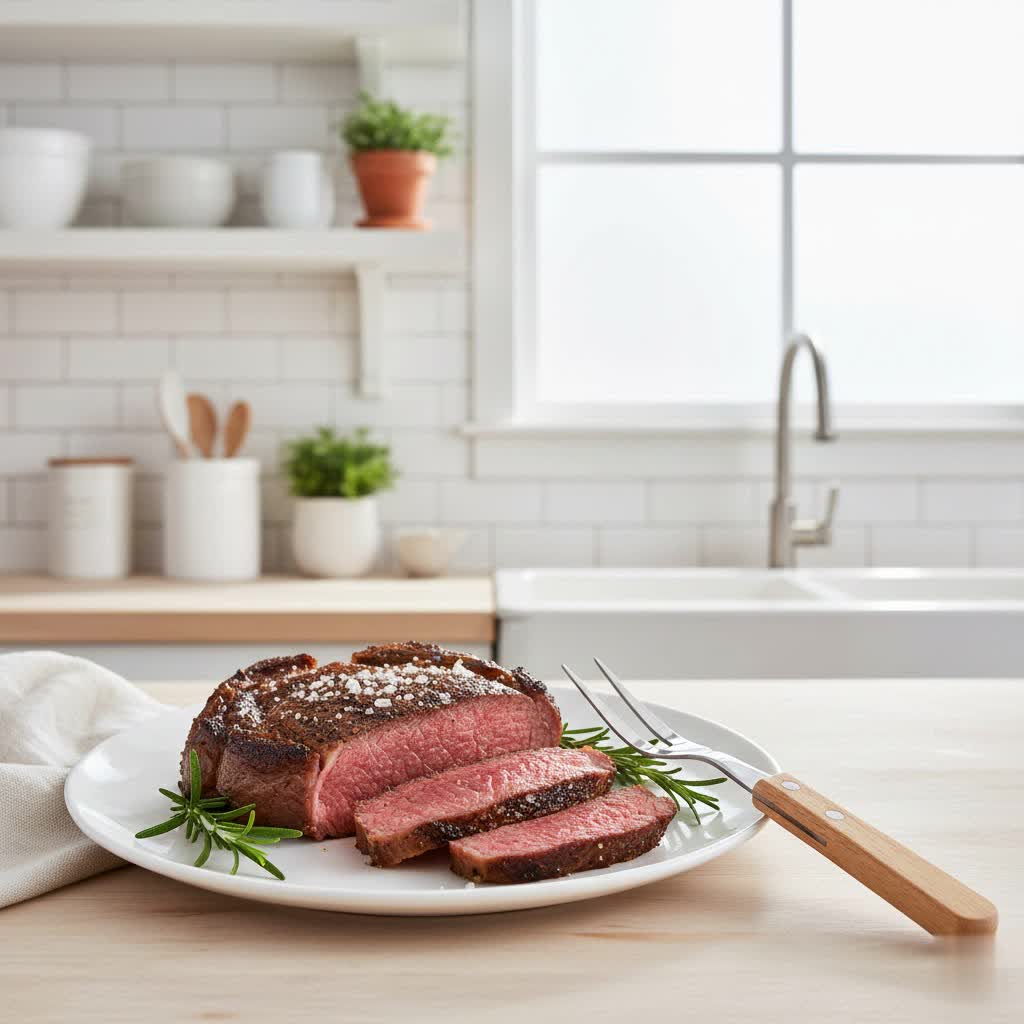
There’s an undeniable satisfaction in slicing into a perfectly cooked steak. But have you ever considered how the right tools, especially the humble steak fork, can transform this simple act into an elevated culinary experience? Far beyond mere utensils, proper steak forks and their placement on your table are crucial for both function and etiquette, signaling attention to detail and respect for your guests. This comprehensive guide will walk you through everything you need to know about selecting, placing, and caring for the ideal steak fork to enhance any steak meal, from a casual weeknight dinner to a formal gathering.
What is a Steak Fork? Why Do You Need One?
A steak fork, fundamentally, is a utensil designed to accompany a steak knife, providing the necessary leverage and stability to hold a cut of meat firmly while it is being sliced. While not as specialized as its sharp-edged counterpart, the steak knife, a dedicated steak fork (or a robust dinner fork serving this purpose) is typically sturdier and often has slightly thicker or more pointed tines than a standard salad or dessert fork. This design helps secure tougher cuts of meat more effectively, preventing slippage and ensuring a cleaner cut.
The primary purpose of a steak fork is to optimize your dining experience. Unlike lighter forks used for pasta or delicate pastries, a steak fork is built to withstand the rigors of cutting and consuming hearty meats. Using a specialized, or appropriately chosen, fork prevents bending tines and ensures a stable grip, making the act of eating steak more enjoyable and less cumbersome. It also contributes to proper table manners, as a well-set table demonstrates thoughtfulness and care for your guests’ comfort.
Types of Steak Forks (and Complementary Knives) on the Market
While specialized “steak forks” are less common than steak knives, the principles of material and design that apply to high-quality flatware for steak meals are universal. Often, a sturdy dinner fork is perfectly adequate when paired with a sharp steak knife.
By Material:
- Stainless Steel Steak Forks: This is by far the most popular choice due to its durability, resistance to rust and corrosion, and ease of maintenance. Stainless steel comes in various grades (e.g., 18/10, 18/8, 18/0), indicating the percentage of chromium and nickel, with higher nickel content offering better shine and corrosion resistance.
- Pros: Extremely durable, dishwasher safe, affordable, wide range of designs.
- Cons: Can sometimes feel less luxurious than other materials.
- Durability: Excellent, lasting for many years with proper care.
- Price: Generally accessible, from budget-friendly sets to premium designer pieces.
- Plated Steak Forks (Silver/Gold): These forks feature a base metal (often stainless steel) coated with a layer of silver or gold. They offer an elegant, luxurious aesthetic.
- Pros: High aesthetic appeal, ideal for formal settings, classic look.
- Cons: Requires more delicate care, prone to tarnishing (silver), plating can wear off over time, higher cost.
- Durability: Plating can be fragile; the base metal dictates structural integrity.
- Price: Significantly higher than stainless steel, particularly for genuine plating.
- Wood-Handled Steak Forks: While the tines are typically metal, some steak forks (and commonly, steak knives) feature wooden handles, offering a rustic or warm aesthetic.
- Pros: Comfortable grip, unique and natural appearance, adds warmth to the table.
- Cons: Requires hand washing, wood can warp or crack if not cared for properly, susceptible to water damage.
- Durability: Metal tines are durable, but wooden handles require specific maintenance.
- Price: Varies widely depending on the wood type and craftsmanship.
|
Our Picks for the Best Steak fork in 2026
As an Amazon Associate I earn from qualifying purchases.
|
||
| Num | Product | Action |
|---|---|---|
| 1 | SUNRISE Stainless Steel Meat Fork 10.5" Fork |

|
| 2 | Kilajojo Chef Pro Stainless Steel Carving Fork 12 Inch |
|
| 3 | Meat Cooking Fork Stainless Steel Fork - 10.8" Metal Serving Forks for Meat Carving Heavy Duty Two Prong Meat Fork for Grill Lifting Barbecue Forks |
|
| 4 | OXO Good Grips Stainless Steel Carving Fork, One size |
|
| 5 | Chef Craft Select Meat Cooking Fork, 13 inch, Stainless Steel |
|
| 6 | Ponpon 2Pcs Meat Forks Stainless Steel Carving Fork with Wooden Handle Barbecue Fork for Cooking Kitchen (2) |
|
| 7 | 2 Pcs Carving Fork for Meat 11,8 inch - Stainless Steel Meat Fork with Heat-Resistant Handle for Grilling, Cooking, Serving - Straight and Curved Carving Utensils with Classic Two-Prong BBQ Design |
|
| 8 | Anolon SureGrip Stainless Steel Meat Fork/Kitchen Tool, 13.25 Inch, Gray,46288 |
|
| 9 | 2 Pieces Meat Fork Stainless Steel Carving Fork with Wood Handle Cooking BBQ Grill Steak Tool for Kitchen Barbecue Serving Cooking Grilling Roasting 10.5 Inches, Round Handle |
|
| 10 | 2 Pcs Carving Fork for Meat – 12 Inch Stainless Steel Meat Forks for Kitchen, Heat-Resistant Non-Slip Handles – Two-Prong Straight & Curved BBQ Fork for Slicing, Grilling & Serving |
|
By Design:
- Steak Forks with Standard Tines: Most dinner forks, and by extension steak forks, feature four tines. The tines might be slightly thicker or more pointed than those on a salad fork to better pierce and hold meat.
- Pros: Versatile for various foods, traditional aesthetic, easy to clean.
- Cons: Less specific for very tough cuts compared to a serrated knife.
- Steak Knives with Serrated vs. Non-Serrated Edges (Complementary Design): While this primarily applies to steak knives, it’s critical to consider for the pair. Serrated knives saw through meat, while non-serrated (straight-edge) knives offer a cleaner, smoother cut, assuming they are very sharp. The fork’s role is to stabilize the meat for either.
- Serrated Knives: Excellent for cutting without frequent sharpening, but can tear meat.
- Non-Serrated Knives: Provide a clean cut, but require regular sharpening to maintain effectiveness.
- Long-Handled Steak Forks: Offer a more ergonomic grip and can be more comfortable for extended dining.
- Pros: Enhanced comfort, good balance, often perceived as more elegant.
- Cons: May take up more space, can feel unwieldy for smaller hands.
- Short-Handled Steak Forks: More compact and suitable for certain table settings or travel sets.
- Pros: Space-saving, convenient for casual use.
- Cons: May offer less leverage, less formal appearance.
Comparing Top Steak Fork Sets for Your Table
Choosing the “best” steak fork set often comes down to balancing quality, aesthetics, and budget, especially since many sets are sold as steak knife and fork duos or as part of a larger flatware collection. While direct comparisons of specific “steak fork” brands are rare, here’s a general guide based on common characteristics of high-quality flatware suitable for steak.
| Brand (Example) | Model/Series | Material | Design | Pros | Cons | Price Point (per set) | Overall Rating |
|---|---|---|---|---|---|---|---|
| Wüsthof | Classic Steak Set | High-Carbon Steel | Sturdy, often wood handle | Exceptional durability, sharp knives, good balance, refined look | High price, wood handles need careful washing | $$$ | Premium choice for performance and elegance |
| Zwilling J.A. Henckels | Twin Master | Stainless Steel | Ergonomic, sleek | Durable, comfortable grip, good weight, modern aesthetic | Can be heavier than some alternatives | $$ | Reliable, well-balanced choice for everyday luxury |
| Oneida | Michelangelo | 18/10 Stainless Steel | Traditional, ornate | Excellent rust resistance, classic design, widely available | May not suit minimalist decor | $$ | Elegant and functional for classic table settings |
| Cuisinart | Classic Steak Set | Stainless Steel | Simple, practical | Affordable, sturdy, dishwasher safe, good for everyday use | Less luxurious feel compared to high-end brands | $ | Great value, practical for family meals and casual dining |
| Laguiole (Style) | Traditional Steak Fork | Stainless Steel, Wood/Acrylic | Distinctive, iconic bee | Unique artisan look, often includes matching knife, conversation starter | Hand wash only for some, varying quality among manufacturers | $$-$$$ | Stylish and charming, adds character to any steak dinner |
“The true measure of a steak fork isn’t just its material, but how it feels in your hand – its balance, the comfort of its grip, and its ability to securely hold a cut without fuss.” – Admin, reviewlk.com, Expert in Cutlery and Tableware
Your Guide to Choosing the Perfect Steak Fork
Selecting the right steak fork enhances your dining pleasure and complements your table setting. Consider these factors to make an informed choice.
Identify Your Dining Needs:
- Frequency of Use: Do you regularly enjoy steak at home, or is it a rare treat? For frequent use, prioritize durability and ease of cleaning.
- Type of Steak: Do you prefer tender cuts like filet mignon, or tougher cuts like flank or skirt steak? A more robust fork might be beneficial for harder-to-manage meats.
- Occasion and Style: Are you hosting formal dinner parties or casual backyard barbecues? Your choice should align with the formality and aesthetic of your table setting, whether modern, classic, or rustic.
Material Matters:
- Safety and Hygiene: Always opt for food-grade materials that are non-reactive and rust-resistant. Stainless steel is the industry standard for hygiene and longevity.
- Durability and Maintenance: Consider how much effort you’re willing to put into care. Stainless steel is generally dishwasher-safe and low maintenance, while plated or wood-handled options might require hand washing and special care to preserve their finish.
Design and Comfort:
- Aesthetics: The fork should visually appeal to you and harmonize with your existing dinnerware and the overall theme of your dining area. Consider finishes like polished, brushed, or matte.
- Ergonomics and Balance: A good steak fork should feel comfortable and balanced in your hand. Test the grip; it shouldn’t feel too light or too heavy, and the handle should allow for a secure hold without strain.
- Tine Strength: Look for forks with sturdy tines that won’t bend easily when piercing firmer meats.
Value User Reviews:
- Research Online: Read reviews and ratings on e-commerce sites, culinary forums, and specialized review blogs. Pay attention to comments regarding durability, comfort, and how well the fork performs with steak.
- Seek Recommendations: Ask friends, family, or professional chefs for their recommendations based on personal experience. Their insights can provide valuable real-world perspectives beyond product descriptions.
Care and Maintenance for Your Steak Forks
Proper cleaning and storage are essential to maintain the quality, appearance, and longevity of your steak forks.
- Immediate Cleaning: After each use, wash your steak forks promptly. Food acids, especially from meat, can stain or corrode metal if left for too long.
- Washing Methods:
- Dishwasher Safe: Most stainless steel forks are dishwasher safe. Place them in the cutlery basket with handles facing down to ensure thorough cleaning.
- Hand Washing: For wood-handled, plated, or particularly delicate forks, hand washing is recommended. Use warm, soapy water and a soft sponge or cloth. Avoid abrasive scrubbers that can scratch the finish.
- Detergents: Use mild dish soap. Harsh chemicals or acidic cleaners can damage the metal or plating. For stainless steel, a non-chlorine-based detergent is best to prevent pitting.
- Drying: Always dry your forks thoroughly immediately after washing, whether by hand or dishwasher. Water spots and mineral deposits can leave marks, and moisture can lead to rust, especially in less resistant stainless steel grades or on wooden handles.
- Storage: Store steak forks in a dry environment. A cutlery tray in a drawer protects them from scratches and prevents moisture buildup. For plated forks, consider anti-tarnish storage bags or cloths.
- Polishing (for plated forks): Silver-plated forks may require occasional polishing with a silver-specific cleaning cloth or polish to remove tarnish and restore shine.
Conclusion
Mastering the art of setting a table with proper steak forks is about more than just etiquette; it’s about crafting an immersive and enjoyable dining experience. By understanding the characteristics of quality flatware, from resilient stainless steel to thoughtfully designed handles, you empower yourself to choose tools that truly enhance the pleasure of a steak meal. Remember, the perfect steak fork is one that feels right in your hand, holds your cut securely, and complements the ambiance you wish to create. Invest in quality, care for your utensils, and watch as every steak dinner transforms into a distinguished occasion.
What aspects of table setting do you find most challenging when hosting a dinner party?
Frequently Asked Questions
What is the difference between a steak fork and a regular dinner fork?
While often a sturdy dinner fork serves as a steak fork, a dedicated steak fork might feature slightly thicker tines or a more robust construction to better hold meat during cutting, providing enhanced stability and leverage for tougher cuts. The primary distinction is often more pronounced with the complementary steak knife.
On which side of the plate should the steak fork be placed?
In a standard Western table setting, the steak fork (or dinner fork used for steak) is always placed to the left of the dinner plate. Utensils are generally arranged from the outside in, according to the order of courses, with forks always on the left.
Should steak forks match my steak knives?
While not strictly necessary, having steak forks that match or complement your steak knives creates a cohesive and elegant table setting. Many quality brands offer steak knife and fork sets designed to be used together, ensuring both aesthetic harmony and functional balance.
How do I properly hold a steak fork?
For the American style, you cut your meat with the knife in your dominant hand and the fork in your non-dominant hand, then switch the fork to your dominant hand to eat. In Continental style, the fork remains in your non-dominant hand (tines down) while you eat, with the knife in your dominant hand.
Can I put my steak forks in the dishwasher?
Most stainless steel steak forks are dishwasher safe. However, always check the manufacturer’s instructions, especially for forks with special finishes, plating, or wooden handles, as these often require hand washing to prevent damage and preserve their appearance.
Is it necessary to have serrated steak forks?
Serrated edges are almost exclusively found on steak knives, not forks. A steak fork typically has standard, pointed tines designed to pierce and hold the meat, while the knife performs the cutting action. The focus for a fork is on strength and stability, not cutting.