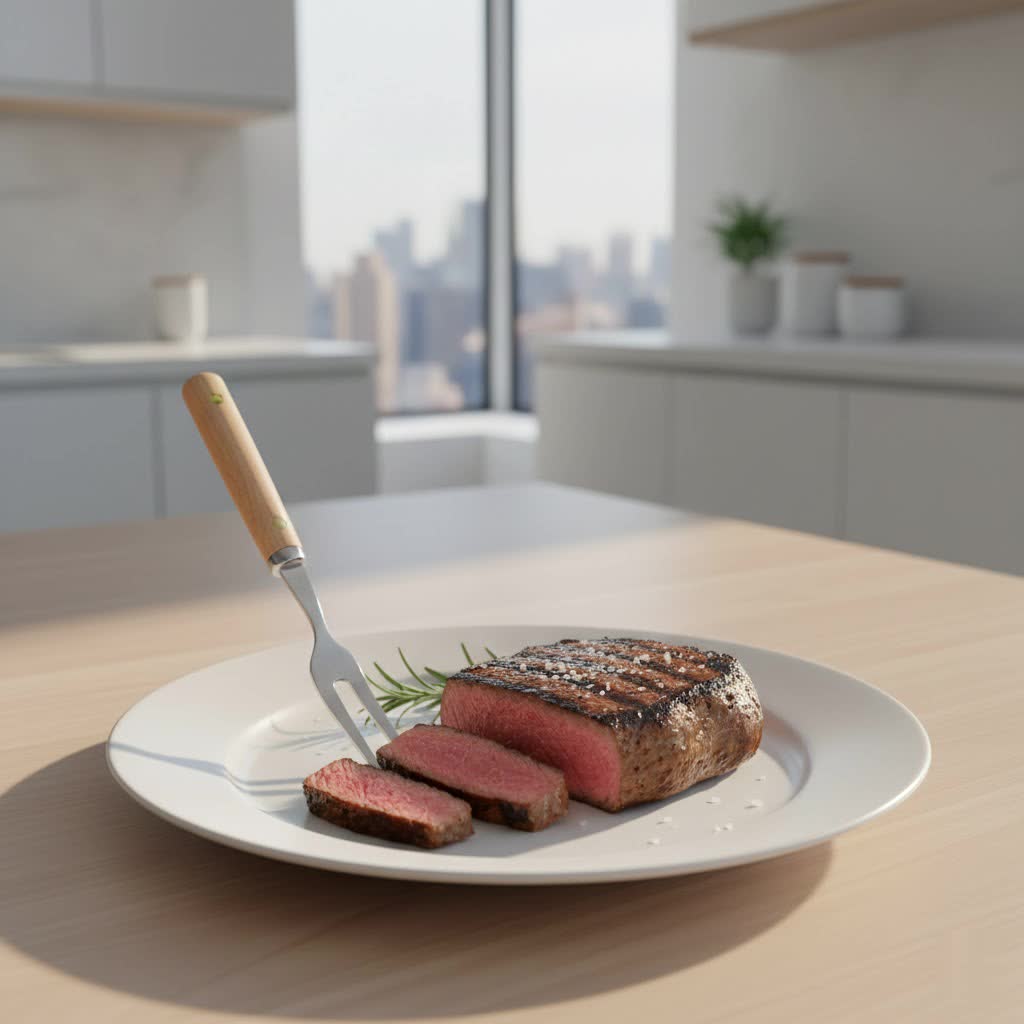
Mastering the art of carving a perfectly cooked roast or turkey requires precision, control, and the right tools. For home cooks and culinary professionals alike, a high-quality carving fork is indispensable. It secures the meat, allowing for clean, even slices that elevate your dining experience. In this comprehensive review, we delve into the Mercer Culinary Genesis Carving Fork Pro, examining its design, performance, and overall value to help you decide if it’s the perfect addition to your kitchen arsenal.
What is a Carving Fork? Why Do You Need One?
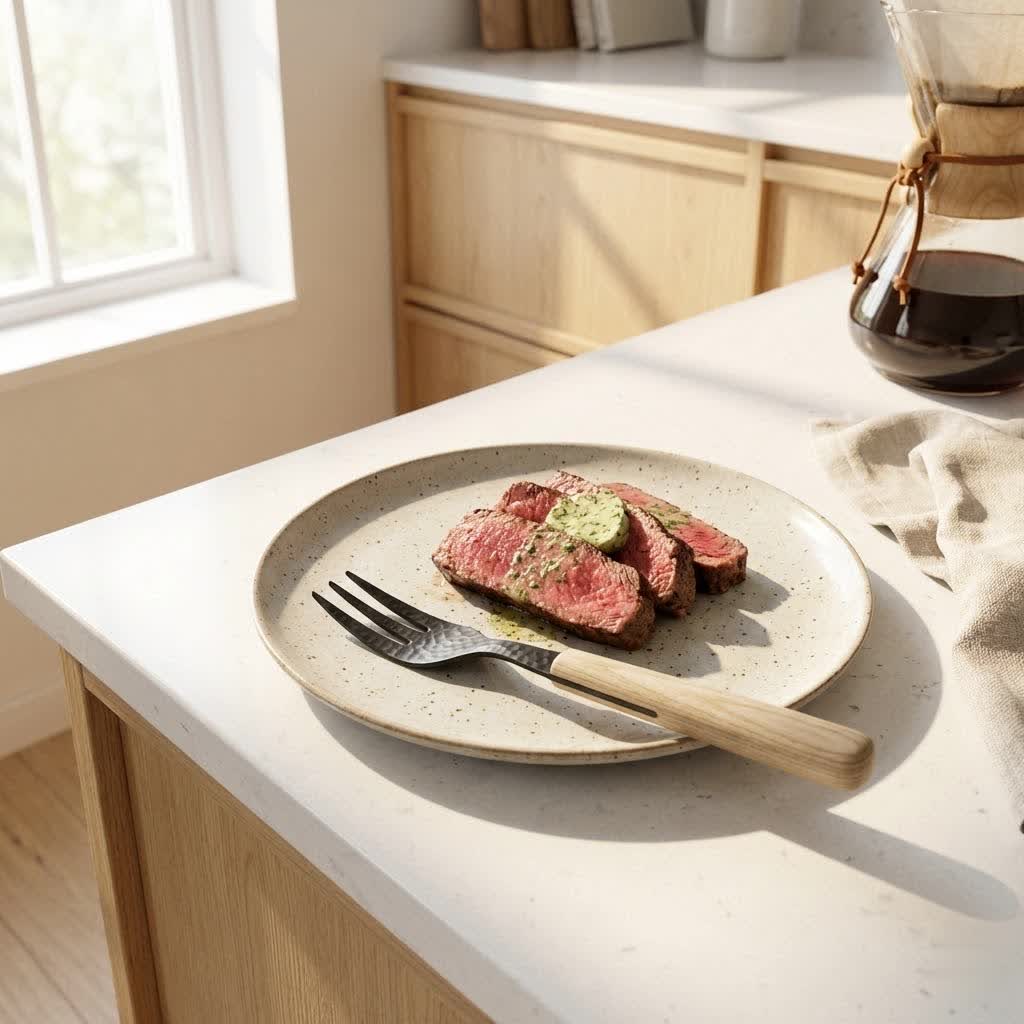
A carving fork is a specialized kitchen utensil designed to hold large cuts of meat firmly in place while you carve them. Typically featuring two long, sharp tines, it provides the necessary stability to prevent meat from shifting, ensuring safety and precision during slicing. This contrasts sharply with regular dining forks, which are too small and lack the robust construction and tine length required to manage hefty roasts, briskets, or poultry.
The primary benefit of using a dedicated carving fork lies in its ability to enhance control and safety. Without it, you risk uneven cuts, or worse, accidental slips that could lead to injury. A good carving fork pierces the meat securely without tearing it, offering a steady anchor point as your carving knife glides through. This not only results in beautifully uniform slices but also maximizes the yield from your roast by allowing you to carve closer to the bone and minimize waste. For anyone serious about presentation and efficiency in the kitchen, a carving fork is an essential tool that transforms a potentially messy task into a refined culinary art.
The Mercer Culinary Genesis Carving Fork Pro: An In-Depth Look
The Mercer Culinary Genesis Carving Fork Pro stands out in the crowded market of kitchen cutlery due to its thoughtful design and robust construction. It embodies a blend of traditional craftsmanship and modern material science, tailored for both the enthusiastic home cook and the demanding professional chef.
Material and Construction: Built to Last
Table is empty.The foundation of any superior carving fork lies in its materials, and the Mercer Culinary Genesis does not disappoint. It is fully forged from high-carbon, no-stain German steel, a material renowned for its exceptional durability, edge retention, and resistance to corrosion, rust, and discoloration. This one-piece, precision-forged construction ensures superior strength and a balanced feel, critical for sustained comfort and control during extended carving sessions. The tines themselves are taper-ground with a fine stone finish, providing lasting sharpness and an elegant aesthetic.
“The use of high-carbon German steel, combined with a full-tang design, provides an outstanding balance of strength and flexibility, making it a reliable tool for any carving task.”
Handle Design: Comfort Meets Control
One of the most praised features of the Genesis series is its revolutionary handle. Crafted from Santoprene™, a high-performance thermoplastic elastomer, the handle is ergonomically designed to offer superior comfort and a non-slip grip. This soft-to-the-touch material provides a secure hold, even when your hands are wet or greasy from handling meats or oils. Unlike traditional handles that can degrade over time, Santoprene™ resists the corrosive effects of kitchen oils and can withstand both hot and cold temperatures, ensuring its longevity and consistent performance. The full-tang construction extends through the entire length of the handle, further contributing to the fork’s stability and overall balance.
Tine Design: Precision and Versatility
The Mercer Culinary Genesis Carving Fork typically features two robust prongs that are slightly curved. This specific design is highly effective for securely holding large cuts of meat, allowing you to steady a roast, turkey, or ham with confidence. The sharp, taper-ground tips easily pierce the meat without tearing, while the curved shape assists in turning and lifting pieces, making the transfer from carving board to serving platter seamless. The ample spacing between the tines ensures excellent stability, preventing unwanted rotation of the meat while slicing.
So, How Does the Mercer Culinary Genesis Carving Fork Pro Perform?
In practice, the Mercer Culinary Genesis Carving Fork Pro consistently delivers. Its robust construction and ergonomic design translate into a carving experience that is both safe and efficient.
When holding a prime rib or a Thanksgiving turkey, the fork’s full-tang design and thick bolster provide exceptional balance, making the entire setup feel like a natural extension of your hand. The non-slip Santoprene handle ensures a firm grip, even when dealing with greasy surfaces, which is a common challenge when carving hot meats. This secure grip significantly reduces the risk of slippage, a critical safety feature.
The taper-ground, sharp tines penetrate meat effortlessly and hold it with an unwavering grip, allowing your carving knife to glide cleanly through slices without encountering resistance from a wobbly roast. Whether you’re cutting thin, delicate slices of beef or tackling the more intricate angles of poultry, the fork provides the steadfast support needed for precise and uniform results. The slight curve in the tines also aids in effortlessly flipping and transferring carved pieces, contributing to a smooth and professional serving process. This fork is NSF-certified, highlighting its adherence to strict public health and safety standards, making it suitable for even the most rigorous professional kitchens.
Choosing the Right Carving Fork: What to Consider
Selecting the perfect carving fork involves more than just picking the first one you see. It requires careful consideration of several factors to match your specific needs and ensure a lifetime of reliable service.
Determine Your Usage Needs
Before anything else, reflect on how often you’ll use the carving fork and for what types of meats. Do you frequently host large dinner parties involving whole roasts and poultry, or is it an occasional tool for holiday meals? The size and weight of the meats you typically carve will influence the ideal length and robustness of the fork. Consider the style of your dining table as well; a modern kitchen might prefer sleek stainless steel, while a rustic setting could lean towards designs with a more classic aesthetic.
Prioritize Quality Materials
The longevity and performance of your carving fork largely depend on its materials. Always opt for forks made from high-carbon stainless steel (like German steel) for the tines. This material offers superior sharpness, corrosion resistance, and durability, ensuring the tines remain strong and unyielding over time. For the handle, materials like Santoprene are excellent choices due to their ergonomic properties, non-slip grip, and resistance to kitchen oils and temperature variations. Avoid flimsy construction or materials prone to rust or degradation.
Focus on Ergonomics and Design
The fork’s design impacts your comfort and control. Look for a full-tang construction, where the metal extends throughout the entire handle, providing optimal balance and strength. An ergonomic handle that fits comfortably in your hand, even when wet, is crucial for safety and reducing fatigue during longer carving tasks. Tines that are appropriately long and sharp will secure the meat effectively without tearing, and a slight curve can be beneficial for turning and serving slices. A thick bolster (the collar between the handle and the tines) adds to the balance and provides a natural finger guard.
Consult User Reviews and Expert Opinions
Before making a final decision, delve into what other users and culinary experts are saying. Online reviews on e-commerce sites, culinary forums, and professional chef blogs can provide invaluable real-world insights into a carving fork’s performance, durability, and any potential drawbacks. Pay attention to comments regarding comfort, ease of cleaning, and how well it holds up to regular use. While personal experience is paramount, collective feedback can highlight common strengths and weaknesses, helping you make an informed choice.
Tips for Cleaning and Maintaining Your Carving Fork
Proper care and maintenance are crucial for preserving the sharpness, appearance, and longevity of your Mercer Culinary Genesis Carving Fork. While the high-carbon German steel and Santoprene handle are designed for durability, a few simple practices will ensure it remains a pristine tool in your kitchen for years to come.
After each use, hand wash your carving fork with warm, soapy water. Although many modern carving forks, including the Mercer Genesis, are often labeled “dishwasher safe,” frequent exposure to harsh dishwasher detergents and high heat can dull the tines over time and potentially affect the handle’s finish. Gently scrub the tines with a soft brush to remove any residual food particles, paying attention to the areas where the tines meet the bolster.
For cleaning agents, use mild dish soap. Avoid abrasive cleaners, scouring pads, or steel wool, as these can scratch the stainless steel finish and compromise its “no-stain” properties. Immediately after washing, thoroughly dry the carving fork with a clean towel. Allowing it to air dry can lead to water spots or, in rare cases, even minor surface rust if left unattended for extended periods. Store your carving fork in a knife block, a dedicated drawer organizer, or with a blade guard to protect the sharp tines and prevent accidental damage or injury. Regular cleaning and careful storage will ensure your Mercer Culinary Genesis Carving Fork remains a trusted companion for all your carving needs.
Conclusion
The Mercer Culinary Genesis Carving Fork Pro is an exceptional tool that brings together high-quality materials, ergonomic design, and superior performance. Its fully forged, high-carbon German steel tines provide unwavering stability and precision, while the comfortable, non-slip Santoprene handle ensures safety and ease of use. Whether you’re a seasoned chef or an aspiring home cook, this carving fork is designed to make carving large cuts of meat a more confident and enjoyable experience, delivering consistently beautiful results. Investing in such a well-crafted utensil not only elevates your culinary presentation but also makes the entire process of preparing and serving grand meals a true pleasure. Are you ready to elevate your carving game with a tool built for professionals?
Frequently Asked Questions
What makes German steel ideal for carving forks?
German steel, particularly high-carbon no-stain varieties, is prized for its exceptional balance of hardness, durability, and resistance to corrosion. This allows the tines of the carving fork to be forged to a sharp, long-lasting point while remaining flexible enough to withstand the stresses of holding large cuts of meat without bending or breaking.
Can the Mercer Culinary Genesis Carving Fork be sharpened?
While carving forks don’t have a cutting edge in the same way knives do, their tines can become dull over time. The Mercer Culinary Genesis’s taper-ground tines mean they can be maintained with a honing steel or a fine grit sharpening stone to keep their piercing tips effective.
Is the Santoprene handle durable?
Yes, the Santoprene handle is highly durable. It’s a thermoplastic elastomer specifically chosen for its resistance to kitchen oils, high and low temperatures, and general wear and tear. This ensures the non-slip grip and comfortable feel last for the lifetime of the fork.
How does a carving fork differ from a meat fork?
While often used interchangeably, “carving fork” typically refers to a more robust, often longer-tined fork specifically designed to secure large roasts during carving. A “meat fork” can be a broader term, sometimes referring to smaller forks used for serving or turning smaller pieces of meat. The Genesis carving fork is specifically designed for the demanding task of holding large cuts.
What is the advantage of a full-tang design in a carving fork?
A full-tang design means the steel of the tines extends fully through the entire length of the handle. This construction provides superior strength, balance, and durability, preventing the handle from loosening or breaking over time, especially when applying pressure to hold heavy meats.