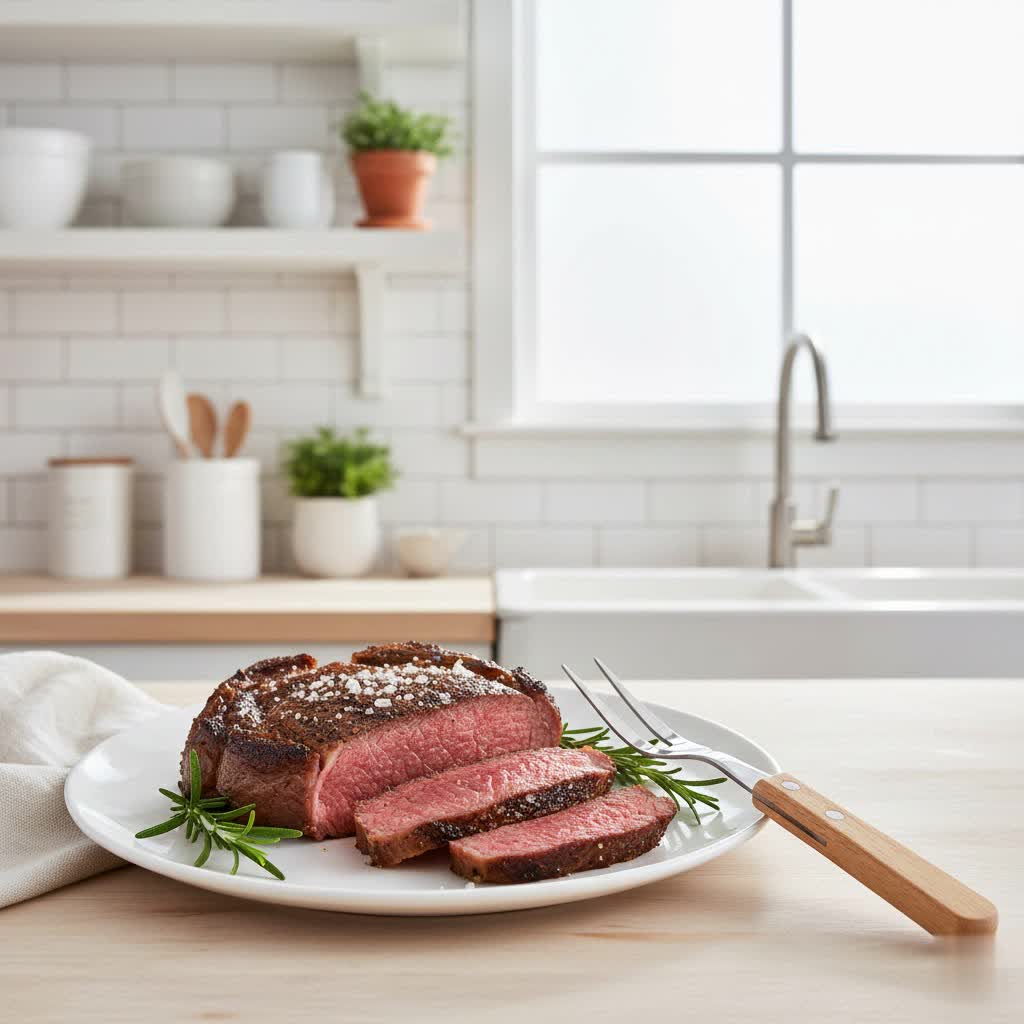
Imagine a perfect steak, cooked to your liking, resting on your plate. To truly elevate this culinary experience, the right tools are indispensable. Laguiole steak forks, renowned for their exquisite craftsmanship and elegant design, are more than just utensils; they are a statement of taste and tradition. However, the convenience of modern life often tempts us to simplify their care. If you own these beautiful pieces, understanding why hand washing is not just a recommendation but a necessity is key to preserving their unique charm and longevity.
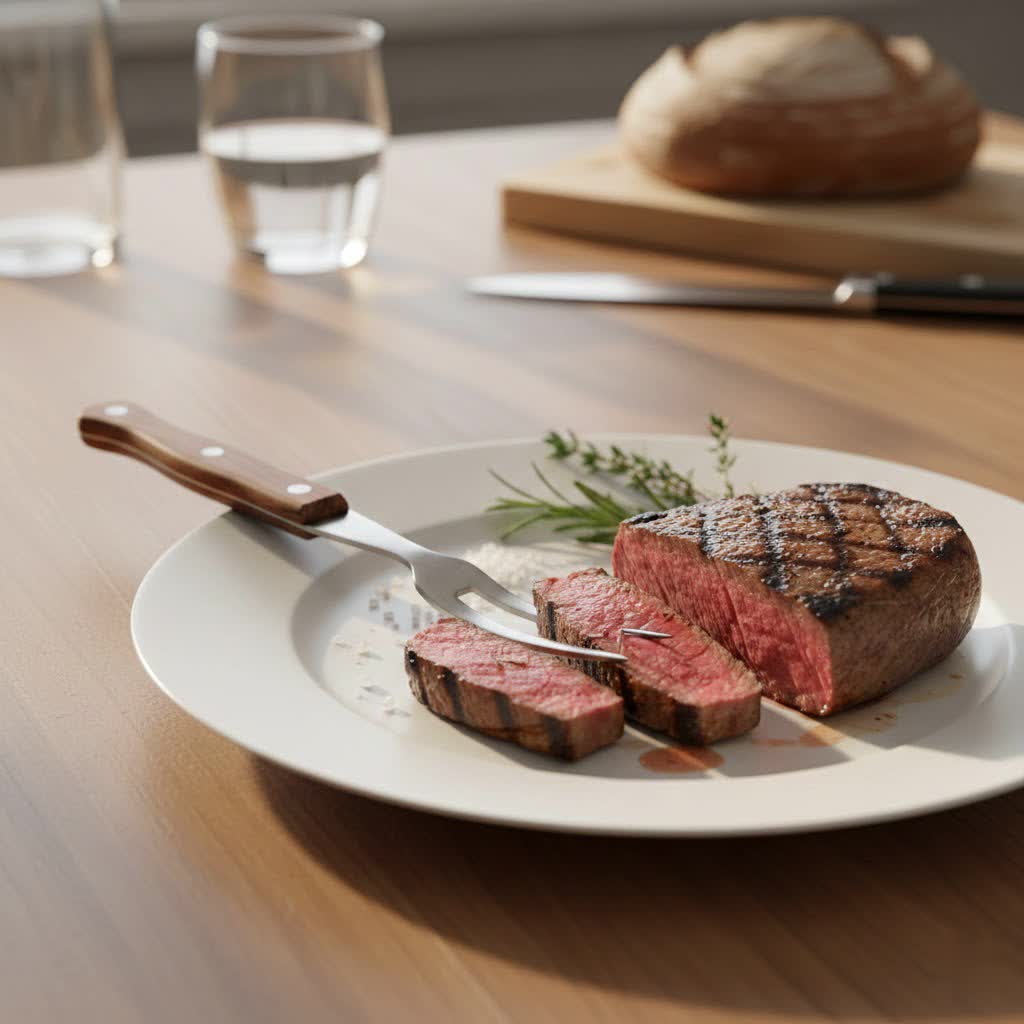
What is a Steak Fork? Why You Need One?
A steak fork is specifically designed to complement the experience of eating steak. Unlike standard dinner forks, which are typically lighter and have shorter, less robust tines, a quality steak fork is built for purpose. It features longer, stronger, and often sharper tines that allow for a firm grip on cuts of meat, preventing slipping and tearing. This design ensures you can effortlessly pierce and hold your steak, allowing for a cleaner cut with your knife and a more refined dining experience. Investing in specialized steak forks elevates your meal, reflecting an appreciation for both food and fine cutlery.
The Craftsmanship Behind Laguiole Steak Forks
Laguiole cutlery is celebrated worldwide for its distinctive design, superior quality, and a rich history rooted in French artisan traditions. Each piece, from the iconic bee emblem to the meticulously crafted handles, embodies a legacy of skilled workmanship. These forks are often made with high-grade stainless steel for the tines, ensuring durability and performance, while the handles showcase a variety of exquisite materials. It’s the unique combination of these materials and the artisanal approach that makes Laguiole steak forks so special and demands a particular kind of care.
The Perils of the Dishwasher: Why It’s a No-Go for Laguiole Steak Forks
While the dishwasher offers undeniable convenience, it poses significant threats to the integrity and beauty of your Laguiole steak forks. The harsh environment within a dishwasher can irreversibly damage these finely crafted utensils, diminishing their appearance and shortening their lifespan.
Damage to Natural Handles
The most significant risk to Laguiole steak forks in a dishwasher concerns their handles, especially those made from natural materials like wood, horn, or bone. These organic substances are highly susceptible to the extreme conditions found in a dishwashing cycle:
- High Heat: Intense temperatures can cause natural handles to dry out, crack, warp, or even split. Wood can lose its natural oils, becoming brittle and discolored, while horn can become dull and prone to flaking.
- Prolonged Moisture: Extended exposure to hot, circulating water causes natural materials to swell and can loosen the handle from the metal tang, leading to structural instability and potential breakage.
- Loss of Luster: The natural sheen and unique patterns of these handles can fade, becoming dull and lifeless, losing the distinctive aesthetic that makes Laguiole so desirable.
|
Our Picks for the Best Steak fork in 2026
As an Amazon Associate I earn from qualifying purchases.
|
||
| Num | Product | Action |
|---|---|---|
| 1 | 2 Pcs Carving Fork for Meat – 12 Inch Stainless Steel Meat Forks for Kitchen, Heat-Resistant Non-Slip Handles – Two-Prong Straight & Curved BBQ Fork for Slicing, Grilling & Serving |

|
| 2 | Ponpon 2Pcs Meat Forks Stainless Steel Carving Fork with Wooden Handle Barbecue Fork for Cooking Kitchen (2) |
|
| 3 | Meat Cooking Fork Stainless Steel Fork - 10.8" Metal Serving Forks for Meat Carving Heavy Duty Two Prong Meat Fork for Grill Lifting Barbecue Forks |
|
| 4 | OXO Good Grips Stainless Steel Carving Fork, One size |
|
| 5 | Anolon SureGrip Stainless Steel Meat Fork/Kitchen Tool, 13.25 Inch, Gray,46288 |
|
| 6 | SUNRISE Stainless Steel Meat Fork 10.5" Fork |
|
| 7 | Kilajojo Chef Pro Stainless Steel Carving Fork 12 Inch |
|
| 8 | 2 Pieces Meat Fork Stainless Steel Carving Fork with Wood Handle Cooking BBQ Grill Steak Tool for Kitchen Barbecue Serving Cooking Grilling Roasting 10.5 Inches, Round Handle |
|
| 9 | Chef Craft Select Meat Cooking Fork, 13 inch, Stainless Steel |
|
| 10 | 2 Pcs Carving Fork for Meat 11,8 inch - Stainless Steel Meat Fork with Heat-Resistant Handle for Grilling, Cooking, Serving - Straight and Curved Carving Utensils with Classic Two-Prong BBQ Design |
|
Aggressive Detergents and Chemical Corrosion
Dishwasher detergents are formulated to be highly effective at removing tough food residues, often containing powerful chemicals, abrasives, and bleaching agents. While efficient on many items, these harsh substances are detrimental to Laguiole cutlery:
- Stripping Finishes: The chemicals can strip away any protective coatings or natural oils on both the handles and the stainless steel tines, leading to a dull finish and increased susceptibility to damage.
- Pitting and Staining: Strong detergents, particularly those in “all-in-one” tablets, can be corrosive, causing pitting, discoloration, and unsightly rust spots on the high-carbon stainless steel tines, especially if they remain in contact for extended periods or if rinsing is incomplete.
- Galvanic Corrosion: When different metals (like your Laguiole forks and other cheap cutlery) are washed together, an electrochemical reaction can occur, leading to unsightly corrosion and rust transfer onto your valuable pieces.
Blade Integrity and Tine Retention
Even the robust stainless steel tines of your steak forks are not entirely immune to dishwasher damage:
- Dulling and Damage: The force of water jets and the friction against other items in the dishwasher can dull the fork’s tines or even bend them over time, compromising their performance and aesthetic appeal.
- Weakened Joints: Repeated cycles of heating, cooling, and chemical exposure can weaken the epoxy or rivets securing the handles to the metal parts, leading to loose handles.
Risk of Physical Damage
Inside a crowded dishwasher, forks can clang against other dishes, glasses, and silverware. This constant impact can lead to scratches, dents, and chips on both the handles and the metal components, marring their pristine finish.
Hand Washing: The Gentle Art of Preservation
The effort of hand washing your Laguiole steak forks is a small investment of time that yields significant returns in preservation and enjoyment. It’s an act of respect for their craftsmanship and a guarantee of their enduring beauty.
Immediate Rinse, Gentle Clean
The best practice begins right after use. Rinse your steak forks immediately under warm, running water to remove any food residue, especially acidic sauces or salty marinades, which can be corrosive if left to sit. Then, gently wash them using a soft sponge or cloth and a mild, neutral dish soap. Avoid abrasive scrubbers, harsh chemicals, or bleach, which can scratch the finish or damage the materials. The key is gentle, swift cleaning.
Thorough Drying is Non-Negotiable
After washing, immediate and thorough drying is paramount. Do not allow your Laguiole steak forks to air dry, as this can lead to water spots, streaks, or even rust, particularly on the stainless steel tines. Use a soft, lint-free cloth to meticulously dry each fork, ensuring no moisture remains, especially around the handle-tine junction. This step is crucial for preventing water damage and maintaining the pristine appearance of your cutlery.
Special Care for Handles
Different handle materials require specific attention:
- Wood and Horn Handles: These natural beauties should never be soaked in water. If the handle gets wet during cleaning, dry it immediately and completely. For wooden handles, periodically apply a small amount of food-grade mineral oil or a specialized wood balm with a soft cloth. This nourishes the wood, preventing it from drying out, cracking, and restoring its natural sheen.
- Synthetic Handles (Acrylic, ABS): While some Laguiole pieces with synthetic handles may be marked as “dishwasher safe,” hand washing is still often recommended to preserve their vibrant color and glossy finish. If you must use a dishwasher for these, opt for a gentle, low-temperature cycle with mild detergent, and always dry them immediately afterward.
Comparison: Dishwasher-Safe vs. Hand-Wash Only Laguiole Forks
Understanding the differences in care requirements based on handle material is crucial when selecting or maintaining your Laguiole steak forks.
| Feature | Hand-Wash Only Laguiole Forks (e.g., Wood, Horn, Bone) | Dishwasher-Safe Laguiole Forks (e.g., Acrylic, ABS, Stainless Steel Monobloc) |
|---|---|---|
| Handle Material | Natural (various woods, bovine horn, bone, deer antler) | Synthetic (acrylic, ABS, compressed fabric, Paperstone) or entirely stainless steel (monobloc) |
| Durability | Extremely durable if hand washed and cared for properly; susceptible to dishwasher damage. | Generally durable in dishwasher, but finishes can dull over time with harsh detergents/high heat. |
| Aesthetics | Unique, natural variations, develops a beautiful patina; high-end, traditional feel. | Consistent color and finish; modern appearance; often vibrant hues. |
| Maintenance Effort | Requires careful hand washing, immediate drying, and occasional oiling for natural handles. | Can withstand dishwasher cycles, but hand washing is still recommended for optimal preservation. |
| Longevity | With proper hand care, can last for generations, maintaining original beauty. | Good longevity with careful dishwasher use, but may show wear sooner than hand-washed natural handles. |
| Cost | Often higher due to natural materials and intricate craftsmanship. | Varies, can be more accessible, but also high-end options exist. |
Tips for Extending the Life of Your Laguiole Steak Forks
Beyond daily cleaning, a few simple practices can significantly extend the life and maintain the beauty of your Laguiole steak forks:
- Proper Storage: Store your forks in a dedicated cutlery drawer, a wooden box, or a knife block to prevent them from clanging against other utensils. This reduces the risk of scratches and damage to both the tines and handles.
- Avoid Prolonged Exposure: Never leave your Laguiole forks soaking in water or exposed to acidic foods for extended periods. Even stainless steel can develop stains or rust under such conditions.
- Temperature Stability: For natural handles, avoid abrupt changes in temperature or humidity, which can contribute to cracking or warping.
- Handle Moisturizing: For wooden handles, make oiling a regular ritual. A small amount of mineral oil applied with a soft cloth can restore their luster and keep the wood supple.
“The beauty of Laguiole cutlery lies not just in its initial design, but in how it ages gracefully with proper care. Hand washing is an act of preserving history.”
Conclusion
Your Laguiole steak forks are an investment in quality and a testament to timeless craftsmanship. While the allure of convenience is strong, the dishwasher is truly an enemy to these exceptional pieces, particularly those with natural handles. By embracing the simple, thoughtful practice of hand washing and meticulous drying, you protect them from damage, preserve their exquisite beauty, and ensure they remain a cherished part of your dining experiences for generations to come.
Isn’t it worth a few extra moments to safeguard such enduring elegance?
Frequently Asked Questions
Can I put any Laguiole cutlery in the dishwasher?
Generally, no. While some Laguiole pieces with synthetic handles (like acrylic or ABS) might be labeled “dishwasher safe,” it’s usually best to hand wash all Laguiole cutlery to prevent damage and preserve its beauty, especially those with natural handles like wood or horn.
What happens if I put wooden-handled Laguiole forks in the dishwasher?
Dishwashers’ high heat, harsh detergents, and prolonged water exposure can cause wooden handles to dry out, crack, warp, fade, and even detach from the metal. It can also strip natural oils, making the wood brittle and dull.
How often should I oil my Laguiole fork handles?
For wooden handles, it’s recommended to oil them periodically, perhaps every few months or when they start to look dry. Use a food-grade mineral oil or a specialized wood balm to nourish the wood and maintain its luster.
What kind of soap should I use for hand washing Laguiole forks?
Always use a mild, neutral dish soap and a soft sponge or cloth. Avoid abrasive cleaners, scouring pads, strong detergents, or harsh chemicals like bleach, as these can scratch surfaces or corrode the materials.
How do I remove rust spots from Laguiole stainless steel?
If minor rust spots appear (often due to prolonged moisture or harsh chemicals), gently clean them with a non-abrasive stainless steel cleaner and a soft cloth. Ensure immediate and thorough drying afterward to prevent recurrence.